Bathroom design has evolved in a way few other spaces in the home have. What used to be a strictly functional room is now one of the most thoughtfully designed areas of the house. Homeowners today expect more. They want comfort, efficiency, and a space that feels calm at the start and end of the day.
Because of that shift, primary bathroom layout ideas have taken center stage in remodeling projects. It’s no longer enough to choose attractive finishes or high-end fixtures. The layout itself determines how well the space works, how it feels, and how long it will remain functional as your needs change.
A well-designed layout can make a modest bathroom feel spacious or turn a large bathroom into a true retreat. It influences how you move through the room, how easily two people can share the space, and how organized everything stays over time.
If you’re planning a remodeling or building a new home, understanding these layout trends will help you make smarter decisions from the beginning. Here are ten ideas shaping modern primary bathroom layouts and how they can work in your home.
1. Open-Concept Layouts That Feel Bigger and More Connected
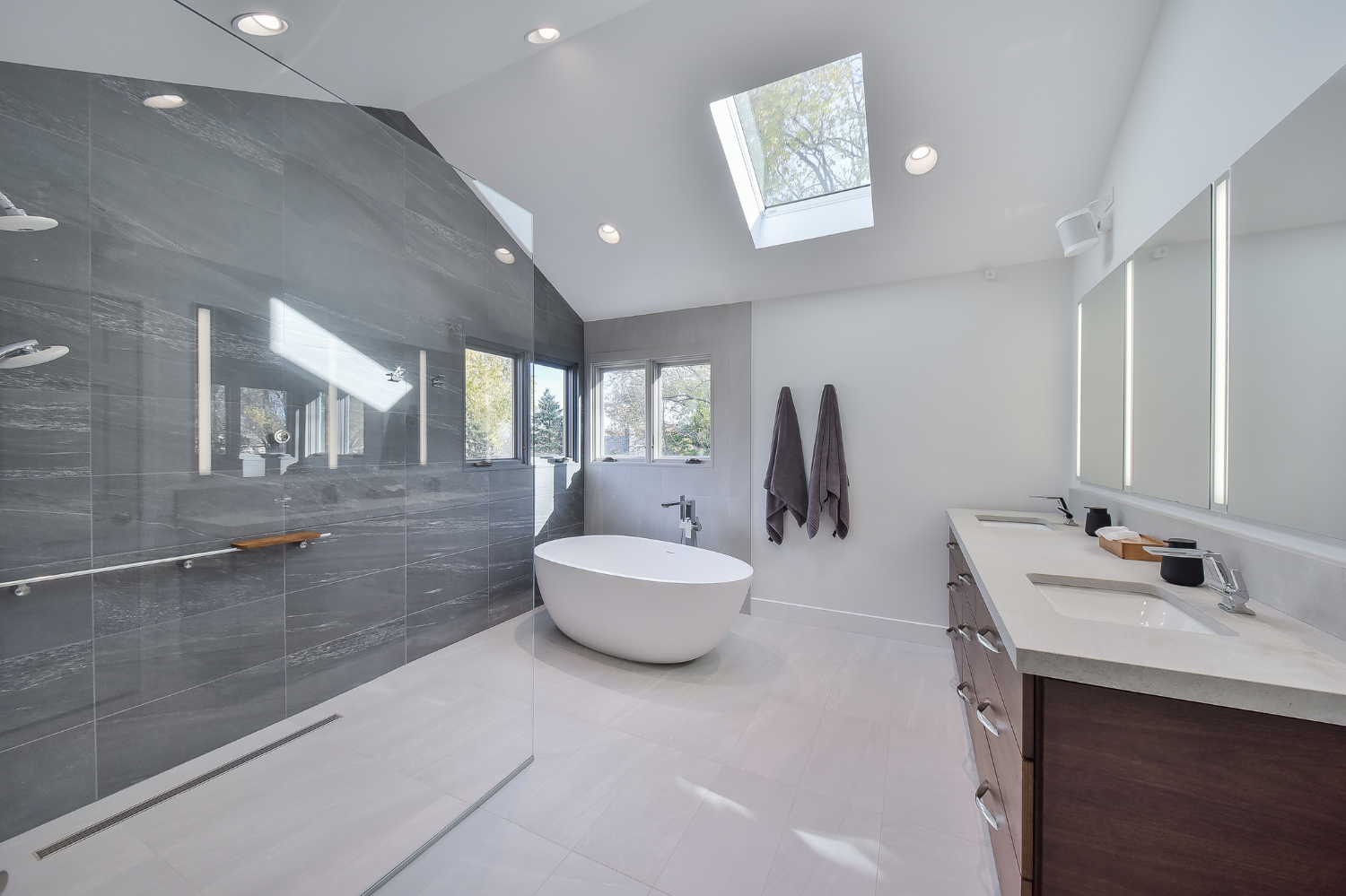
One of the most noticeable shifts in primary bathroom layout ideas is the move toward open-concept design. Traditional bathrooms often relied on compartmentalization, with each fixture separated by walls or bulky enclosures. While that approach served a purpose, it often made the space feel smaller and more restrictive.
Modern layouts aim to remove those visual and physical barriers. Frameless glass showers, floating vanities, and continuous flooring all help create a more connected environment. Instead of dividing the room, the design allows the entire space to work together.
This doesn’t just improve aesthetics. It also enhances functionality. Without tight corners or unnecessary walls, movement becomes more natural. You can transition easily from one area to another without feeling confined.
Open layouts also allow natural light to travel further into the space. Even in bathrooms without large windows, this approach helps maximize brightness and creates a more welcoming atmosphere.
2. Wet Room Designs That Maximize Space and Simplicity
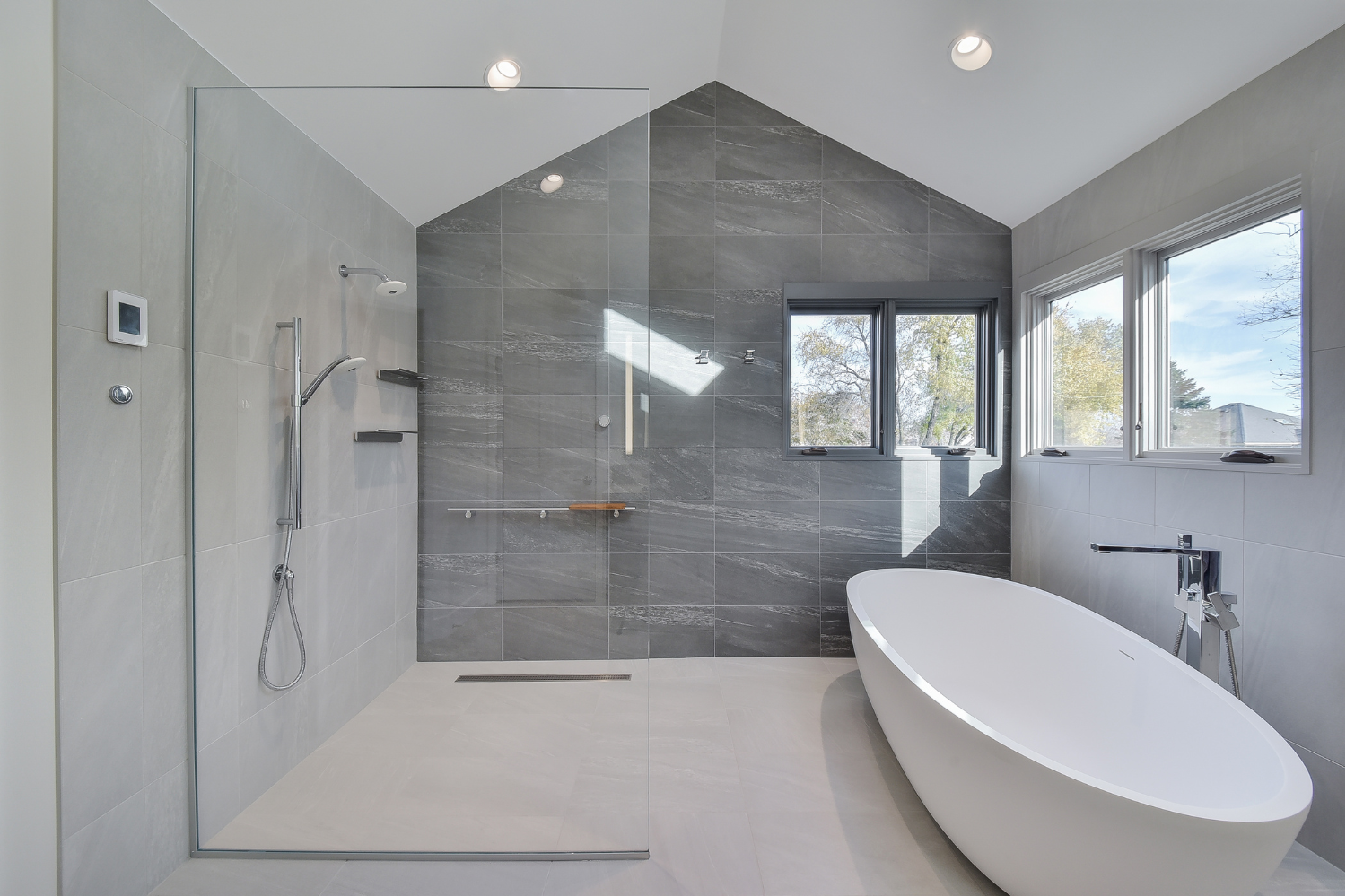
Wet rooms are gaining popularity for homeowners who want a clean, modern look with a touch of luxury. This layout removes the traditional separation between the shower and the rest of the bathroom, creating a fully waterproof environment.
In many cases, the shower and bathtub are combined into one open area. A freestanding tub may sit within the shower zone, surrounded by continuous tile and subtle drainage systems. The result is a space that feels cohesive rather than segmented.
One of the biggest advantages of a wet room is efficiency. Without the need for bulky enclosures or raised thresholds, the layout becomes more streamlined. This can be especially helpful in smaller bathrooms, where every inch matters.
At the same time, wet rooms work beautifully in larger spaces as well. They create a spa-like atmosphere that feels intentional and uncluttered. With the right materials and proper waterproofing, this layout offers both style and practicality.
3. Zoned Layouts That Support Daily Routines
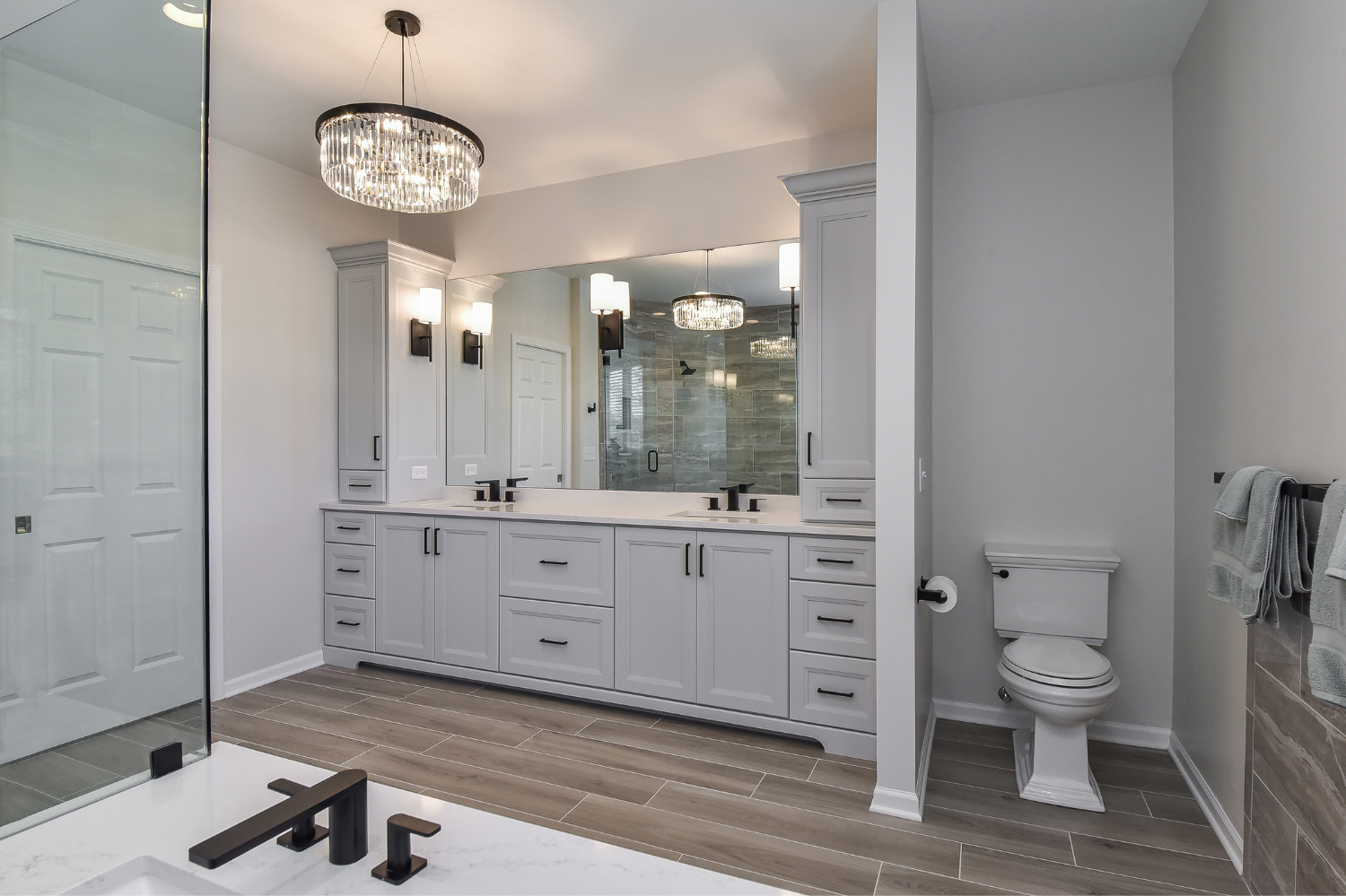
Even with open designs, organization still matters. That’s where zoning comes in. One of the most effective primary bathroom layout ideas is to divide the space into functional zones while maintaining an overall sense of openness.
Zoning allows different activities to happen simultaneously without conflict. For example, one person can use the vanity while another uses the shower, without interfering with each other’s space.
A well-zoned bathroom typically includes a grooming area, a bathing area, and a private toilet space. These zones don’t need to be fully enclosed. Subtle design elements, such as partial walls, changes in flooring, or strategic placement of fixtures, can define each area.
This approach is especially valuable in shared bathrooms. It reduces congestion during busy mornings and creates a smoother, more efficient flow throughout the day.
4. Double Vanities That Prioritize Comfort and Space
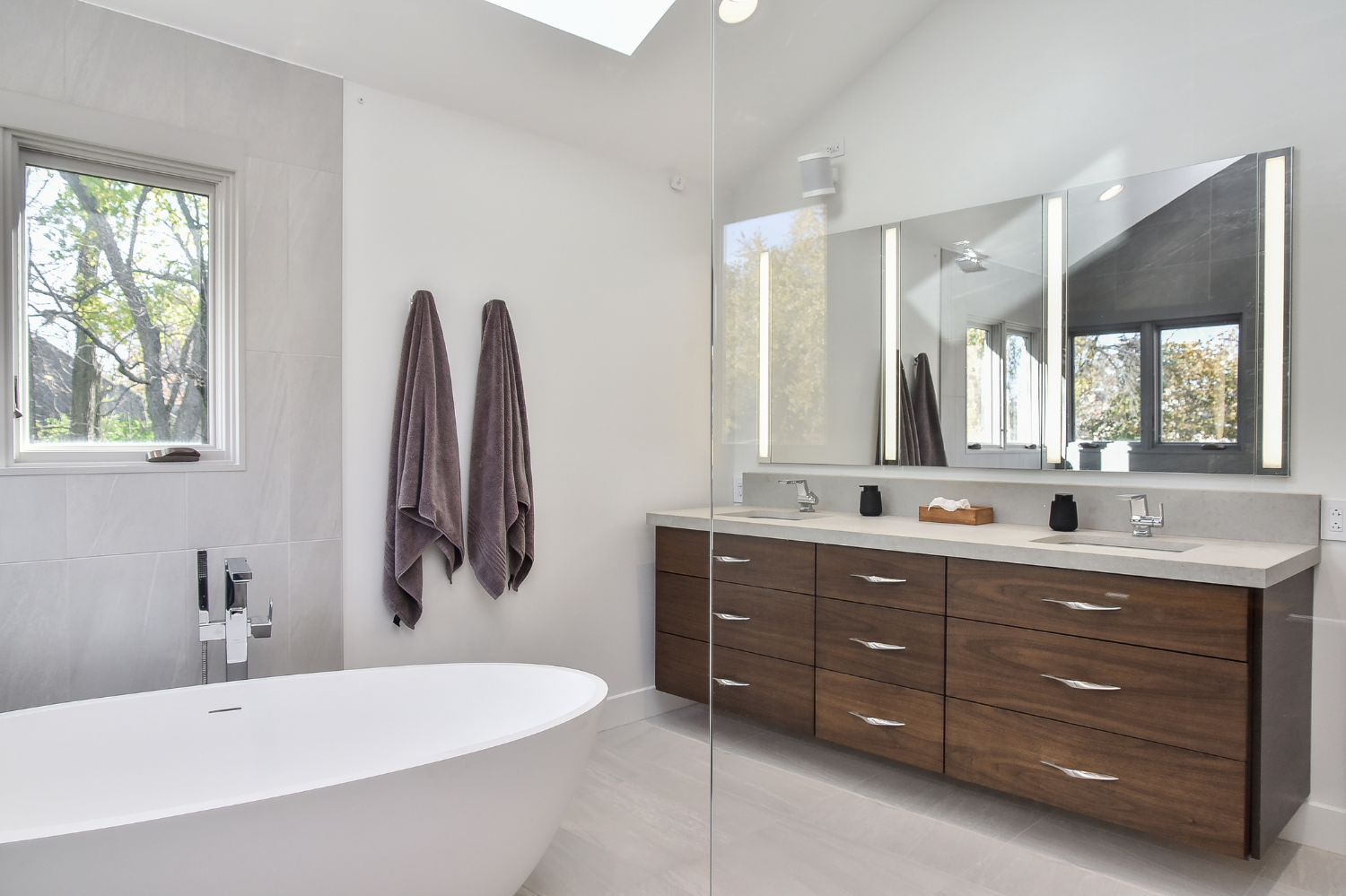
Double vanities remain a staple in primary bathrooms, but the way they are designed has improved significantly. Instead of simply adding a second sink, modern layouts focus on creating a comfortable and functional experience for both users.
That often means increasing the overall length of the vanity or spacing the sinks farther apart. In some cases, separate vanity areas are used to give each person their own dedicated space.
This shift reflects a deeper understanding of how people actually use their bathrooms. It’s not just about symmetry or resale value. It’s about making daily routines easier and more enjoyable.
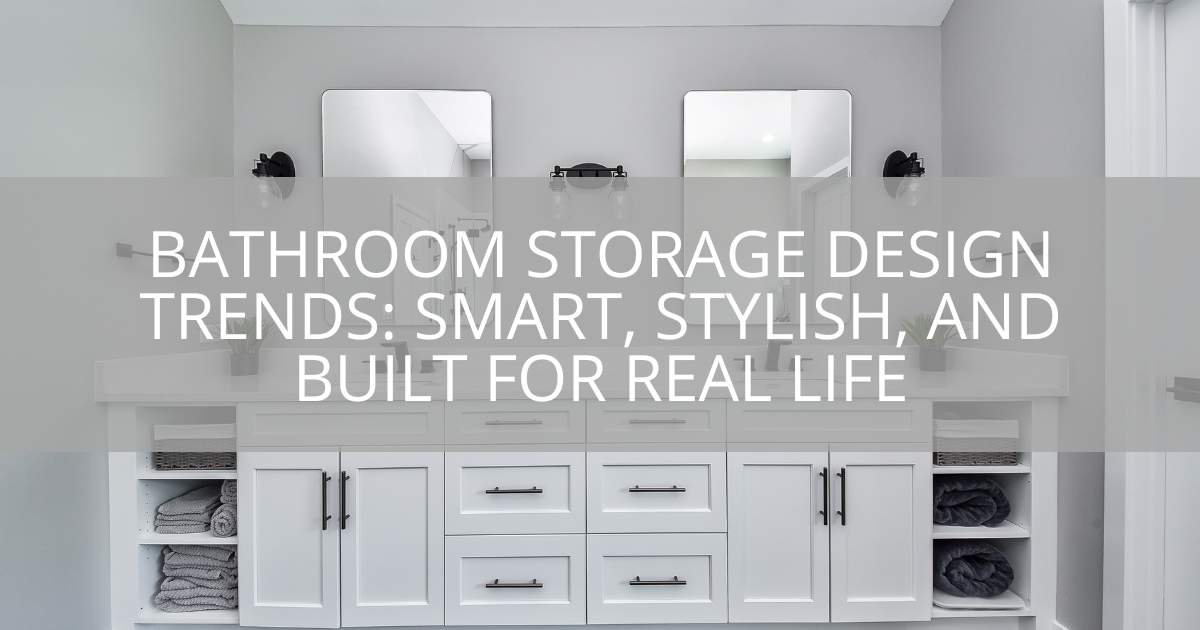
Storage also plays a key role here. Built-in drawers, organizers, and cabinetry help keep personal items neatly contained, reducing clutter and maintaining a clean look.
5. Walk-In Showers That Define the Space
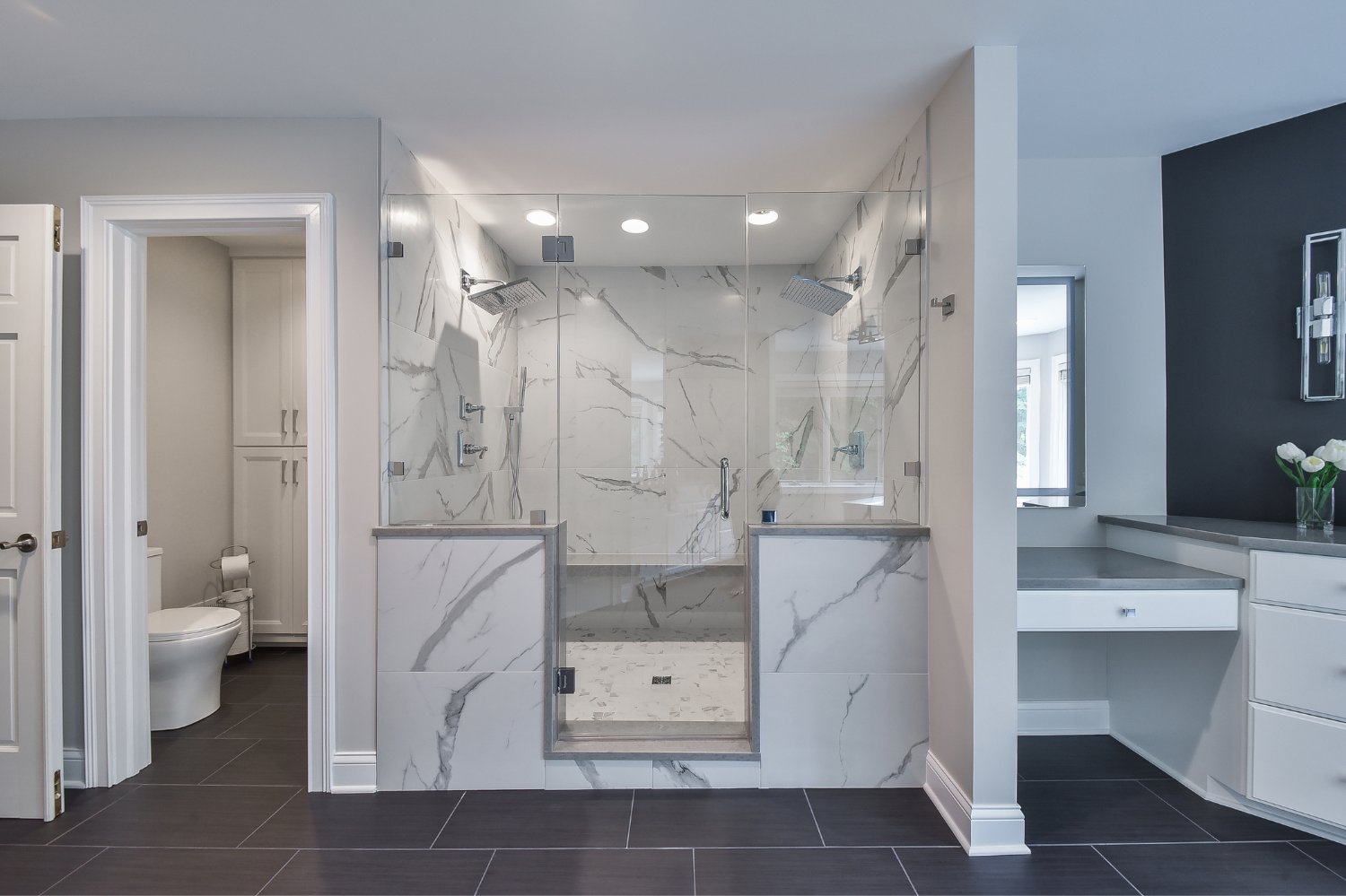
Walk-in showers have become one of the most important features in modern bathroom design. In many cases, they serve as the focal point of the entire layout.
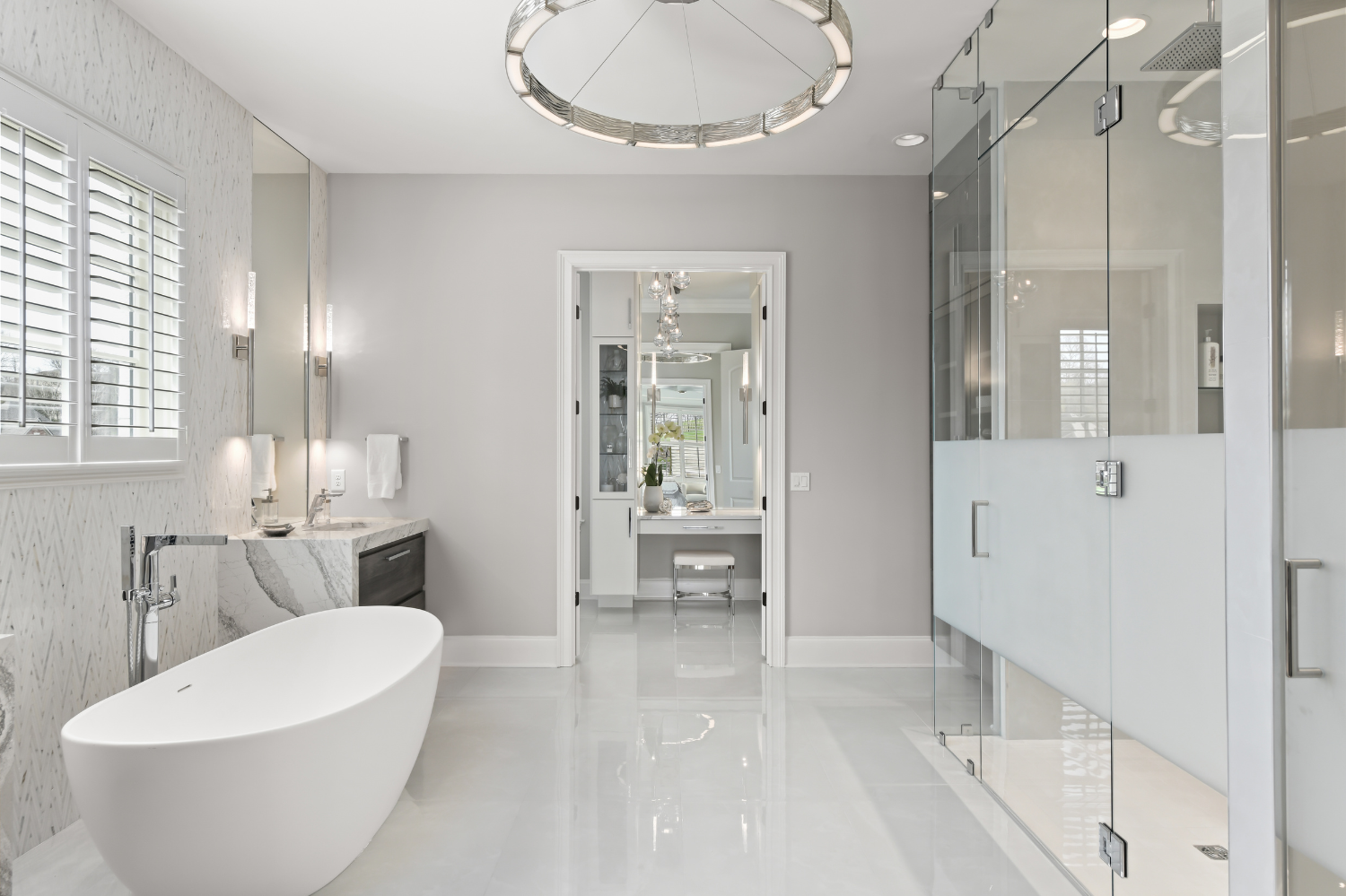
These showers are typically larger and more open than traditional designs. Frameless glass panels, curbless entries, and minimal hardware all contribute to a sleek, contemporary look. Some layouts even eliminate doors entirely, creating a seamless transition between the shower and the rest of the bathroom.
Positioning also matters. Instead of hiding the shower in a corner, designers often place it in a more prominent location. This helps anchor the layout and creates a strong visual centerpiece.
Beyond aesthetics, walk-in showers offer practical benefits. They are easier to access, simpler to clean, and better suited for long-term use as mobility needs change.
6. Freestanding Tubs That Add Balance and Character
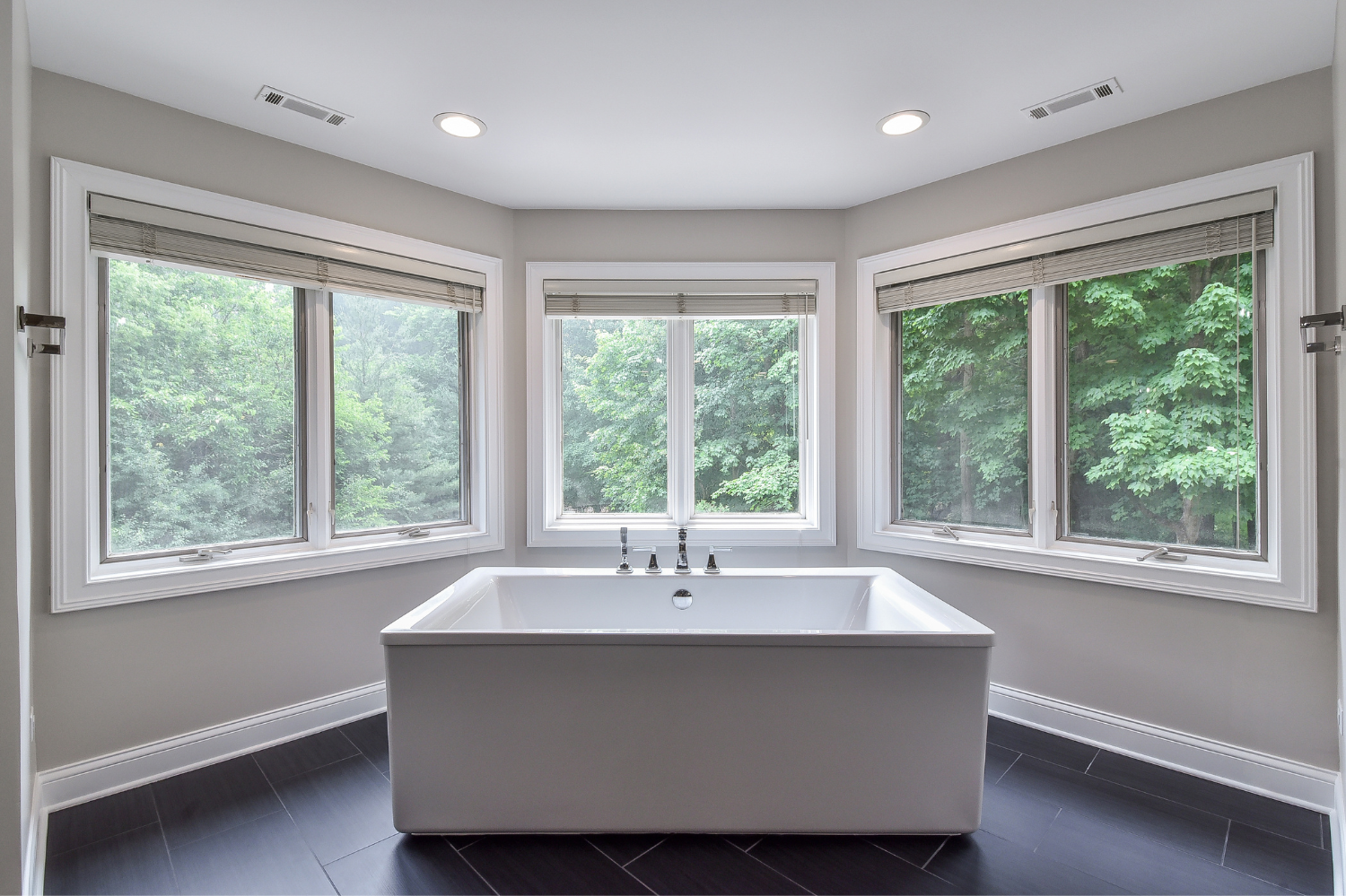
While showers have taken on a more prominent role, freestanding tubs continue to be a popular feature in primary bathrooms. The difference lies in how they are incorporated into the layout.
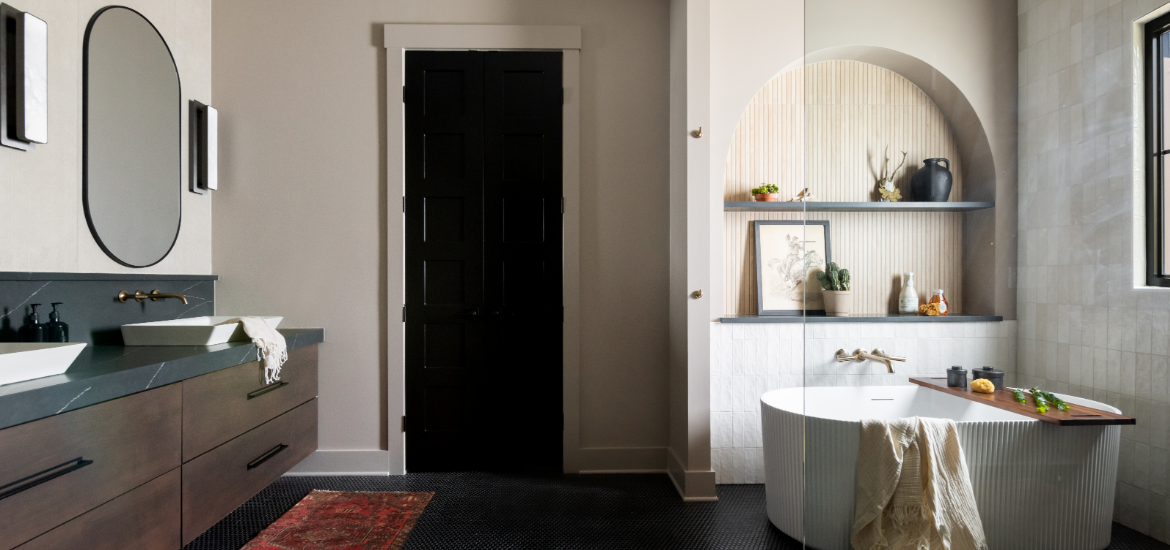
Rather than being placed against a wall, these tubs are often positioned as standalone elements. They may sit beneath a window, at the center of the room, or within a wet room design. This placement allows the tub to act as a visual anchor, helping to balance the overall layout.
Freestanding tubs also contribute to the feeling of luxury. They encourage a slower, more relaxed approach to bathing, which aligns with the broader trend toward wellness-focused design.
Even in smaller bathrooms, a carefully chosen tub can enhance the space without overwhelming it, especially when paired with a thoughtful layout.
7. Floating Fixtures That Create Visual Space
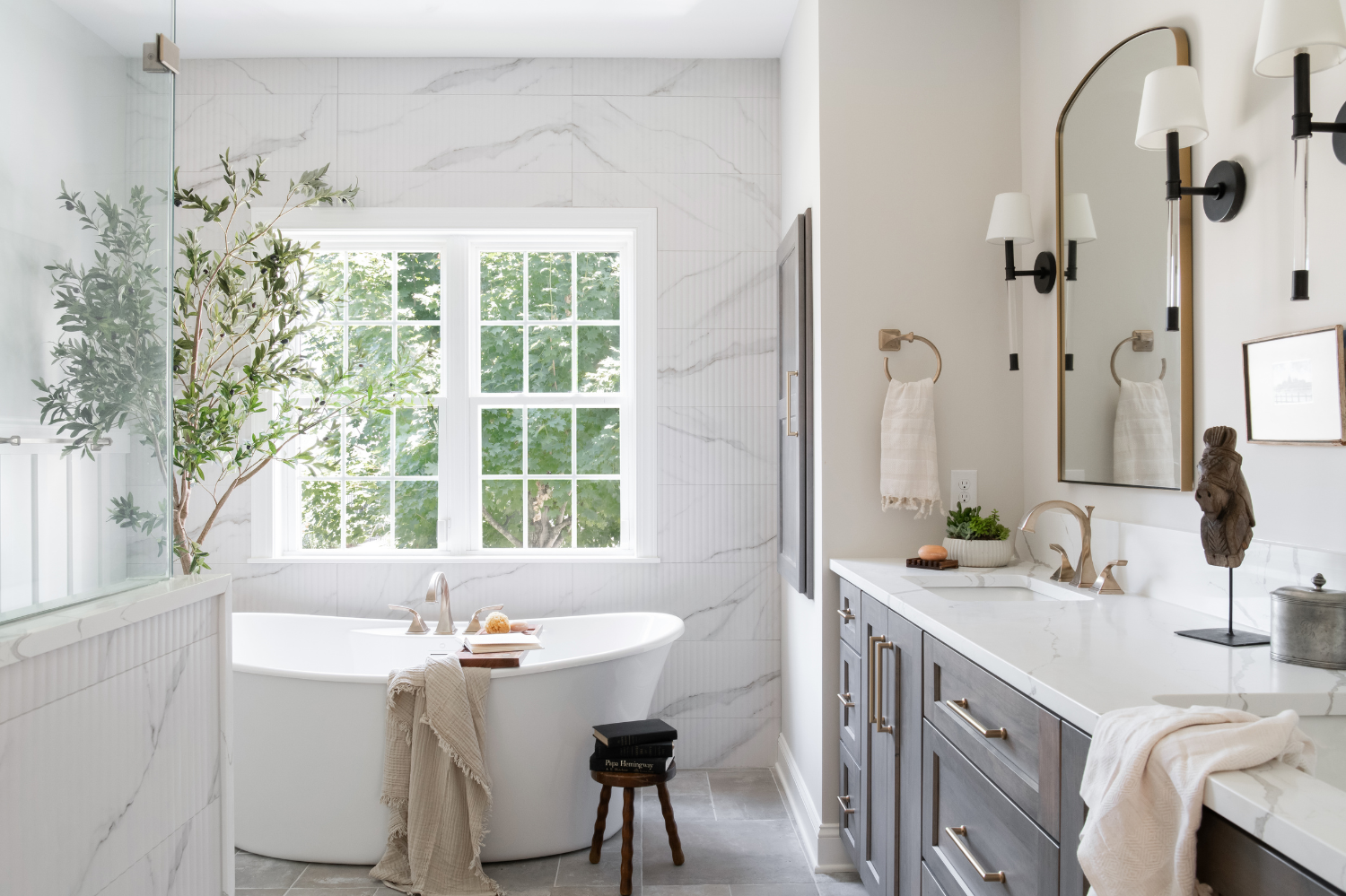
Floating vanities, wall-mounted toilets, and other elevated fixtures are becoming increasingly common in modern bathrooms. These elements play a subtle but important role in shaping the layout.
By lifting fixtures off the floor, designers create more visible surface area, which makes the room feel larger. This is particularly effective in smaller bathrooms, where every visual trick counts.
Floating fixtures also simplify cleaning and contribute to a more streamlined look. Without bulky bases or legs, the design feels lighter and less cluttered.
From a layout perspective, these elements help maintain clear sightlines and improve the overall flow of the space. They support the open, airy feel that defines many of today’s primary bathroom layout ideas.
8. Built-In Storage That Keeps the Layout Clean
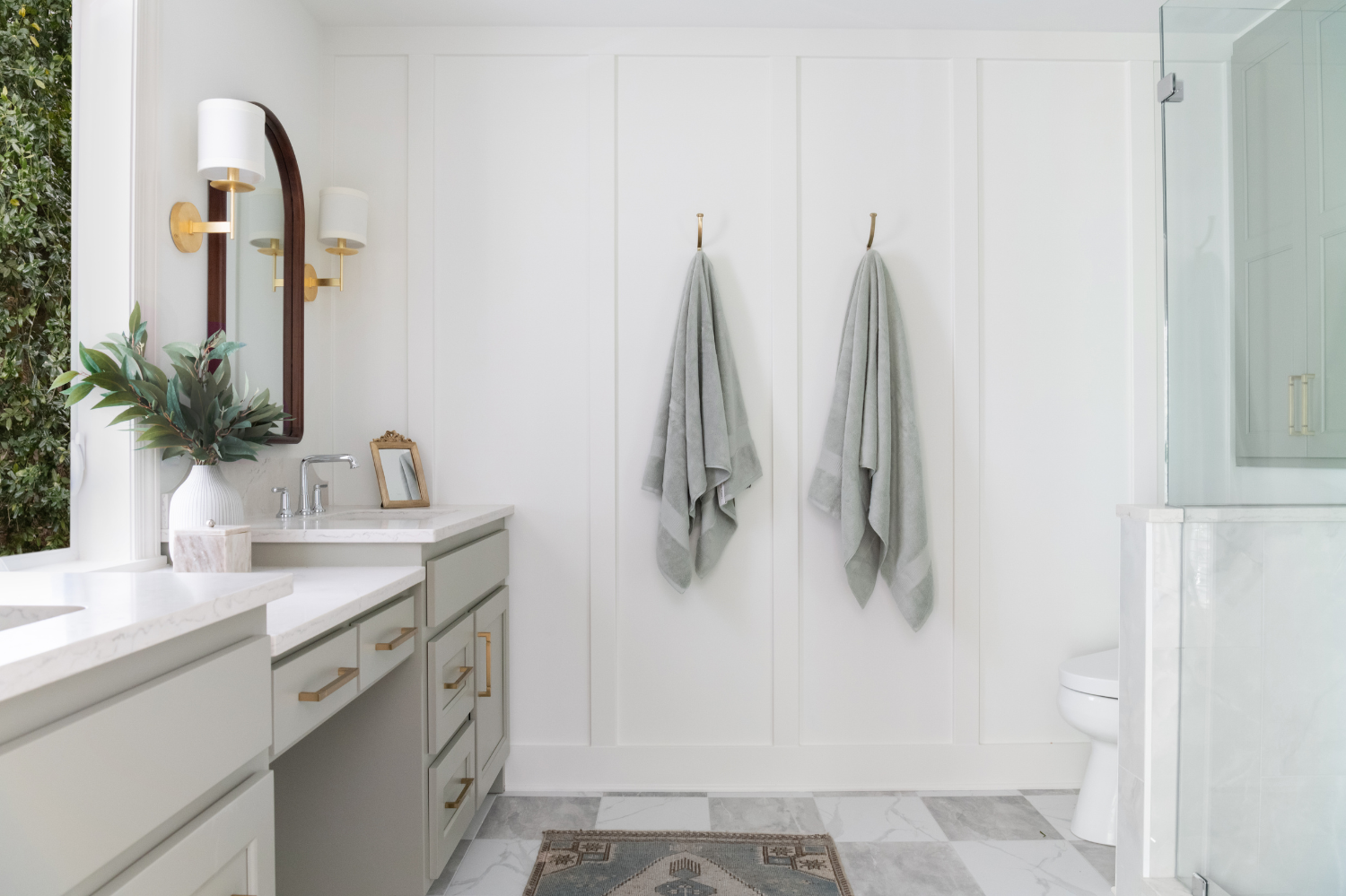
Storage is one of the most important aspects of any bathroom, yet it’s often overlooked during the early design stages. Modern layouts address this by integrating storage directly into the structure of the space.
Recessed niches in showers provide convenient storage without taking up extra room. Built-in shelving and hidden cabinetry keep everyday items within reach while maintaining a clean appearance.
This approach allows the layout to remain uncluttered, which is essential for creating a relaxing environment. When everything has its place, the bathroom feels more organized and easier to maintain.
Thoughtful storage design also supports long-term functionality. As your needs change, having flexible and accessible storage options can make a significant difference.
9. Wellness-Focused Layouts That Encourage Relaxation
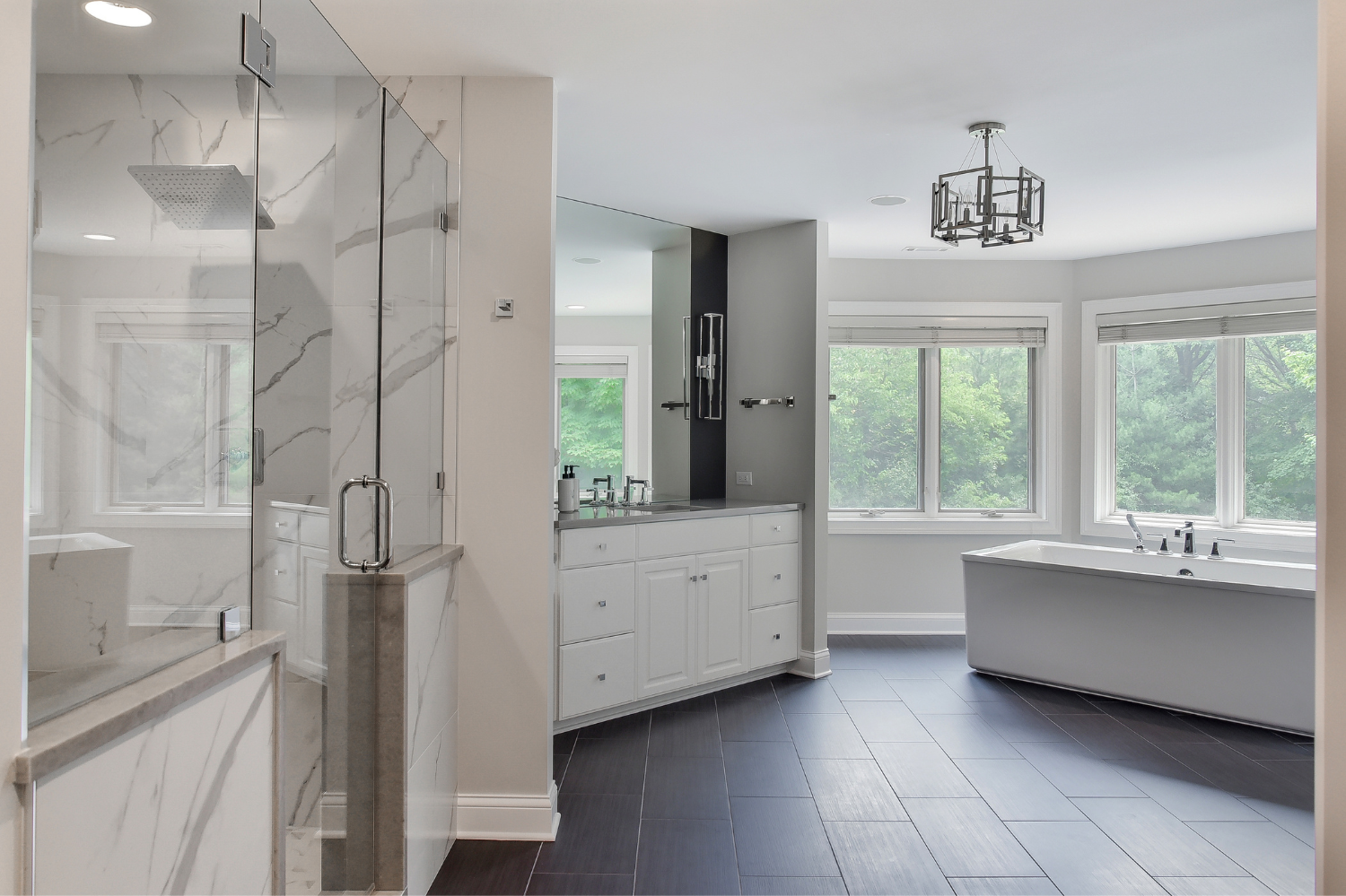
One of the strongest influences on current design trends is the idea of the bathroom as a personal retreat. This has led to a growing emphasis on wellness-focused layouts.
Instead of maximizing every inch with fixtures, these designs prioritize space, comfort, and atmosphere. That might mean leaving more room around a soaking tub, incorporating seating, or designing a layout that allows for quiet moments of relaxation.
Natural light, soft materials, and simple lines all contribute to this effect. The layout is designed to reduce stress and create a sense of calm, rather than simply meeting functional needs.
This trend reflects a broader shift in how people view their homes. The bathroom is no longer just a place to get ready. It’s a place to unwind and recharge.
10. Technology Integration That Enhances Usability
Technology is becoming an integral part of bathroom design, and it has a direct impact on layout decisions. Features such as smart mirrors, heated flooring, and digital shower controls require careful planning to ensure they are both functional and easy to use.
For example, lighting needs to be positioned correctly to work with mirrors and reduce shadows. Controls for showers and other features should be placed within easy reach without disrupting the overall design.
When technology is integrated thoughtfully, it enhances the user experience without adding complexity. The layout remains clean and intuitive, while still offering the benefits of modern convenience.
Final Thoughts
The most effective primary bathroom layout ideas are those that strike a balance between style and function. Trends can provide inspiration, but the best layouts are always tailored to the people who use them.
A well-designed bathroom supports your daily routine, reduces stress, and creates a space you genuinely enjoy. It considers how you move, how you store your belongings, and how you want the room to feel at different times of the day.
Whether you’re drawn to open-concept designs, spa-like wet rooms, or more structured layouts with clear zones, the key is to start with a thoughtful plan. Every decision, from fixture placement to storage solutions, should work together to create a cohesive and functional space.
Ready to Transform Your Primary Bathroom?
If you’re exploring primary bathroom layout ideas and thinking about a remodel, the right design partner can make all the difference. At Sebring Design Build, we specialize in creating bathrooms that are not only beautiful but also highly functional and tailored to your lifestyle.
Our team takes the time to understand how you use your space and what matters most to you. From initial layout concepts to final construction, we guide you through every step of the process with clarity and attention to detail.
If you’re ready to turn your primary bathroom in Franklin, TN, into a space that truly works for you, reach out to Sebring Design Build today. Let’s create a layout that fits your life and elevates your home.