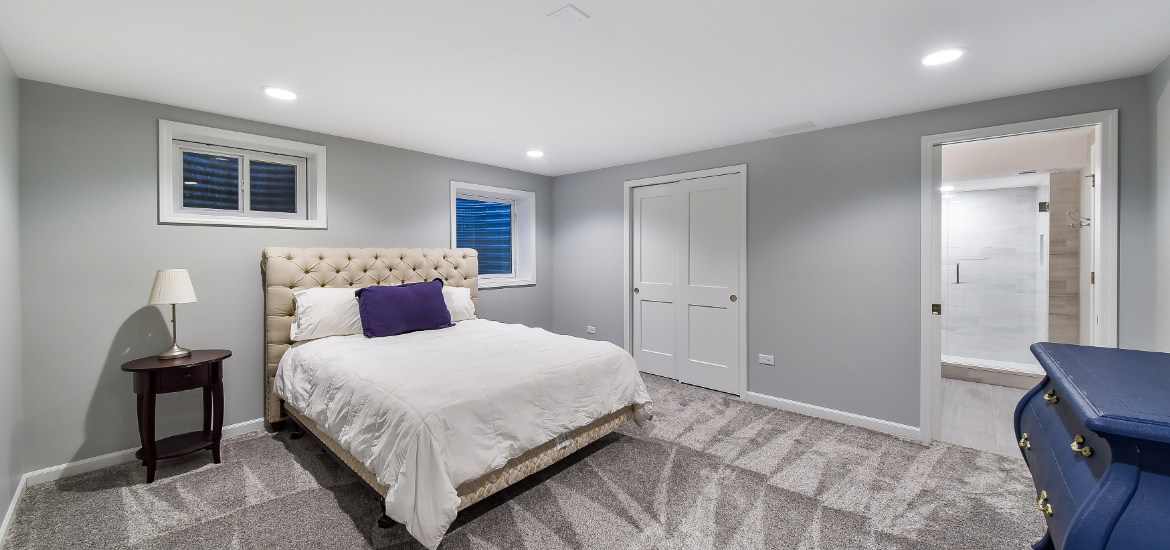
Basements have changed dramatically over the past decade. What was once a dark storage space is now one of the most valuable areas of the home. Homeowners are realizing that a finished basement can serve many purposes, from entertainment zones to home gyms and offices. One of the most popular transformations today is creating comfortable sleeping areas for guests or family members.
The rise of multi-generational living, remote work, and flexible home design has made basement bedrooms more appealing than ever. Instead of leaving square footage unused, homeowners are turning their lower levels into functional and inviting living spaces.
When designed thoughtfully, a basement bedroom can feel just as comfortable and welcoming as any room upstairs. The key is combining smart layouts, good lighting, and the right materials. These modern basement bedroom ideas show how homeowners are transforming their basements into stylish bedrooms and guest suites that add both comfort and value.
1. Full Basement Guest Suites
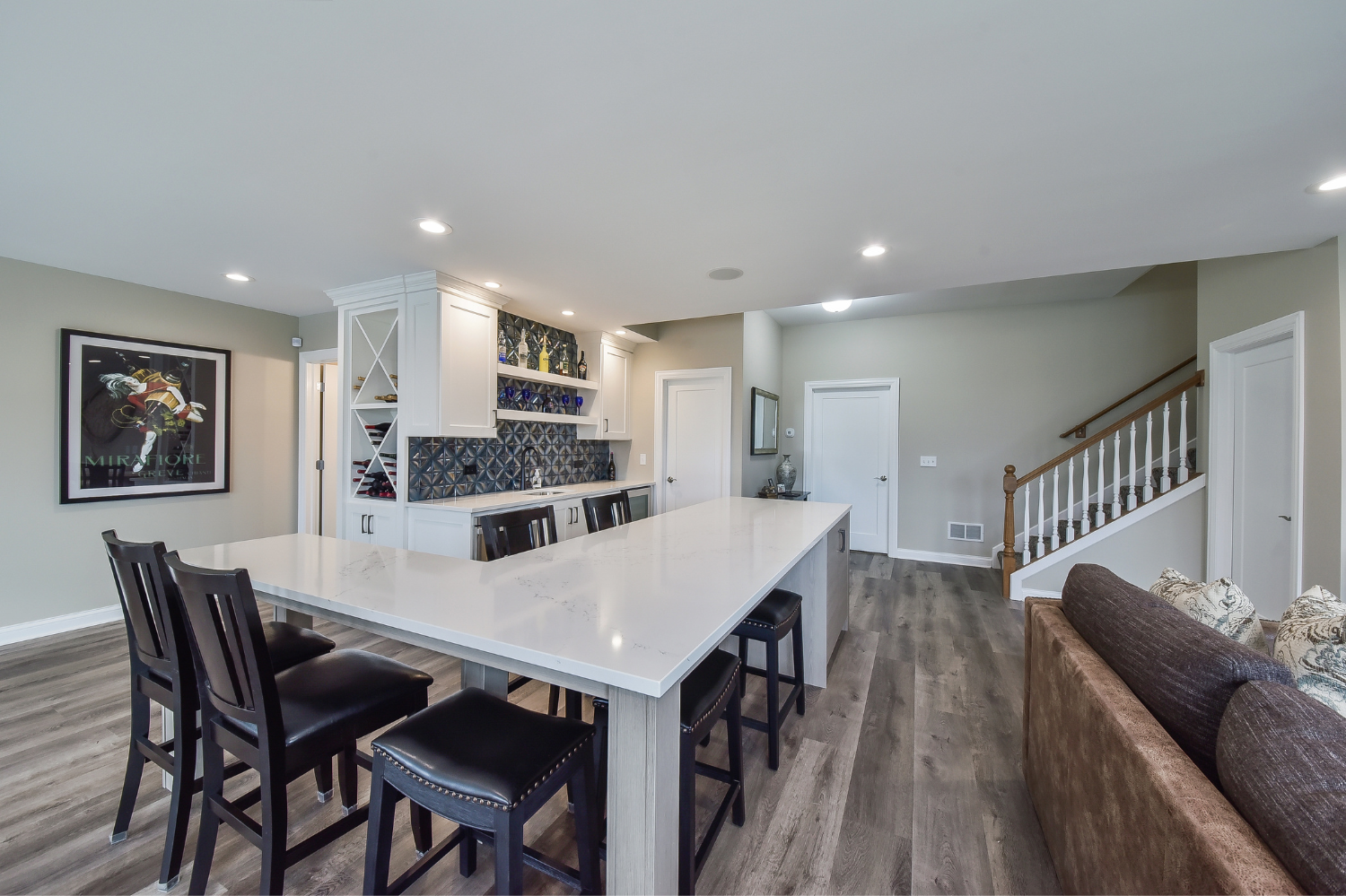
One of the biggest shifts in basement design is the move from a simple spare bedroom to a full guest suite. Instead of placing a bed in a finished basement and calling it complete, homeowners are creating spaces that feel more like a private apartment.
A basement guest suite usually includes a bedroom, a nearby bathroom, and a small seating area. Some even include a kitchenette or coffee station. The goal is to give guests a comfortable place where they can relax without feeling like they are intruding on the main living space.
This design approach works especially well for families who frequently host relatives or friends. When guests have their own space, everyone enjoys more privacy. It also makes longer visits more comfortable, since guests can unwind without needing to stay in the main areas of the house.
Among all basement bedroom ideas, guest suites remain one of the most practical upgrades. They transform an underused basement into a welcoming space that feels intentional rather than temporary.
2. Light-Filled Basement Bedrooms
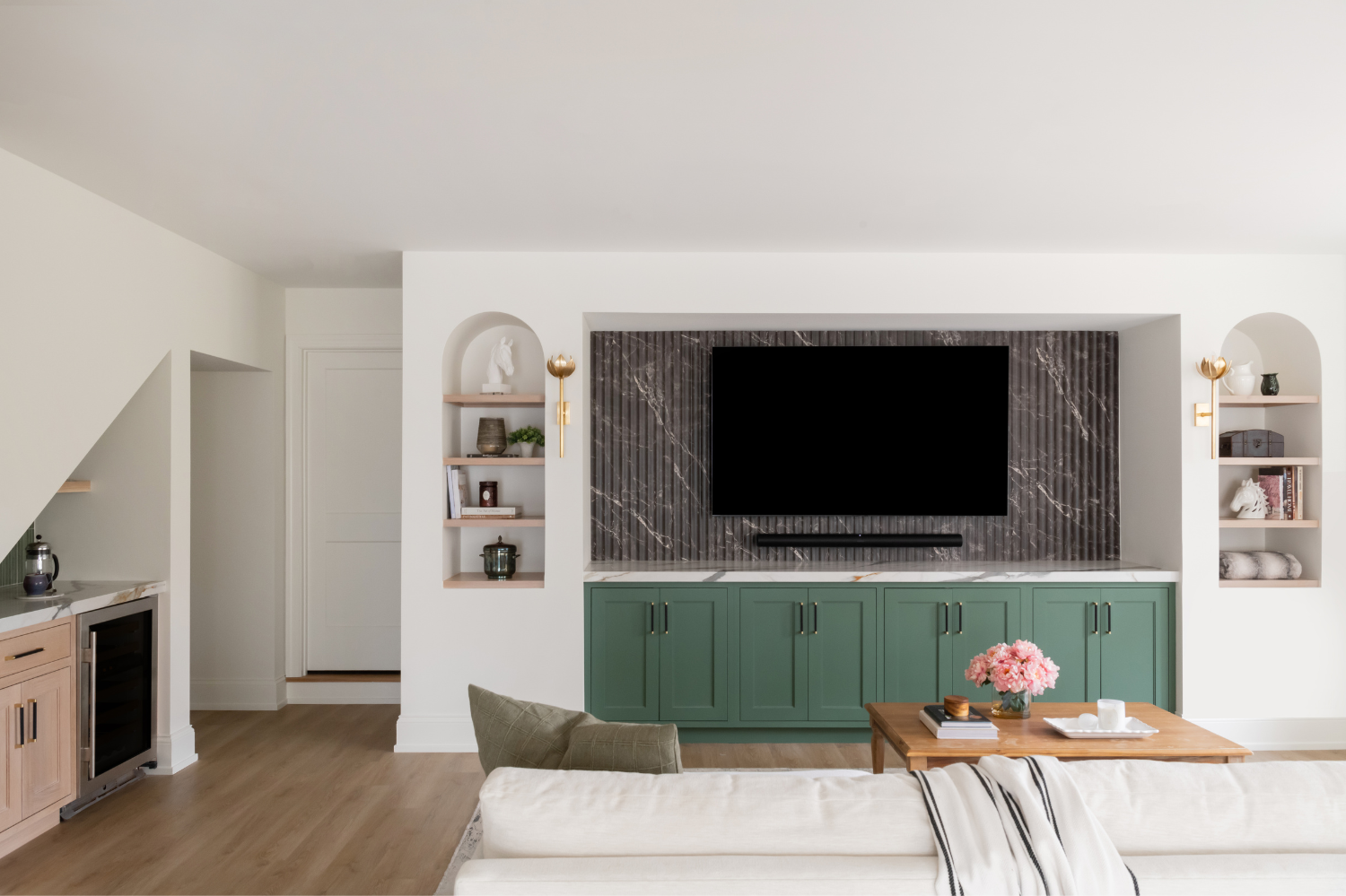
Lighting is one of the biggest challenges in basement design. Because basements sit below ground level, they naturally receive less sunlight than other areas of the home. Without careful planning, a basement bedroom can feel dark or enclosed.
Modern basement bedroom design focuses heavily on maximizing light. Larger egress windows are one of the most effective ways to brighten a space. These windows allow natural light to reach deeper into the room while also meeting building code requirements for safety.
Interior design choices also make a significant difference. Light-colored walls reflect available light and help the room feel more open. Soft whites, warm neutrals, and pale gray tones are common choices for basement bedrooms. These shades create brightness without feeling sterile.
Artificial lighting plays an equally important role. Instead of relying on a single overhead fixture, designers often layer lighting sources throughout the room. Recessed lighting, bedside lamps, and wall sconces work together to create a comfortable and balanced atmosphere.
When done well, a basement bedroom can feel surprisingly bright. Many homeowners find that thoughtful lighting design completely changes how their lower level feels.
3. Cozy Retreat-Style Bedrooms
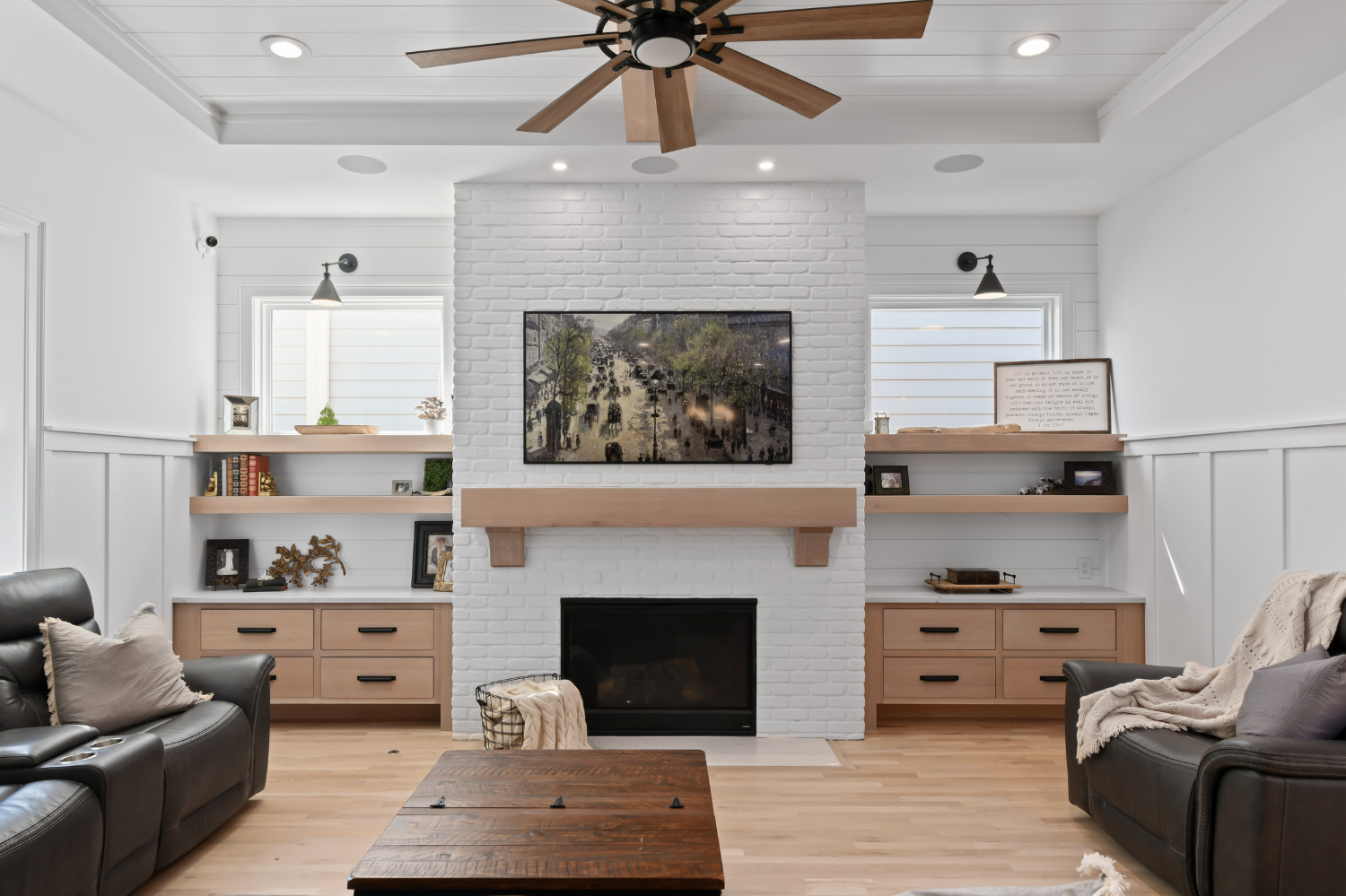
Another popular direction for basement bedroom ideas focuses on comfort and relaxation. Instead of trying to make a basement bedroom look exactly like a standard upstairs room, many designers lean into the natural quiet and privacy that basements provide.
These retreat-style bedrooms are designed to feel warm and peaceful. Soft textures play a big role in achieving this atmosphere. Plush rugs, layered bedding, and comfortable upholstered furniture help the room feel inviting.
Lighting in these spaces is usually softer and more ambient. Table lamps, reading lights, and warm-toned bulbs create a calm mood that encourages rest. Some homeowners even add small reading nooks or lounge chairs to make the room feel like a private escape.
Color palettes often include deeper tones such as warm beige, soft brown, or muted greens. These shades work well in basements because they add warmth without making the room feel heavy.
The result is a bedroom that feels intentionally cozy rather than simply located underground. Many homeowners find that basement bedrooms designed this way become some of the most relaxing spaces in the house.
4. Basement Master Suites
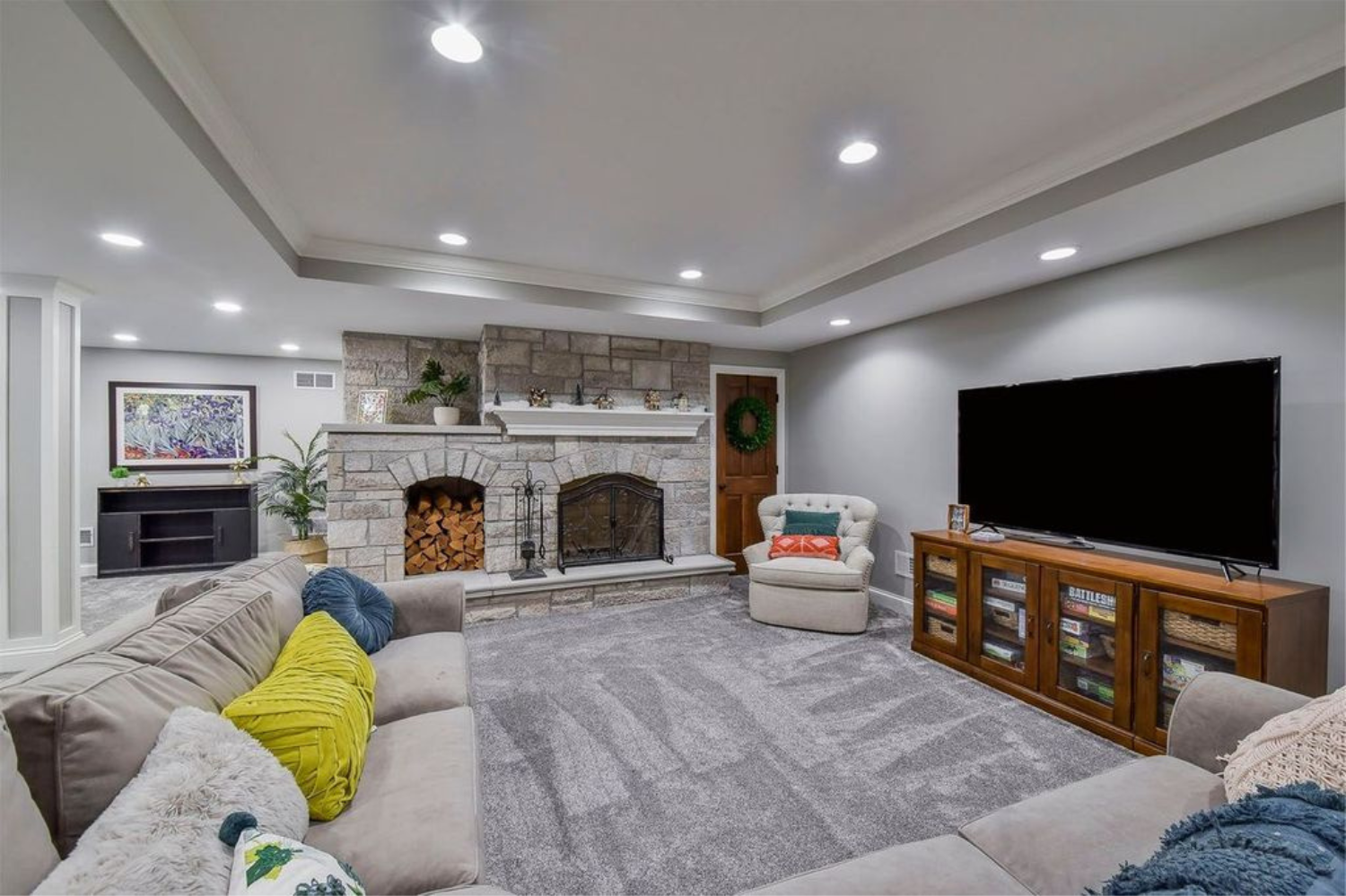
While guest rooms remain common, some homeowners are going a step further and turning their basements into full master suites. This approach works especially well in larger homes where the basement has enough square footage to support multiple rooms.
A basement master suite typically includes a spacious bedroom, a walk-in closet, and a private bathroom. Some designs also incorporate a sitting area or reading corner to create a more luxurious atmosphere.
One unexpected benefit of a basement master suite is quiet. Because the space sits below the main level, it is naturally separated from household activity. This can create a peaceful sleeping environment, especially in busy family homes.
Designers often pay extra attention to comfort in these suites. High-quality carpeting, sound insulation, and warm lighting help the space feel more like a private retreat than a converted basement.
For homeowners looking for bold basement bedroom ideas, creating a master suite below ground can dramatically change how the entire home functions.
5. Rental-Ready Basement Bedrooms
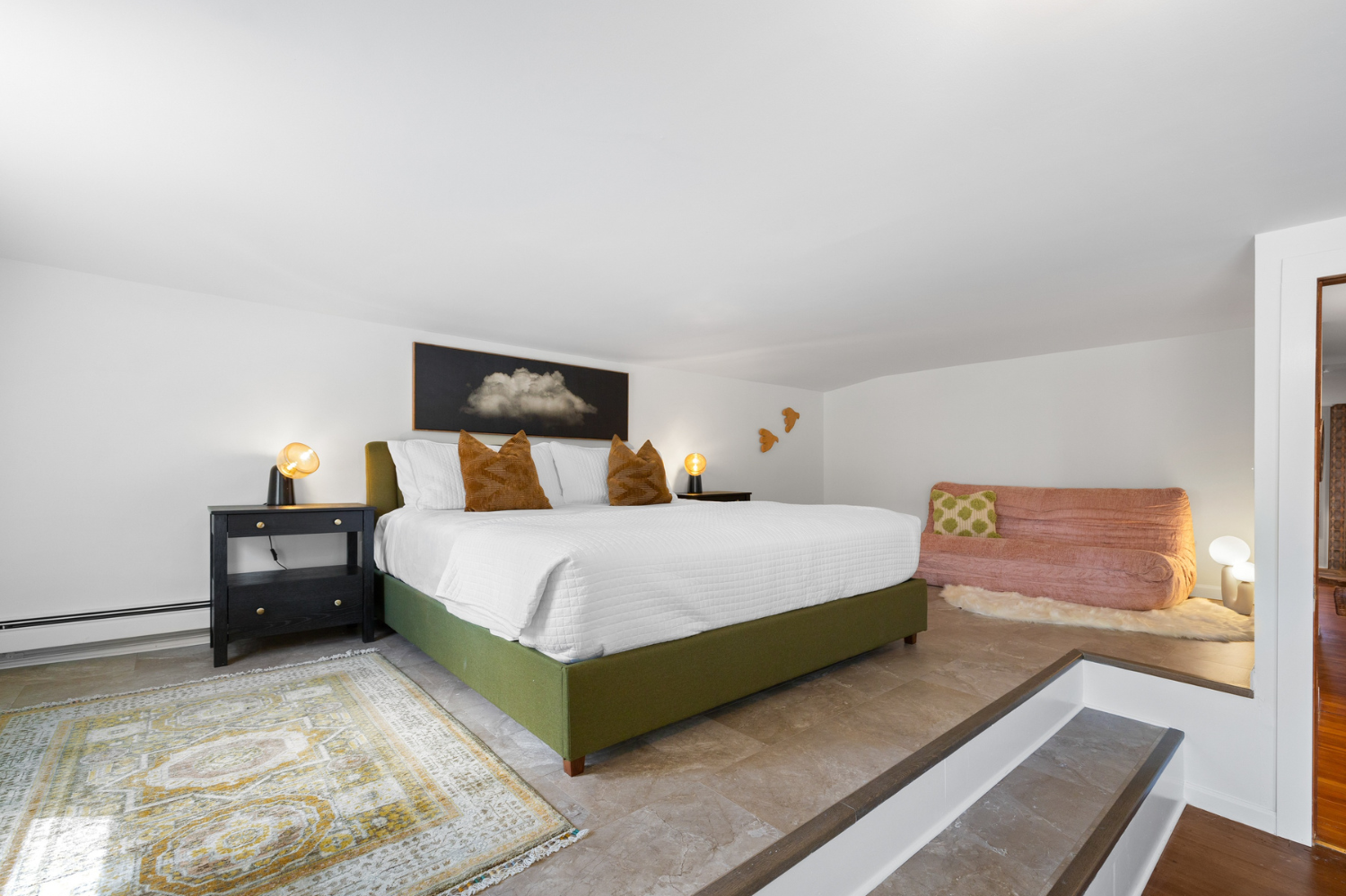
Housing costs in many areas have encouraged homeowners to look for ways to generate additional income from their property. One increasingly popular solution is designing a basement bedroom as part of a rental-ready suite.
In these designs, the basement functions almost like a small apartment. The bedroom is paired with a bathroom, a compact living area, and sometimes a kitchenette. A separate entrance is often included so tenants can come and go without passing through the main living areas.
While these layouts require careful planning and must follow local building codes, they can provide long-term financial benefits. Some homeowners use basement suites as long-term rentals, while others list them as short-term accommodations.
Even if rental income is not the main goal, this type of layout can still be useful. It creates flexible living space that could later house adult children, aging parents, or extended family members.
Among modern basement bedroom ideas, rental-ready suites highlight how versatile basement spaces can become.
6. Natural and Earth-Toned Design
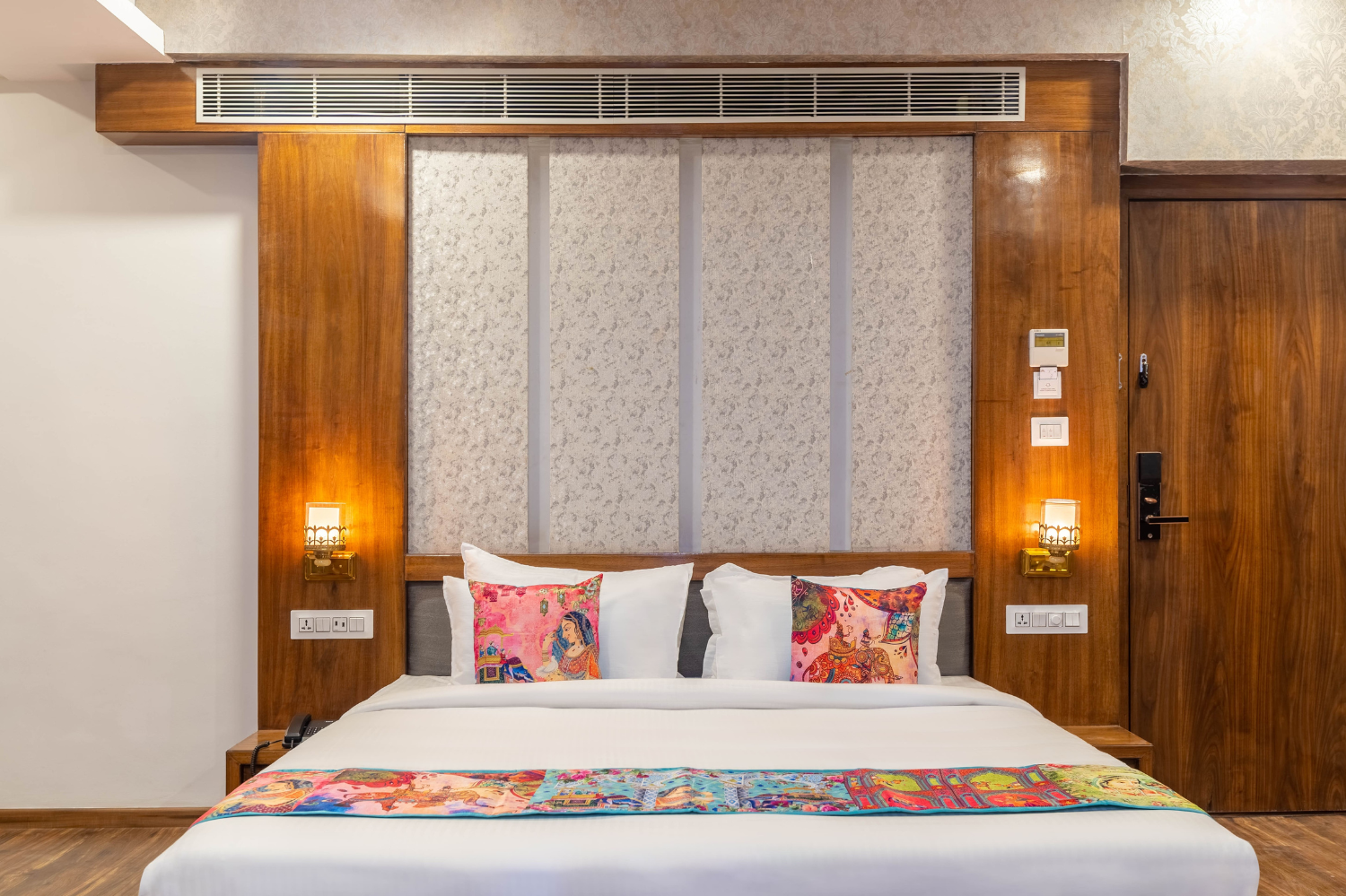
Color trends for basement bedrooms have shifted noticeably in recent years. Instead of stark white or overly dark finishes, designers are leaning toward warm, natural color palettes.
Earth tones help basement spaces feel grounded and welcoming. Shades like sage green, warm taupe, clay, and sand create a calm environment while adding visual depth. These colors also pair well with natural materials that are becoming more common in basement design.
Wood accents, woven textures, and linen fabrics help soften the space and make it feel less like a basement. These materials bring warmth and character to a room that might otherwise feel plain.
Natural design elements also create continuity between the basement and the rest of the house. When similar colors and materials appear throughout the home, the basement feels like a true extension of the living space.
For homeowners exploring basement bedroom ideas, choosing the right palette can dramatically influence how the finished room feels.
7. Built-In Storage and Custom Millwork
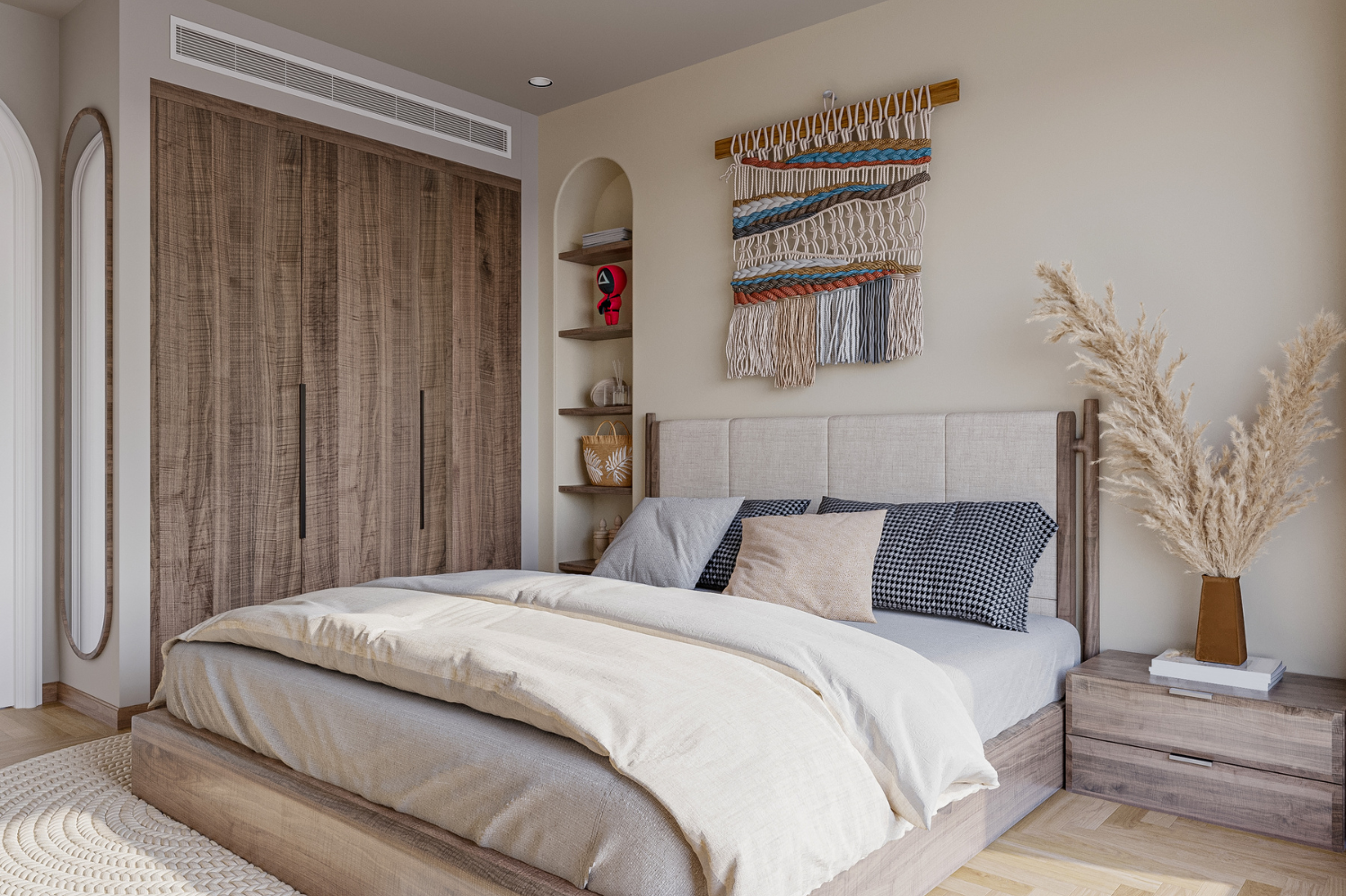
Storage can be a challenge in basement bedrooms. Lower ceilings, support beams, and mechanical systems sometimes limit where furniture can go. Because of this, custom storage solutions are becoming increasingly popular.
Built-in wardrobes and wall shelving allow homeowners to maximize space while maintaining a clean, organized look. Instead of relying on bulky dressers or freestanding closets, storage is integrated directly into the design of the room.
Window seats with hidden storage are another clever solution. They provide a comfortable place to sit while also creating space to store bedding, seasonal items, or personal belongings.
Custom millwork can also help conceal structural elements that might otherwise disrupt the room’s appearance. Support columns or utility access points can be incorporated into cabinetry so they blend into the overall design.
These types of thoughtful solutions make basement bedrooms feel more polished and functional.
8. Open-Concept Basement Layouts
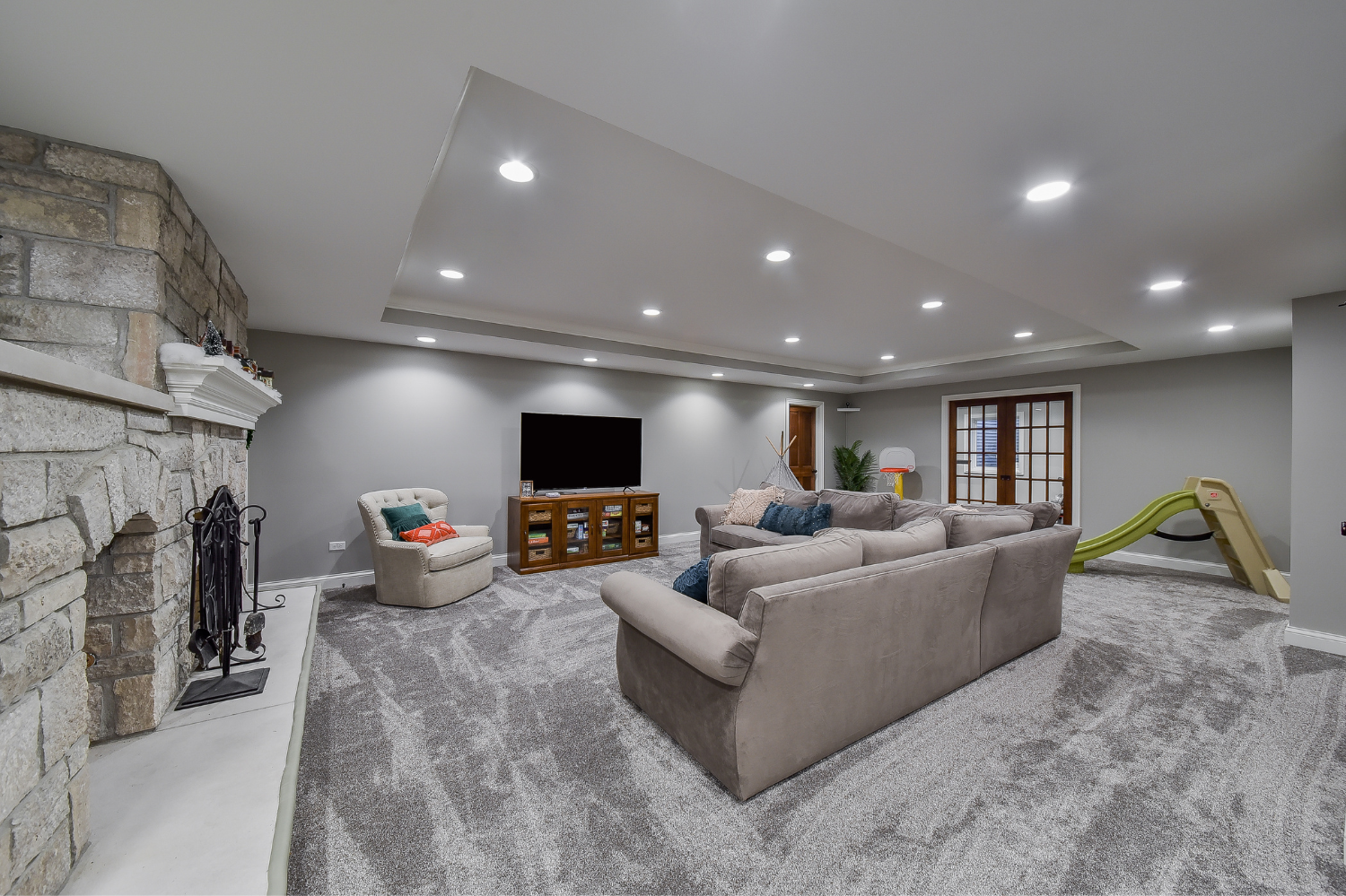
Many homeowners prefer basement layouts that feel open and flexible rather than divided into multiple small rooms. In these designs, the bedroom becomes part of a larger basement living area.
An open layout might include a sleeping area alongside a small lounge, workspace, or reading corner. Instead of walls separating each function, designers use furniture placement, lighting, and rugs to define different zones.
This approach helps basements feel larger and less confined. It also allows the space to evolve as the household’s needs change. A guest bedroom today might become a home office or teenager’s hangout space in the future.
Open layouts are particularly popular in modern homes where flexibility is a priority. They make the basement feel like a natural extension of the main living areas rather than a completely separate level.
For homeowners seeking adaptable basement bedroom ideas, open designs provide a lot of freedom.
9. Garden-Level Bedrooms with Outdoor Connection
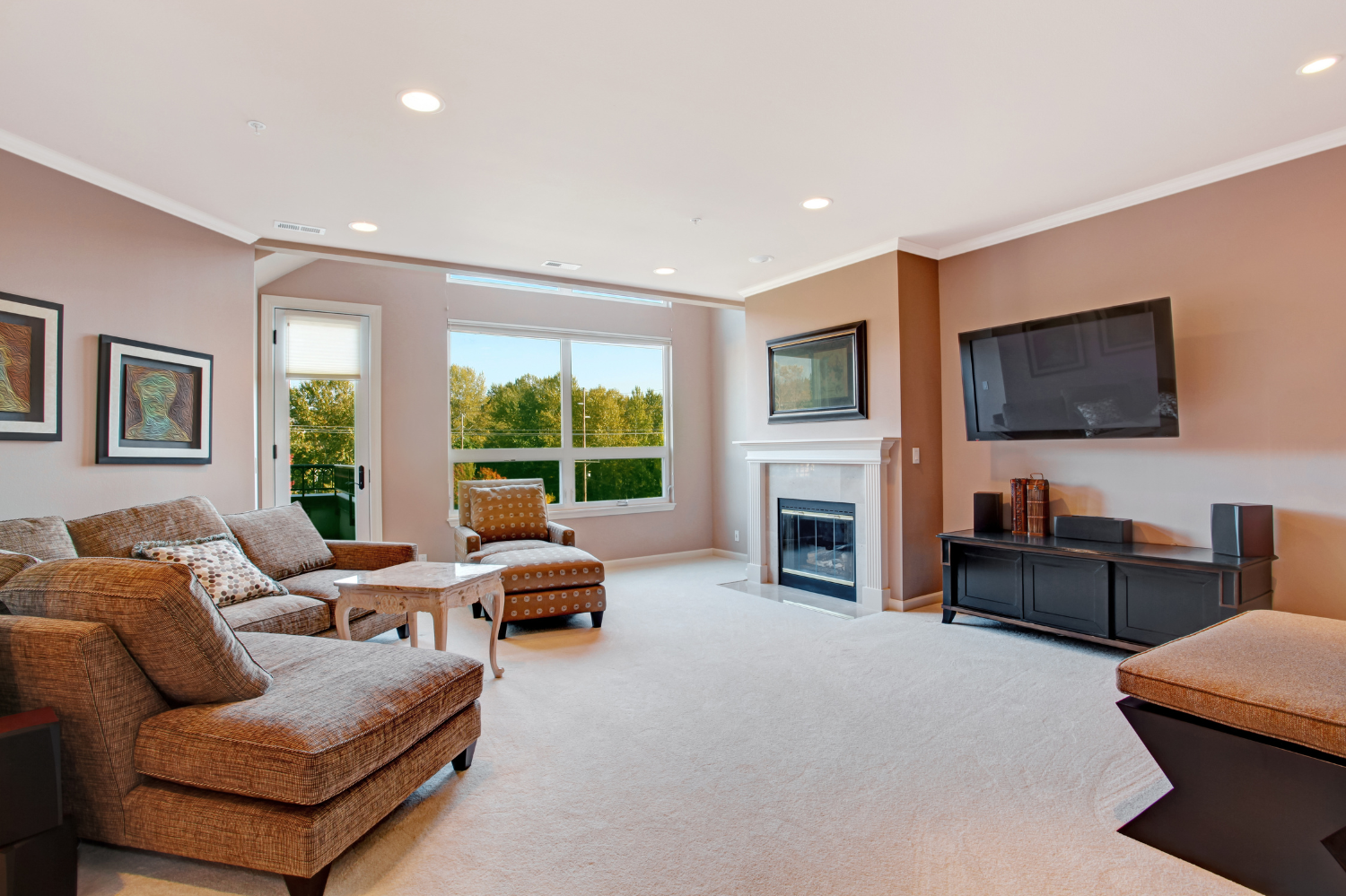
Some basements sit partially above ground, creating opportunities for garden-level windows or walkout access to the backyard. When this feature is available, designers often make it the focal point of the bedroom.
Beds may be positioned near windows to capture natural light and outdoor views. Window wells can be landscaped with plants or stone to make them feel more visually appealing. Even small touches like light curtains can help maximize daylight while maintaining privacy.
This connection to the outdoors can make a basement bedroom feel far less enclosed. Natural light, greenery, and fresh air help the room feel more open and comfortable.
Homeowners who want their basement to feel like a true living space often prioritize designs that highlight these features.
10. Boutique Hotel-Style Guest Rooms
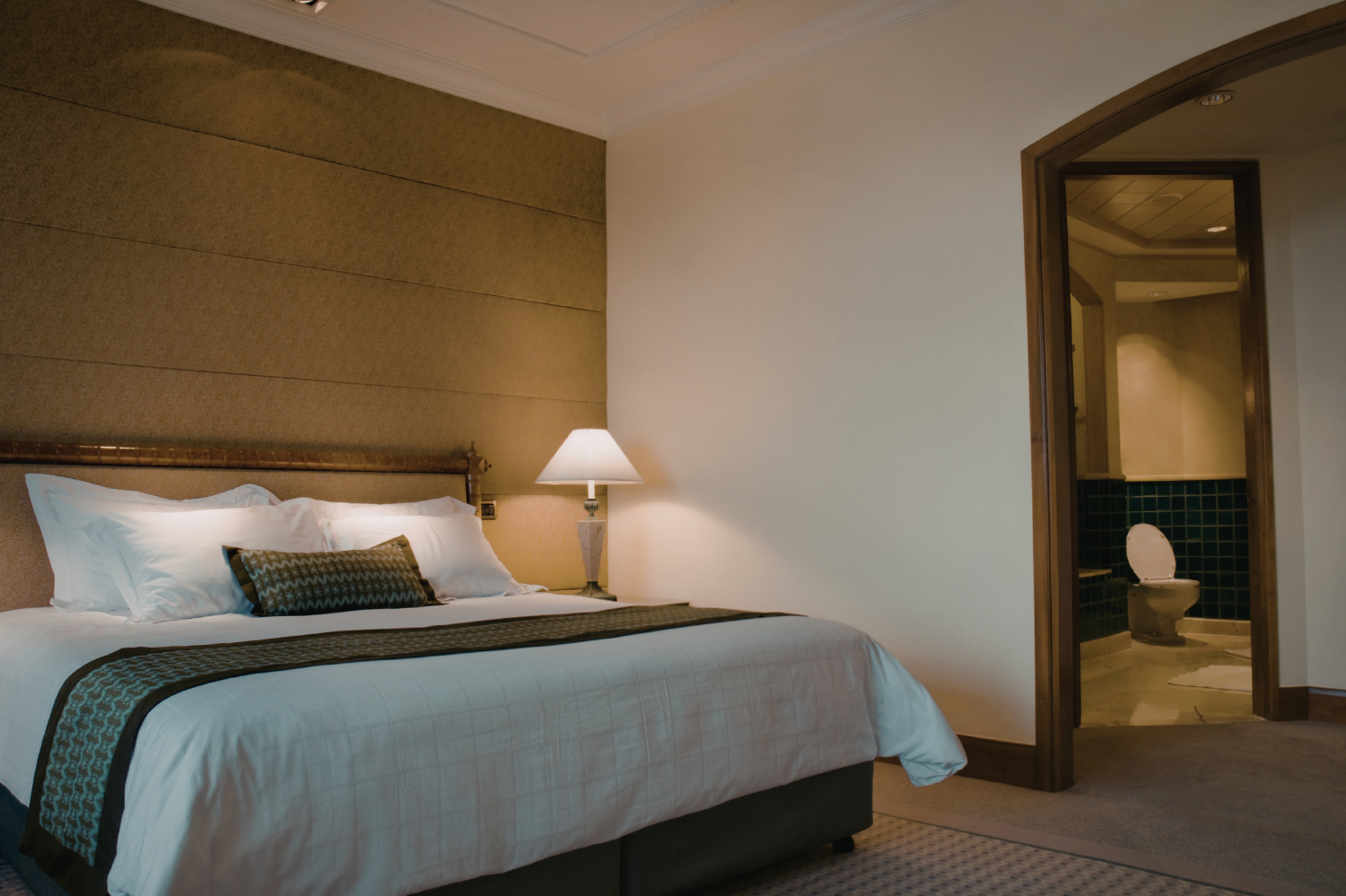
A growing number of homeowners are designing basement guest bedrooms to feel like boutique hotel suites. Instead of treating the space as a basic spare room, they focus on comfort and thoughtful details that elevate the experience for visitors.
These bedrooms often include high-quality bedding, stylish nightstands, and warm accent lighting. Small conveniences can make a big difference for guests. Charging stations, luggage benches, and extra storage help visitors settle in quickly.
Some homeowners even add small beverage stations with coffee makers or electric kettles so guests can enjoy a drink without going upstairs.
The goal is to create a welcoming space that feels polished and comfortable. When designed with care, basement guest rooms can feel just as inviting as professional hospitality spaces.
Among all modern basement bedroom ideas, this approach reflects a broader trend toward making every part of the home feel intentional and thoughtfully designed.
Designing a Basement Bedroom That Feels Like Home
A well-designed basement bedroom starts with thoughtful planning. Factors like lighting, insulation, moisture control, and building codes should always be addressed before focusing on finishes or décor. Egress windows are especially important, as they improve safety while allowing natural light to enter the space.
Once those foundational elements are in place, the creative possibilities expand quickly. The right layout, lighting plan, and material choices can completely transform how a basement feels. What was once a dark storage area can become a comfortable bedroom, a welcoming guest suite, or even a private living space for family members.
Today’s homeowners are looking for ways to make every square foot of their home more functional. Thoughtful basement bedroom ideas allow homeowners to add valuable living space without building an addition. Whether you want to create a cozy retreat for guests or a full basement suite, a well-designed renovation can dramatically improve both comfort and home value.
If you’re considering a basement renovation, working with experienced professionals can make the process much smoother. From layout planning and lighting design to custom storage and finishing details, expert guidance helps ensure your new basement bedroom feels just as polished and comfortable as the rest of your home.
Ready to transform your basement into a beautiful bedroom or guest suite? Contact Sebring Design Build to start planning a custom basement remodeling in Franklin, TN that fits your home, style, and lifestyle.