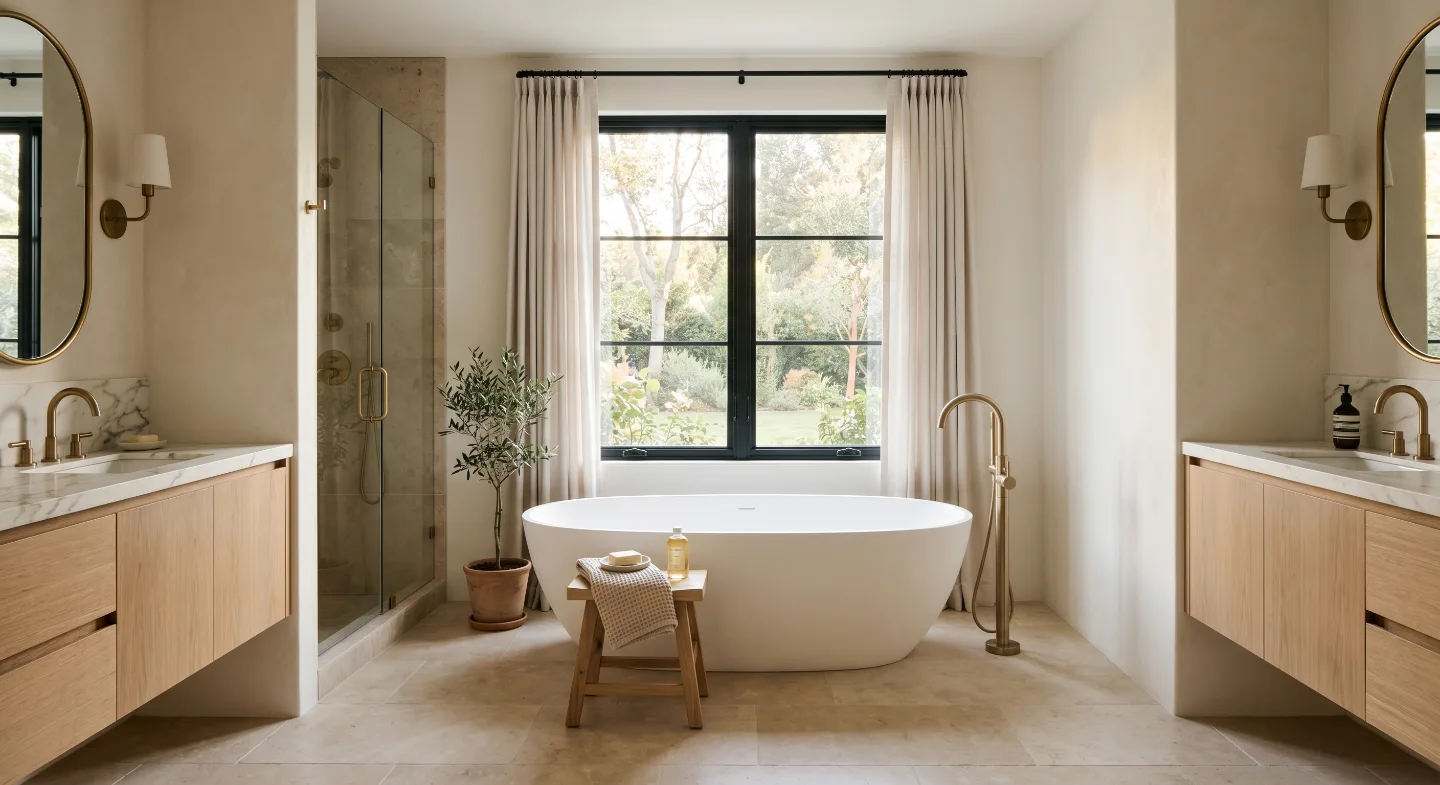
There is a version of your morning that starts differently. Warm light on honed marble. A walk-in shower with a rain head that actually clears your mind before the day begins. Double vanities so getting ready is never a negotiation. Storage that holds everything, with nothing left cluttering the counter.
That bathroom is well within reach, and the homeowners who arrive at it calmly, without regret or rushed decisions, are the ones who took the time to answer a handful of essential questions before design work ever began.
This guide walks through exactly what to think through before your first design conversation, so that each decision that follows is grounded in real clarity about your space, your needs and your priorities.
Start With the Space You Actually Have
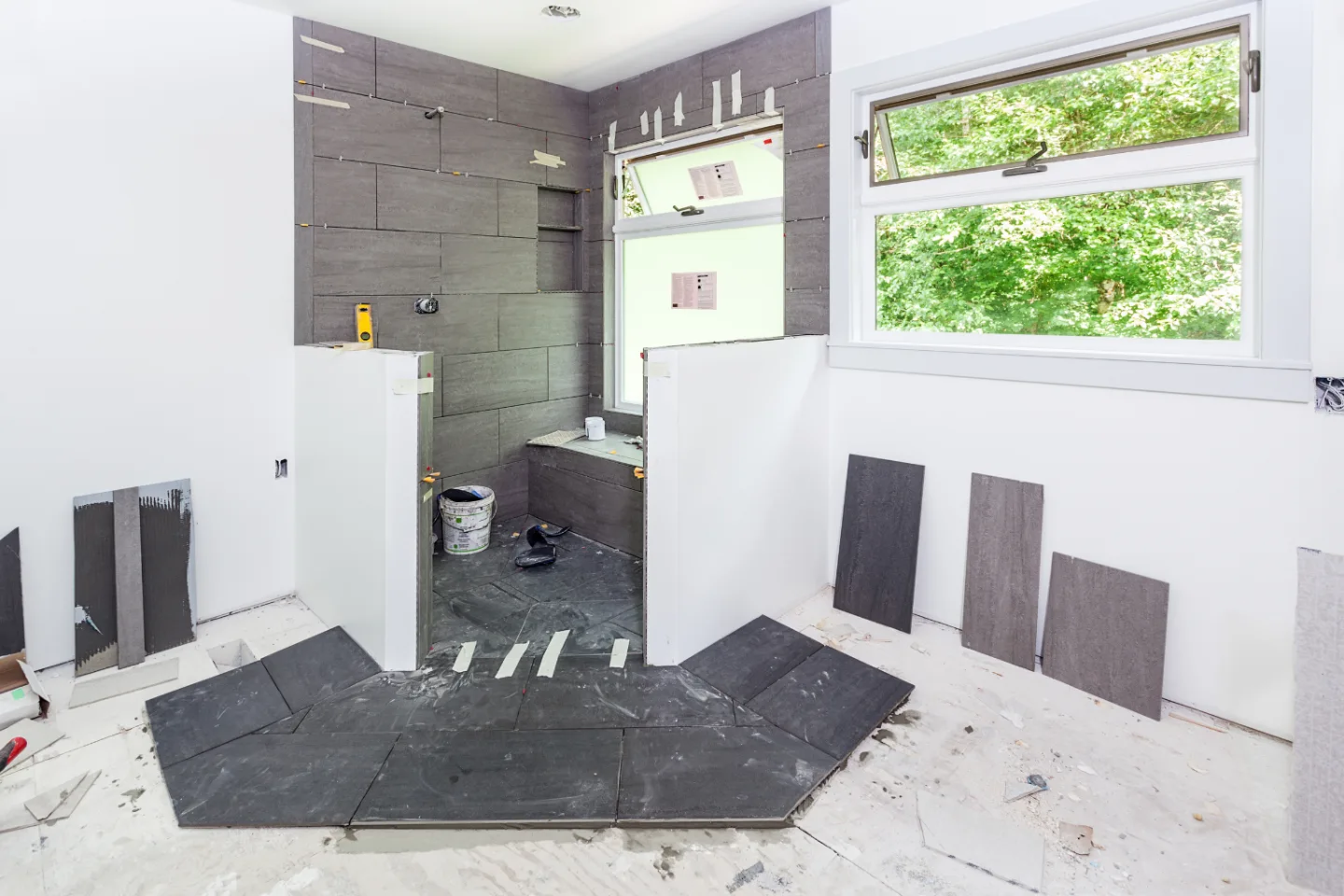
Before falling in love with any single feature, take an honest look at your existing footprint. Some Williamson County primary bathrooms have generous square footage to work with; others, particularly in older homes near downtown Franklin, are more modest and require thoughtful, creative planning to feel expansive.
Understanding your real constraints early prevents the most common and costly mistake in bathroom planning: falling in love with a layout your space can't support, then having to walk it back mid-design.
Decide What Kind of Bathroom You're Actually Remodeling
Not every bathroom in your home serves the same purpose, and clarifying which one you're remodeling shapes everything downstream. A primary suite bathroom, a shared family bath and a powder room near the entry all call for different decisions.
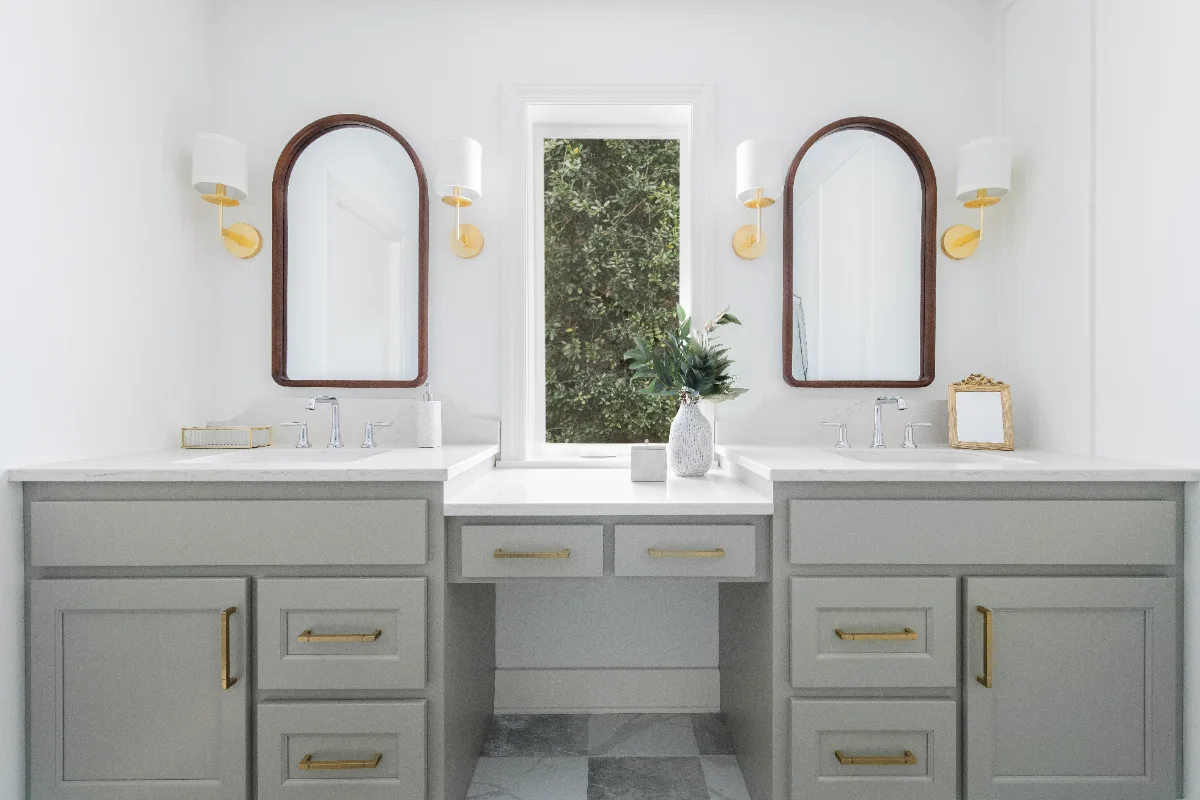
Primary suite bathrooms benefit from double vanities, a substantial walk-in shower and a design that feels like an extension of the bedroom it adjoins, the same warmth, the same restraint, nothing that competes with the calm of the space it opens into.
Family or guest bathrooms need to balance durability with beauty, since they see more daily traffic and more varied use, but that doesn't mean they can't be spa-inspired bathrooms.
Powder rooms, typically found near the entry, are an opportunity for a distinct design moment, a bolder tile, a statement mirror, a memorable powder room is one of the most delightful small-scale investments a home can make, since guests experience it directly.
Shower, Tub or Both, Decide Early
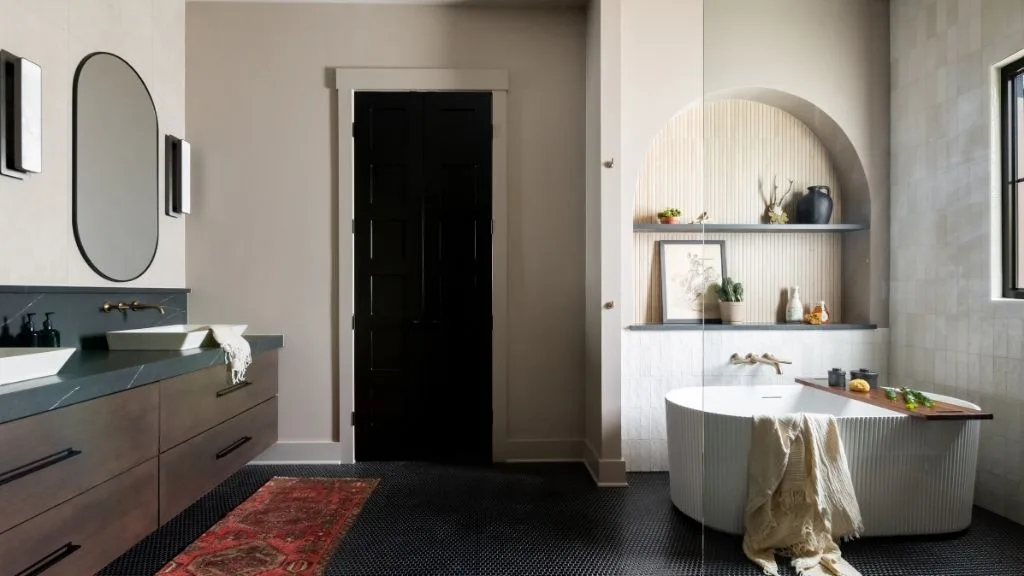
The standard shower size or tub will take up more space in your bathroom than any other single element, so this decision shapes the entire layout. If you have more than one bathroom in the home, it's common to dedicate one to a generous walk-in shower and preserve a soaking tub in another. If this is your only full bathroom, think honestly about how you actually bathe day to day, not how you imagine you might.
A well-designed walk-in shower, frameless glass, a linear drain, a wide format tile, has become a frequently requested upgrade among Franklin homeowners, and for good reason: it feels both luxurious and effortlessly practical. Our guide to shower design trends covers this in more depth.
Plan Storage Before You Plan Style
Storage is one of the most underestimated needs in any bathroom, and one of the easiest to solve well when it's planned early rather than added as an afterthought. If your home has a generous linen closet elsewhere, your bathroom cabinetry can lean toward the minimal and sculptural. If it doesn't, built-in storage needs to be part of the design conversation from day one.
Our guide to bathroom storage design trends covers this in more depth. Custom cabinetry, a tower cabinet flanking the vanity, drawers organized for daily essentials, a recessed medicine cabinet built into the wall rather than mounted on top of it, solves this elegantly without ever looking like storage was the point.
Choose Materials That Are Built to Last, Not Just to Look Good
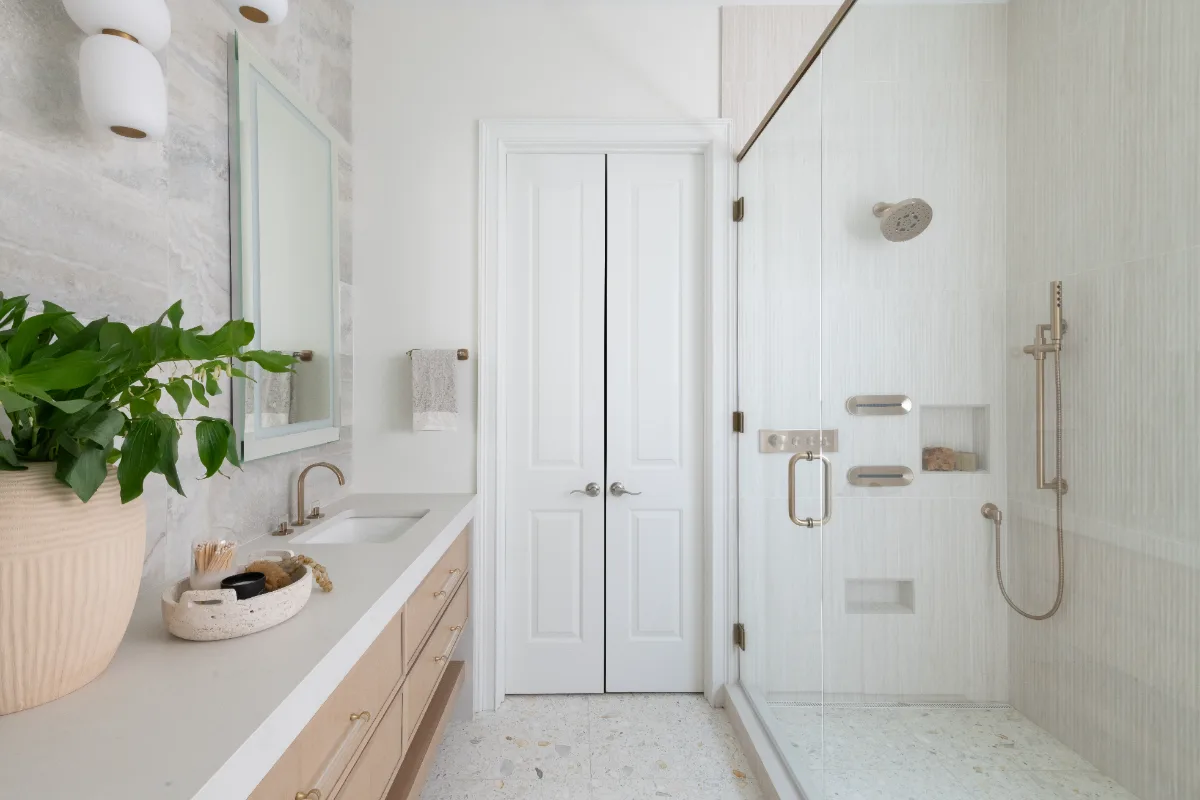
Each material in a bathroom lives in a demanding environment, moisture, temperature swings, daily use, so beauty and durability need to be considered together, not traded against each other.
Flooring. Porcelain, ceramic and natural stone tile all perform beautifully in bathrooms and offer real durability against daily wear. Large-format tile in particular has become a favorite among Franklin clients for the way it makes a smaller bathroom feel expansive.
Countertops. Quartzite and marble both bring warmth and texture to a vanity, though marble requires more conscientious care around moisture and staining. Your designer can walk you through the tradeoffs of bathroom design trends, based on how you actually live.
Cabinetry. Custom cabinets built specifically for a bathroom's moisture levels last decades longer than stock alternatives, and allow for storage configurations that are tailored to exactly what you need to store.
Fixtures. Unlacquered brass and polished nickel both age beautifully and are enjoying a well-earned resurgence in Franklin primary baths, a detail-level decision that has an outsized effect on how finished a space feels.
Don't Overlook Lighting and Ventilation
Lighting and ventilation rarely make a homeowner's initial wish list, but they shape the daily experience of a bathroom more than almost any other decision.
Our guide to bathroom lighting ideas covers this in more depth. Lighting should be layered, vanity sconces positioned to eliminate shadows on the face, quality overhead lighting for the room as a whole, and dimmable options for an evening bath versus a bright morning routine.
Ventilation protects everything else in the room. A properly sized, quiet exhaust fan prevents the moisture buildup that damages tile grout, cabinetry and paint over time, protecting the investment you've made in every other material in the space.
How Long Does a Bathroom Remodel Take?
A bathroom remodel with Sebring typically takes about 4 to 10 weeks of construction, or about 3 to 5 months from the first conversation to the finished bath once design, selections and permitting are included. A powder room or a refresh that keeps the existing layout sits at the shorter end. A primary bath that moves plumbing, adds a curbless shower or uses custom tile and cabinetry sits at the longer end.
- Design and selections: layout, tile, fixtures, vanity and lighting are chosen and documented before work begins.
- Permitting: typically 2 to 4 weeks in Williamson County, depending on the municipality and scope.
- Construction: demolition, rough plumbing and electrical, waterproofing, tile, vanity and fixtures, then final inspection and the punch list.
Because materials are ordered before construction begins, the schedule is far more predictable once the bathroom is opened up. Changes made after construction starts are the most common reason a bathroom timeline extends.
Set Your Budget, and Build in Room for the Unexpected
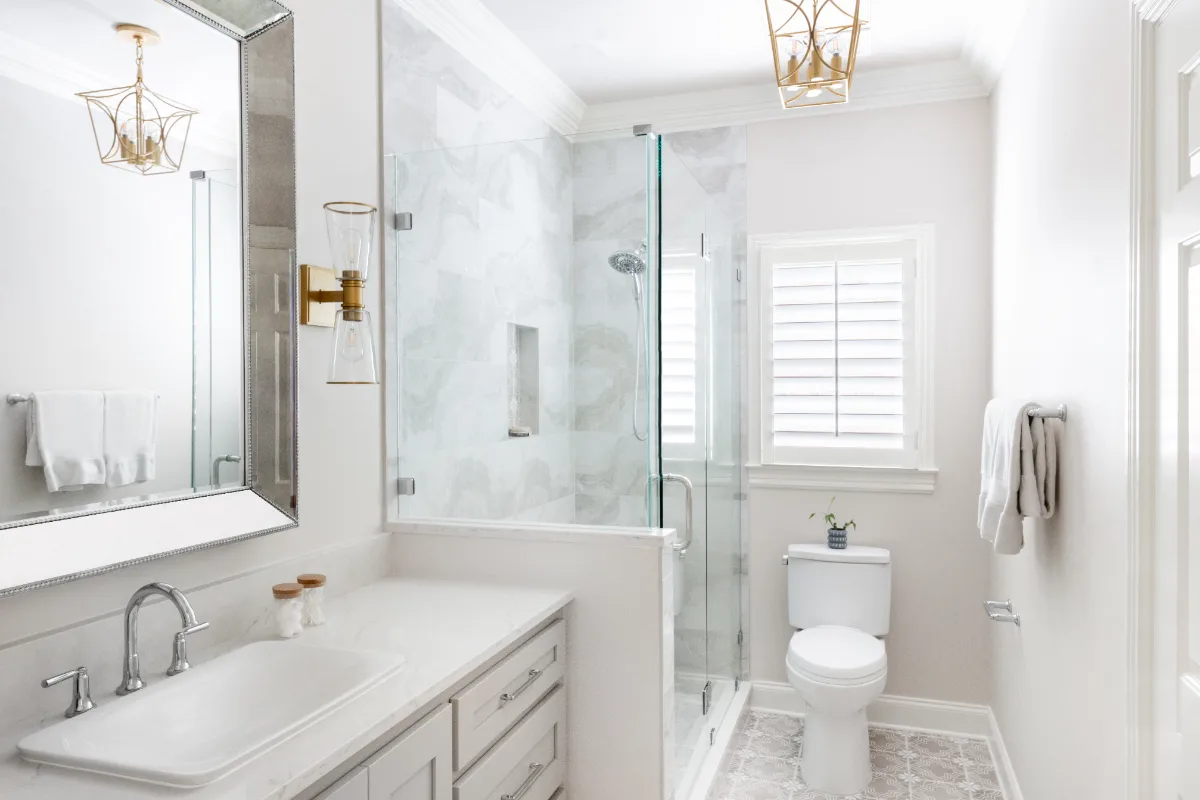
A bathroom remodel in Williamson County represents a meaningful investment that scales with scope, materials and whether plumbing or layout changes are involved. A refresh within an existing footprint sits toward the lower end of that spectrum; a full primary suite reconfiguration with custom cabinetry and natural stone sits toward the higher end. We'll walk through your specific project at your consultation and give you a clear, personalized sense of what to expect.
Plan for a contingency of 15 to 20 percent. Opening walls in older Franklin homes occasionally reveals aging plumbing or wiring that needs attention, a real possibility, not a scare tactic and one best planned for rather than discovered mid-project without a cushion.
Once your budget is set, one of the most valuable disciplines is resisting the urge to change your plan mid-project. A bathroom remodel typically takes about 4 to 10 weeks of construction depending on scope; changes made after construction begins are the most common reason that timeline extends.
Why This Is Easier With One Accountable Team
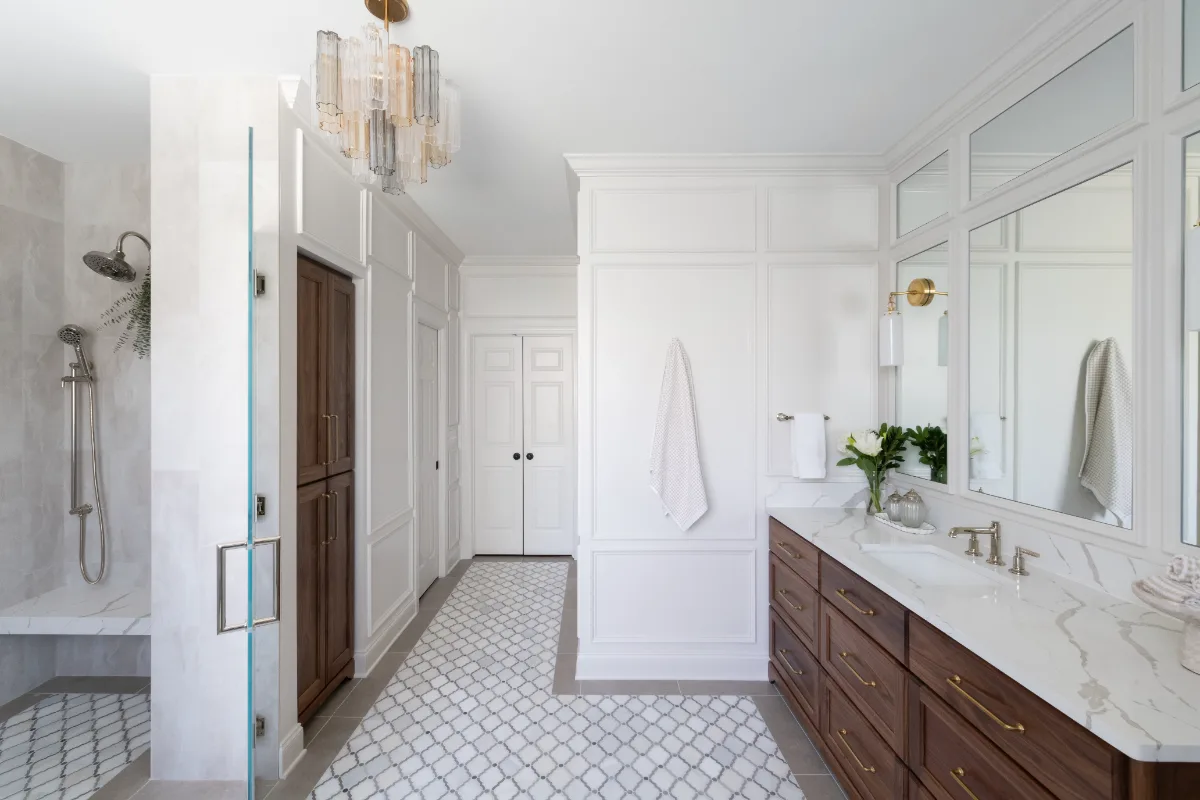
Each question in this guide, space, layout, storage, materials, budget, is easier to answer well when design and construction sit within one accountable company. There's no gap between what gets specified and what gets built, no translation lost between an architect's drawings and a contractor's execution.
At Sebring, we walk through each of these questions with you during Discovery, before any design work begins. By the time we move into material selections, your layout, your storage plan and your budget are already aligned, which helps keep the project on schedule and within the range we set together.
It's time that you love your home, starting with the room you step into each morning.
Explore our bathroom remodel portfolio or learn more about our bathroom remodeling services in Franklin, TN.
Schedule your complimentary consultation. We serve Franklin, Brentwood, Leiper's Fork, College Grove, Thompson's Station and all of Williamson County. Let's talk through your bathroom and what's possible for your space.