Most people can feel the difference between a room that settles them and a room that puts them on edge, even when they cannot fully explain why. You step inside, and something shifts. Your shoulders soften. The pace of your thoughts slows. The space feels like it is working with you rather than against you. That quality of ease is not accidental. It is the cumulative result of design decisions that quietly shape your experience of the home every single day. Our companion piece on the psychology of space explores why some homes just feel better than others.
In a world that rarely slows down, the home has become more important than ever. For families throughout Franklin, Brentwood, and across Williamson County, it is the place where long days are recovered from, where busy mornings find their footing, and where pockets of genuine rest are possible between everything else on the schedule. Yet many homes unintentionally add to the noise instead of absorbing it. Rooms that are cluttered, poorly lit, cramped, or hard to navigate keep the mind alert long after the front door closes.
Calm design reverses that. By giving careful attention to layout and lighting, a home can be shaped into an environment that actively supports well-being rather than competing with it. Flow, visual clarity, natural light, and thoughtful illumination all influence how the nervous system responds to a space. When these elements work together, the home feels grounded, unhurried, and genuinely restorative.
This article explores how layout and lighting reduce stress, why those choices matter in the specific context of a Franklin or Brentwood home, and what it looks like when design takes the daily experience of the people living there as seriously as the finishes they chose.
Why Calm Design Matters Now
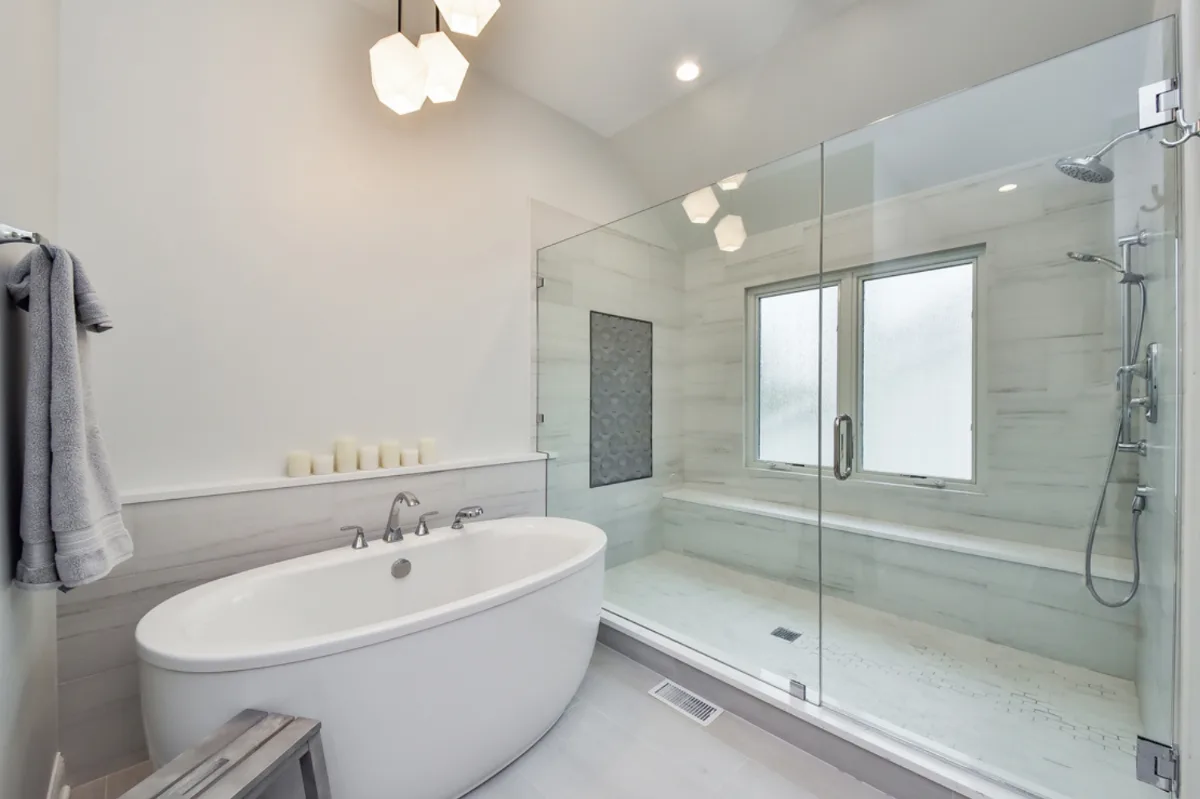
The pace of modern life in Williamson County, as in most places, has become a kind of constant low-grade pressure. Days move from one task to the next without a natural pause. Phones buzz, schedules fill before they empty, and even leisure time gets claimed by errands or planning. Many people arrive home already carrying a tension they cannot quite name, and the space they return to either absorbs that tension or amplifies it.
Some research on the relationship between physical environments and emotional well-being points in this direction, especially in aging-in-place design. Clutter has been linked in some studies to elevated stress markers and anxiety. Poor or inconsistent lighting can disrupt sleep patterns and affect energy throughout the day. A layout that generates small frustrations, a pathway that forces navigation, a kitchen that fights against the natural flow of cooking, may accumulate those micro-stresses into something that shapes mood over time.
A calm home aims to do the opposite. It creates space for the mind to exhale. It can make daily transitions easier, which is one of the most undervalued qualities a home can have. The morning that begins in a well-lit kitchen with a clear counter and a logical flow often starts differently from the morning that begins in the opposite. That difference is design, and it is accessible to any home in Williamson County that is willing to take it seriously.
Layout: The Hidden Force That Shapes Mood
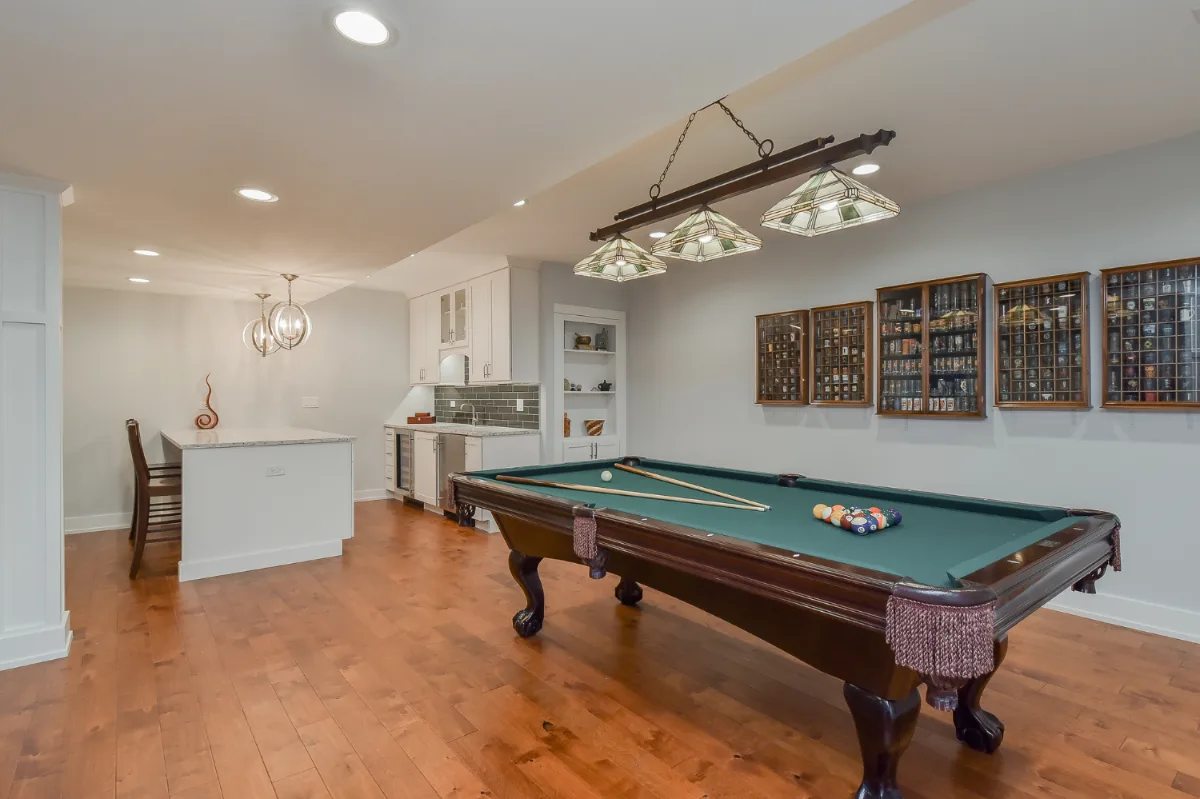
Layout is often thought of as a practical matter: where furniture goes, whether the kitchen is efficient, how the room accommodates daily traffic or when you need to move walls. But layout is also emotional. It guides your eyes, sets the pace of your movement, and shapes your unconscious sense of whether a room is working for you or asking you to work around it. A well-planned layout can lower stress because it creates order, predictability, and comfort without requiring any effort from the person living in the space.
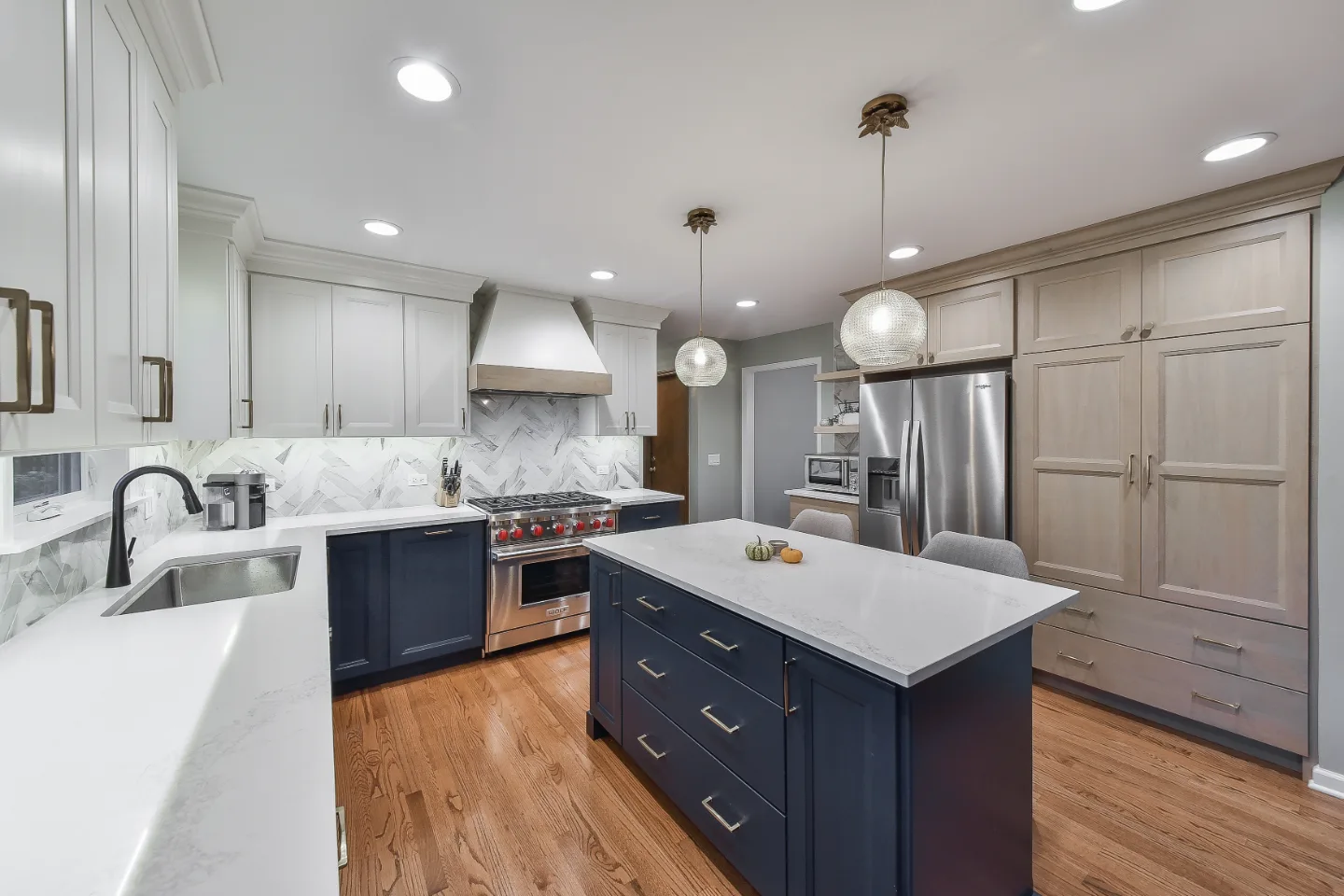
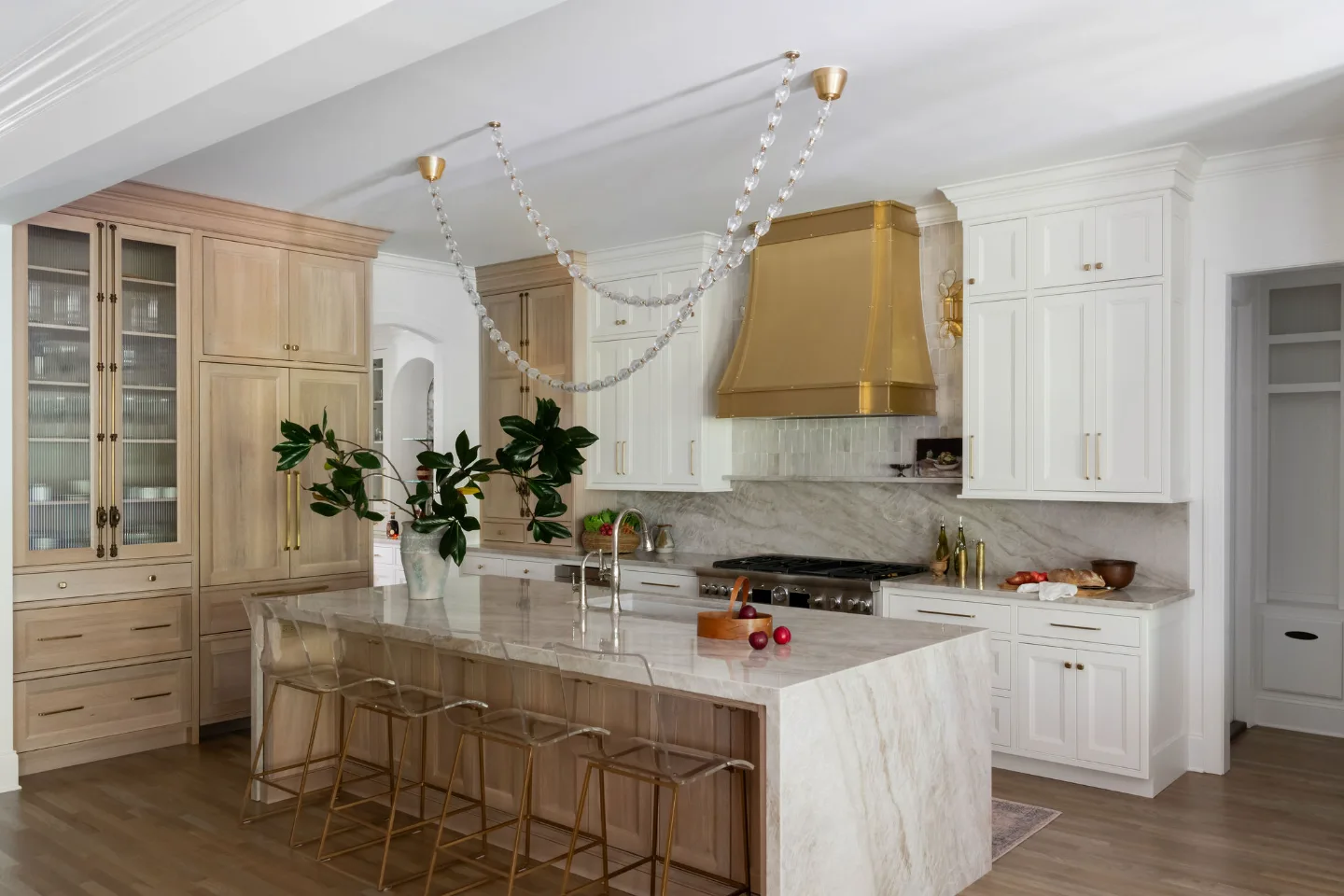
The most immediate way layout affects mood is through flow. When a room has clear pathways and logical transitions between zones, the body moves through it without registering any resistance. When movement is obstructed, even slightly, when furniture crowds a doorway, when the route through a kitchen requires an extra step, the body experiences a small burst of friction. These moments are individually trivial and collectively significant. A kitchen where the sink, refrigerator, and cooktop form a natural working triangle eliminates dozens of those small frictions every day. A living room with an obvious, unobstructed path through it allows the body to move freely rather than constantly adjusting.
Zoning adds another dimension to the emotional quality of a layout. In a home where each area signals its purpose clearly, the mind finds it easier to shift between modes. A workspace that reads as a place to focus, a reading corner that reads as a place to slow down, a primary bath that reads as a retreat, each of these spatial signals helps the nervous system transition rather than carrying the tension of one activity into the next. For families in Franklin, Brentwood, and Cool Springs, where the home often serves as workplace, classroom, and social environment on the same day, this kind of intentional zoning is particularly valuable.
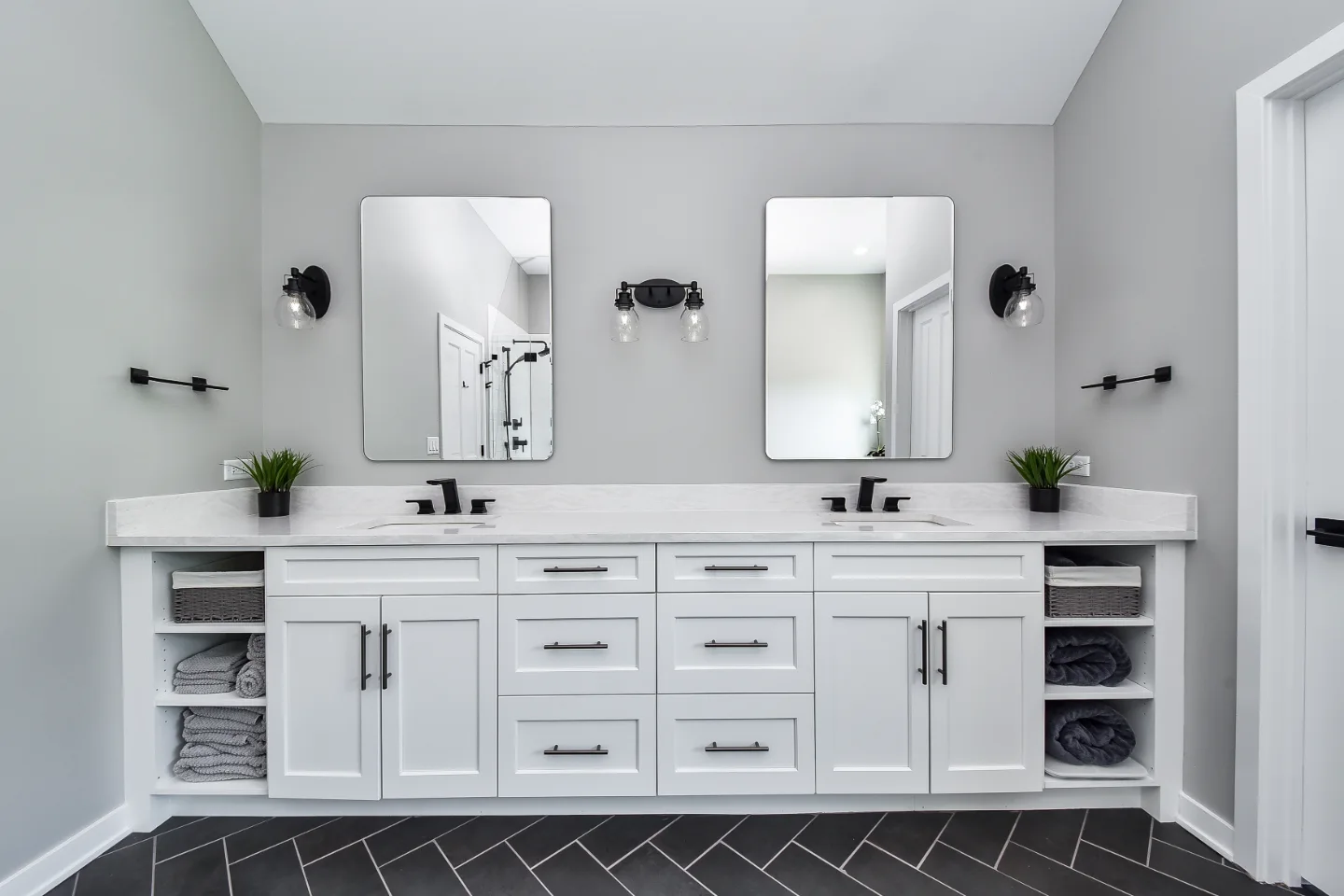
Visual noise is one of the most consistent stress contributors in a residential interior, and one of the most underestimated. The brain processes everything within its field of view, which means an overloaded shelf, a cluttered countertop, or a surface with too many competing elements can generate cognitive load whether the homeowner notices it or not. Removing visual noise does not simply make a room look cleaner. It can reduce the mental effort required to occupy it. The room often feels calmer even when nothing else has changed. This is important when remodeling for a timeless look.
"The layouts that our clients respond to most strongly are the ones where the house seems to know where you're going," says Bryan Sebring, CGR. "When flow, zoning, and visual clarity are resolved together, you don't think about the layout at all. You just feel at ease in the room. That invisibility is the goal."
Lighting: The Mood Setter That Works Around the Clock
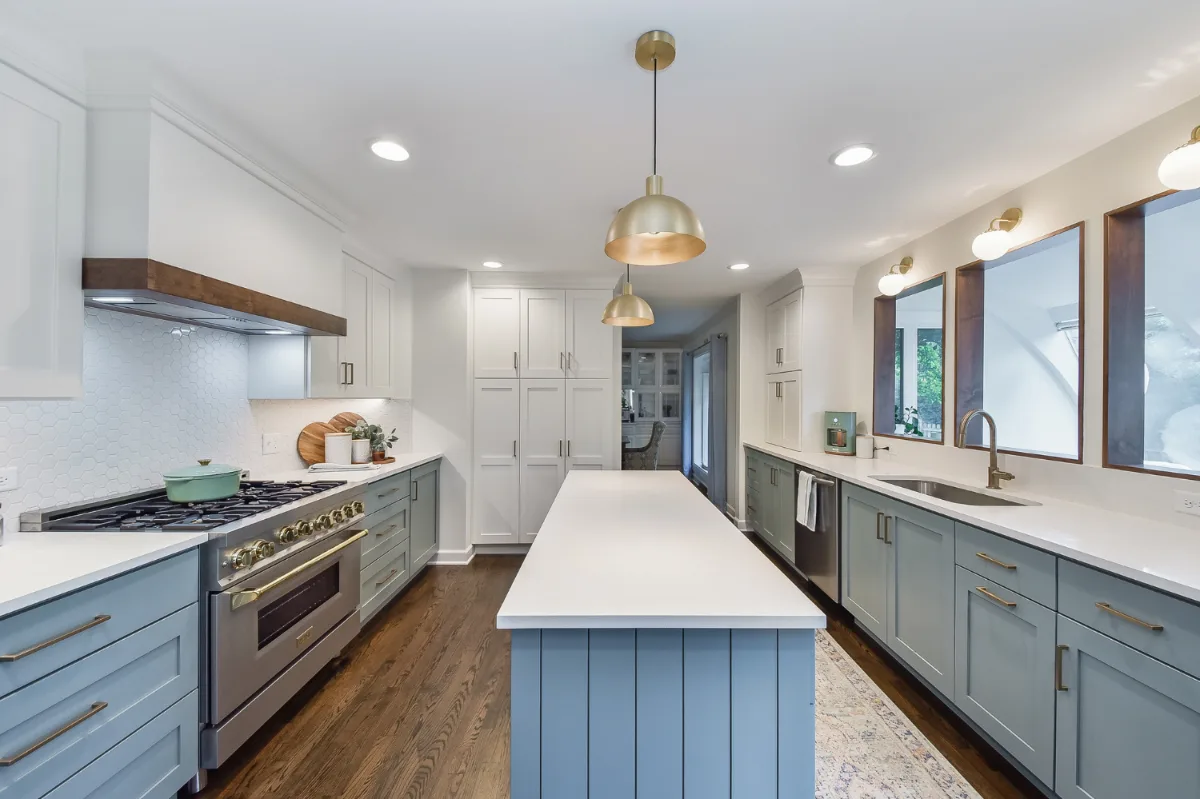
Lighting shapes the emotional quality of a room in ways that most homeowners feel but rarely consciously attribute to design choices. It can influence circadian rhythms, hormone production, alertness, and the body's readiness to rest. It also sets tone in a way that no other single element in a room does, which is why the same space can feel like a place of focus at one hour and a place of genuine rest at another, simply by adjusting the light.
Natural light is the foundation. Sunlight helps regulate the sleep cycle, supports serotonin production, and creates the quality of openness that no artificial source fully replicates. Rooms in Franklin and Brentwood homes that receive generous natural light through well-placed windows and thoughtfully chosen window treatments often feel more alive during the day. Where direct sunlight is limited, sheer linen curtains, lighter wall colors, and reflective surfaces can distribute available daylight further into the room. Daylight-simulating bulbs in task areas can support a healthy daily rhythm during hours when natural light is low.
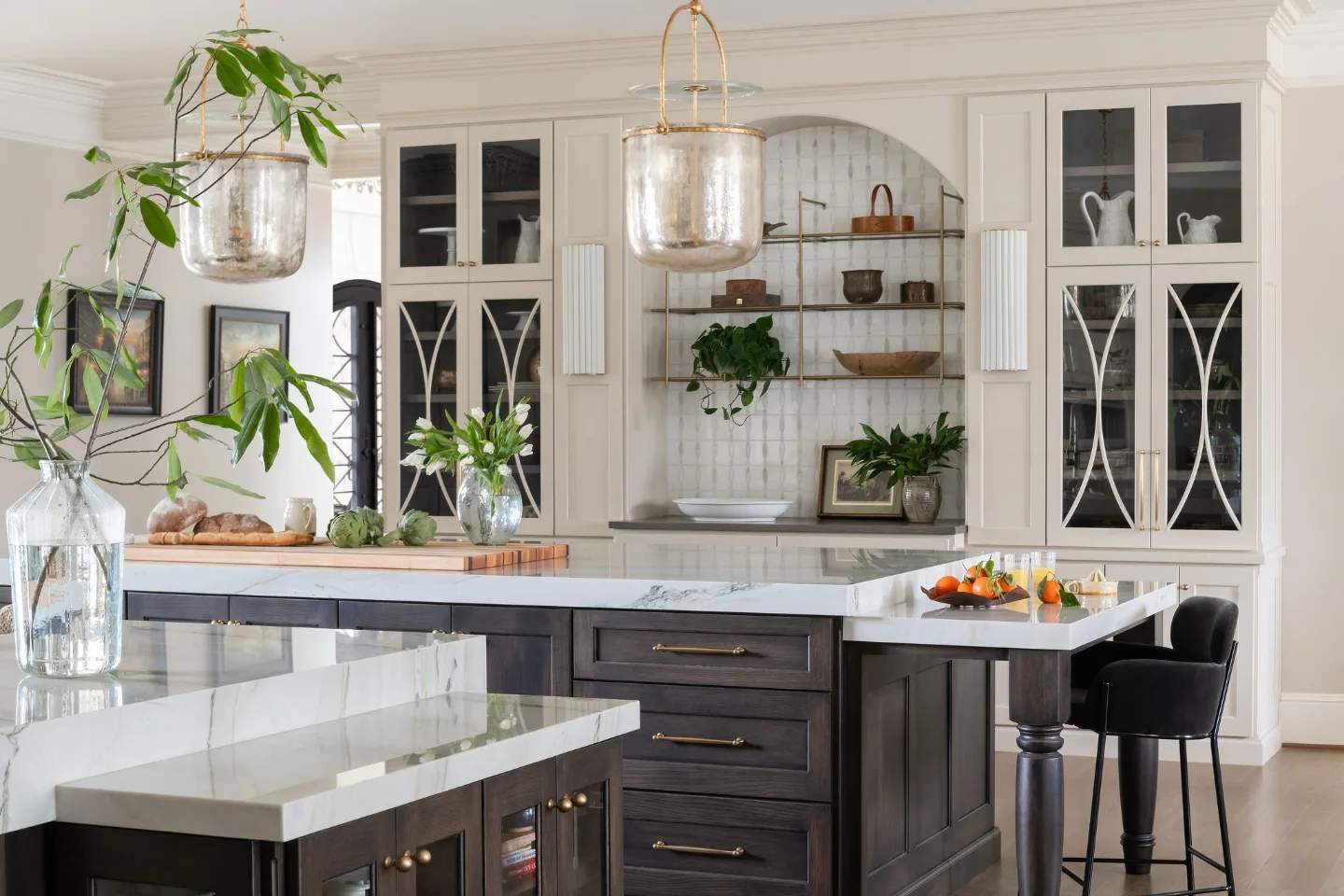
Our guide to lighting layers covers this concept in more depth. Layered artificial lighting builds on that natural foundation. A single overhead fixture asks too much of itself and delivers too little. Ambient lighting handles overall brightness and establishes the baseline character of the room. Task lighting focuses attention precisely where function requires it: over the kitchen counter, at the vanity mirror, beside the reading chair. Accent lighting introduces depth by highlighting architecture, art, or the texture of a natural material. Decorative lighting adds warmth and personality. When these layers coexist in balance, the eye relaxes in a way that a single-source room rarely allows.
Color temperature is one of the variables that most directly shapes emotional tone. Warm light, in the range of 2700 to 3000 Kelvin, produces the quality of amber associated with candlelight and late-afternoon sun. It tends to feel calming and is flattering to natural materials: honed stone, linen, warm oak, aged brass. Cooler light in the range of 3500 to 4000 Kelvin produces clarity and focus, which suits kitchens and home offices during active hours. The right color temperature in the right context creates an environmental cue the body often follows.
Dimmers give the homeowner direct, immediate control over those cues. Lowering lights in the evening can signal the body to slow down. Raising them in the morning supports the transition into the day. This simple mechanism adds a layer of emotional versatility to every room, allowing the space to function as both an energizing and a restorative environment depending on what the moment requires.
When Layout and Lighting Work Together
The strongest impact on daily emotional experience happens not when layout and lighting are each well designed but when they function as a coordinated system. A primary bedroom with clear pathways, thoughtfully chosen materials, and warm layered lighting on dimmers becomes a retreat in the fullest sense. A kitchen with an efficient work triangle, generous countertop visibility, and bright task lighting on the work surfaces makes the morning feel manageable rather than frantic. A living room arranged for natural conversation and supported by ambient and accent lighting becomes a grounding space for the family at the end of the day.
These combinations work because layout establishes the physical ease of a space and lighting establishes its emotional tone. Neither element fully succeeds alone. A well-laid-out room with harsh or poorly considered lighting still creates friction. A beautifully lit room with a confusing layout still keeps the body on alert. When both are resolved together, the result is a home that requires less conscious management. It can simply feel like a place where rest is possible, which is what a thoughtfully considered home in Franklin and Brentwood feels like when everything has been thought through together.
Small Changes That Make a Meaningful Difference
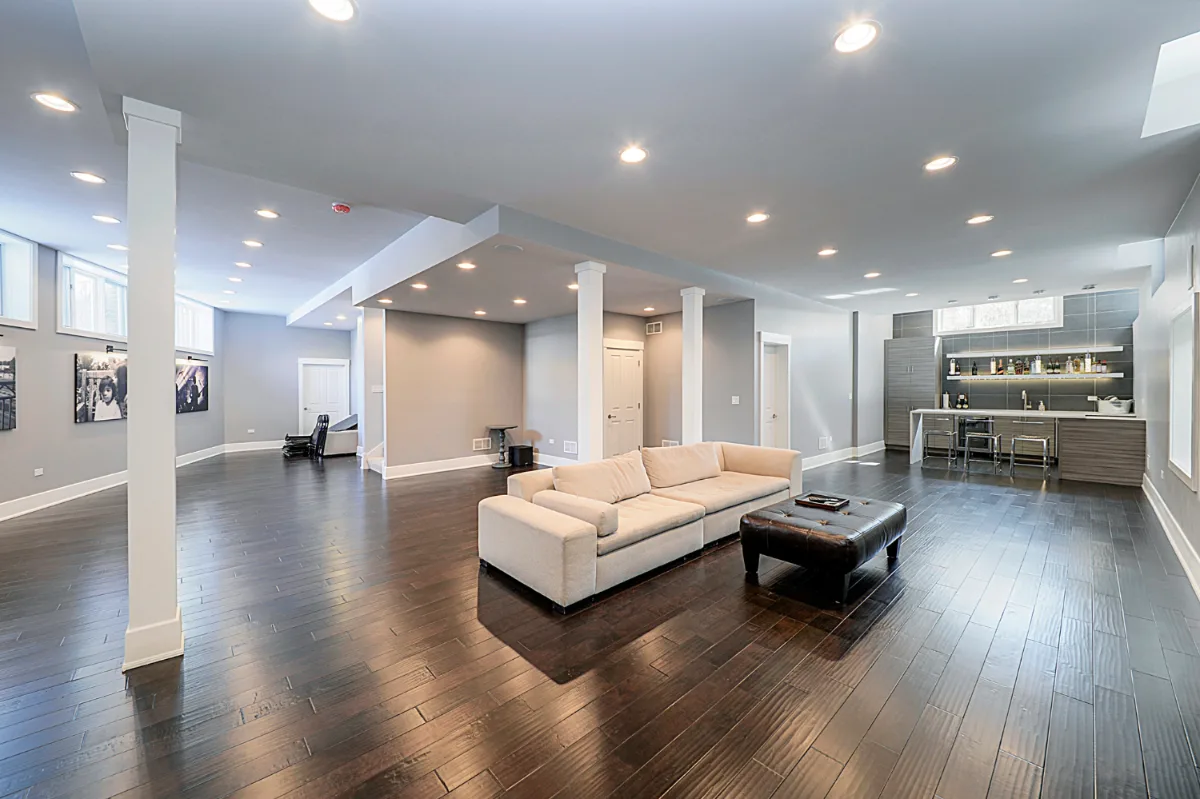
A calmer home does not always require a full remodel. Some of the most immediately felt improvements come from a single intentional decision rather than a comprehensive plan, and understanding what those decisions are allows any homeowner to begin regardless of where they are in the remodeling process.
Our guide to why storage should be designed, not added covers a related way to reduce visual noise permanently. Removing one piece of furniture that has been crowding a room can open the space more dramatically than any decorative addition. Clearing a countertop of everything that does not belong there reveals the quality of the stone or wood beneath it and can lower the visual noise level of the room immediately. Replacing a single harsh overhead fixture with a warmer lamp can shift the evening atmosphere of a living room or bedroom in a way that feels almost physical. Swapping mismatched bulbs across a room for a consistent warm-toned LED set transforms the coherence of the lighting with no structural change at all.
These improvements suggest that calm design is a discipline of intention more than one of investment. Every considered choice that reduces friction or visual noise, that clarifies flow or improves a lighting layer, contributes to a cumulative sense of ease that can build over time. In Williamson County homes, where kitchens and baths often receive the most design attention, extending that same level of care to the way light moves through the main living spaces and the way those spaces flow between each other often produces some of the most noticeable shifts in how the home feels day to day.
Designing Calm Into Every Choice
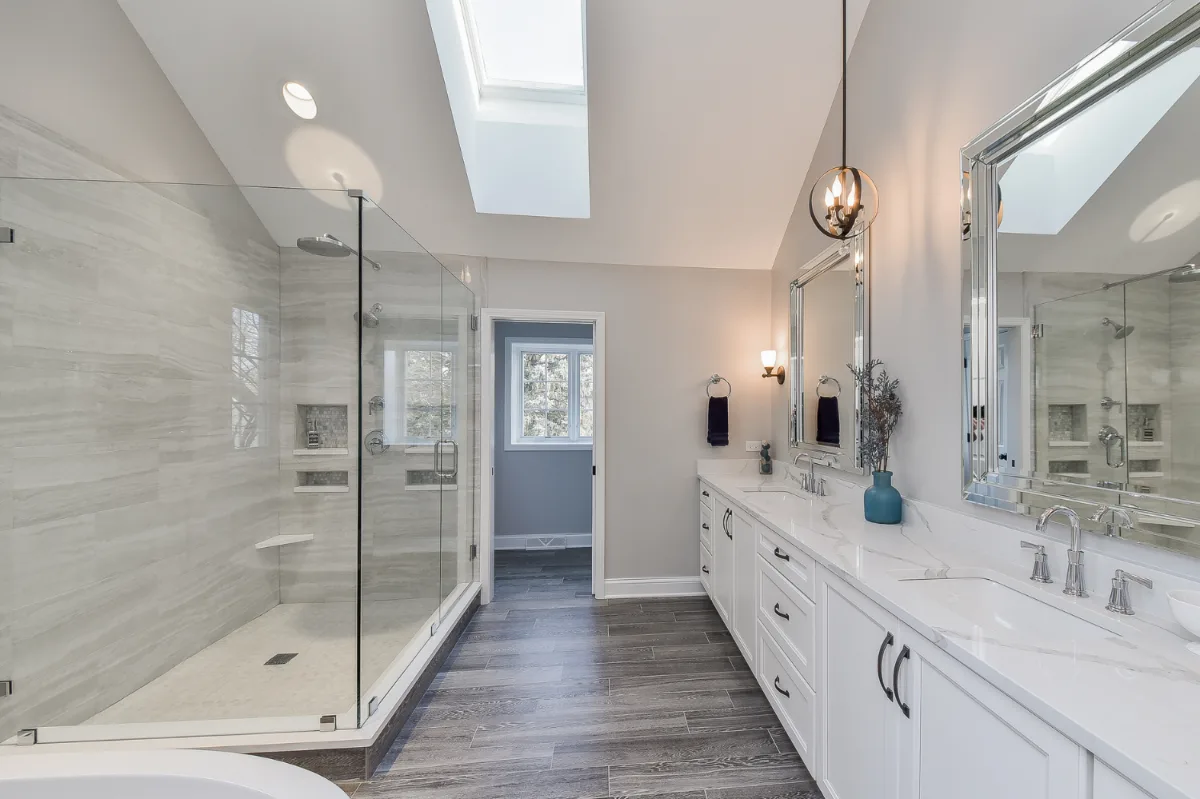
A calm home is not the result of one good decision. It is the result of many decisions made in relationship to each other: the layout that creates flow, the lighting that shifts with the day, the material palette that reflects light warmly, the storage that keeps surfaces clear, the ceiling height that allows the room to breathe. When these elements are resolved together, the home can require less management and provide more genuine support for the people living in it.
That quality of support is what Sebring Design Build brings to remodeling projects throughout Franklin, Brentwood, Leiper's Fork, and across Williamson County. From the layout decisions made before a single wall moves to the lighting plan designed before permits are pulled, every choice is made with the experience of daily life in mind. Not just how the finished space will photograph, but how it will feel to wake up in on a Tuesday in February when the schedule is full and the day has not started well.
It is time that you love the way your home makes you feel. If you are ready to design a space that calms you rather than one that asks you to manage it, we would love to begin that conversation. Schedule your complimentary consultation with Sebring Design Build and let us show you what a thoughtful home remodel in Franklin, TN can feel like from the first morning forward. Explore our portfolio of finished projects.