Remodeling a home in Franklin or Brentwood is one of the most significant investments a family makes, in money, time and trust. It is not simply about updating finishes or opening a wall. It is about shaping the way a household will live for years to come, and about creating spaces that feel genuinely right rather than temporarily fashionable.
This is where many homeowners face a real challenge. Everywhere you look, design blogs, social media, television, there are ideas that feel exciting and current. A tile pattern that has taken over one renovation account after another. A paint color that appears on countless must-have lists. A cabinetry finish that seems to be everywhere at once. The pull of these trends is real, because they promise instant style. The problem is that trends are temporary. What feels cutting-edge today often reads as dated within a few years. Shag carpeting from the 1970s, glass-block walls from the 1980s and Tuscan kitchens from the early 2000s were all considered stylish in their time. Now they are cautionary examples of how quickly a design decision can age a home.
The alternative is not a cautious, colorless space. It is a considered one, built on materials and principles that have earned their place over decades rather than seasons. This guide explores how Franklin and Brentwood homeowners can approach a remodel with confidence, creating spaces that feel beautiful and personally expressive today and remain that way for the life of the home.
Why Trends Don't Last
Design trends move through the residential market the way fashion moves through retail: quickly, completely and with enormous conviction about their own longevity. What saturates design publications and social media feeds one year is being called dated five years later. Barn doors, open-shelf kitchens, shiplap walls and certain paint colors have all followed this arc with remarkable speed.
The consequences for homeowners who remodel on a trend's momentum are twofold. The first is resale risk. A buyer who walks into a home and immediately identifies a specific trend from a specific era sees not a beautiful home but a project, something that will need to be updated before it feels like theirs. The second consequence is remodel fatigue. The homeowner who installs a finish that reads as current in the year of completion may find themselves wanting to redo it years before the materials have actually worn out, simply because the design feels out of step with how they want their home to feel.
Timeless design sidesteps both of these problems by choosing materials and forms that do not depend on the moment for their appeal. They were beautiful before the current trend cycle began. They will be beautiful after it ends. That quality of independence from fashion is what makes a remodel an enduring investment rather than a temporary one. Our guide to adding lasting value to your home covers this principle from the investment side.
The Foundation of Timeless Design
Timeless design is not the absence of personality. It is the presence of good judgment applied consistently across each decision. A space built on timeless principles reads as welcoming and balanced regardless of when it was completed, because its appeal is grounded in things that human beings have found beautiful across generations rather than in the visual language of a particular moment.
The first foundation is a neutral palette. Color establishes the tone of each room, and the colors most susceptible to dating are the ones most specific to a particular era. The avocado green kitchens of the 1970s and the terracotta walls of the late 1990s were not neutral choices, and their era is now inseparable from their appearance. Warm whites, soft off-whites, aged linens and the natural tones of wood and stone are the palette choices that have remained relevant through each design cycle because they do not belong to any of them. They provide a canvas that allows the room to evolve through paint, textiles and accessories rather than requiring structural remodeling to remain current.
The second foundation is material quality. Natural stone, solid wood and genuine metals earn their place in a home not through trend but through performance. Honed quartzite develops warmth and character over years of use. White oak flooring ages into something more beautiful than it was on installation day. Unlacquered brass hardware develops a patina that polished alternatives cannot replicate. These materials have appeared in the finest homes for centuries because they reward the investment rather than diminishing it.
"The question we ask before specifying any material is whether it would have read as beautiful twenty years ago and whether it will read as beautiful twenty years from now," says Bryan Sebring, CGR. "If the answer to both is yes, it belongs in the design. If it only reads as current today, it probably belongs on a trend list, not in a remodel."
Balanced proportion is the third foundation, and it matters just as much in aging-in-place design. Trends often express themselves through exaggeration: oversized islands, ultra-minimal fixtures pushed to their absolute extreme or decorative details scaled far beyond what the room actually requires. Timeless spaces are proportioned in response to the room they occupy. The island is sized to serve the kitchen. The millwork profile is chosen to complement the architecture of the house. The hardware scale relates to the cabinet door, not to what is currently appearing in design publications.
Function anchors everything else. A space that works well for the people living in it rarely feels outdated, because its design reflects lived experience rather than visual aspiration. Clear traffic flow, adequate storage, lighting that supports both task and rest, layouts that accommodate how the family actually moves through the home, all of these functional choices produce an enduring quality that no purely decorative decision can replicate.
A Room-by-Room Guide to Timeless Remodeling
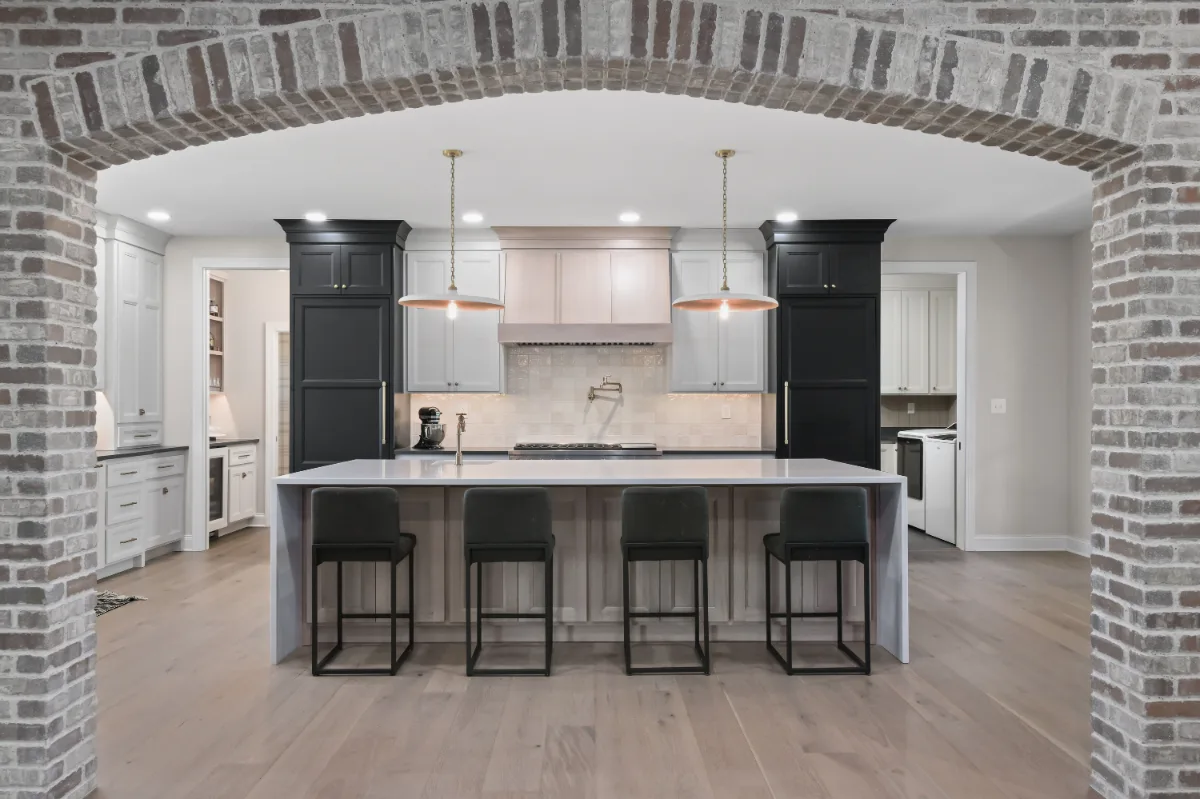
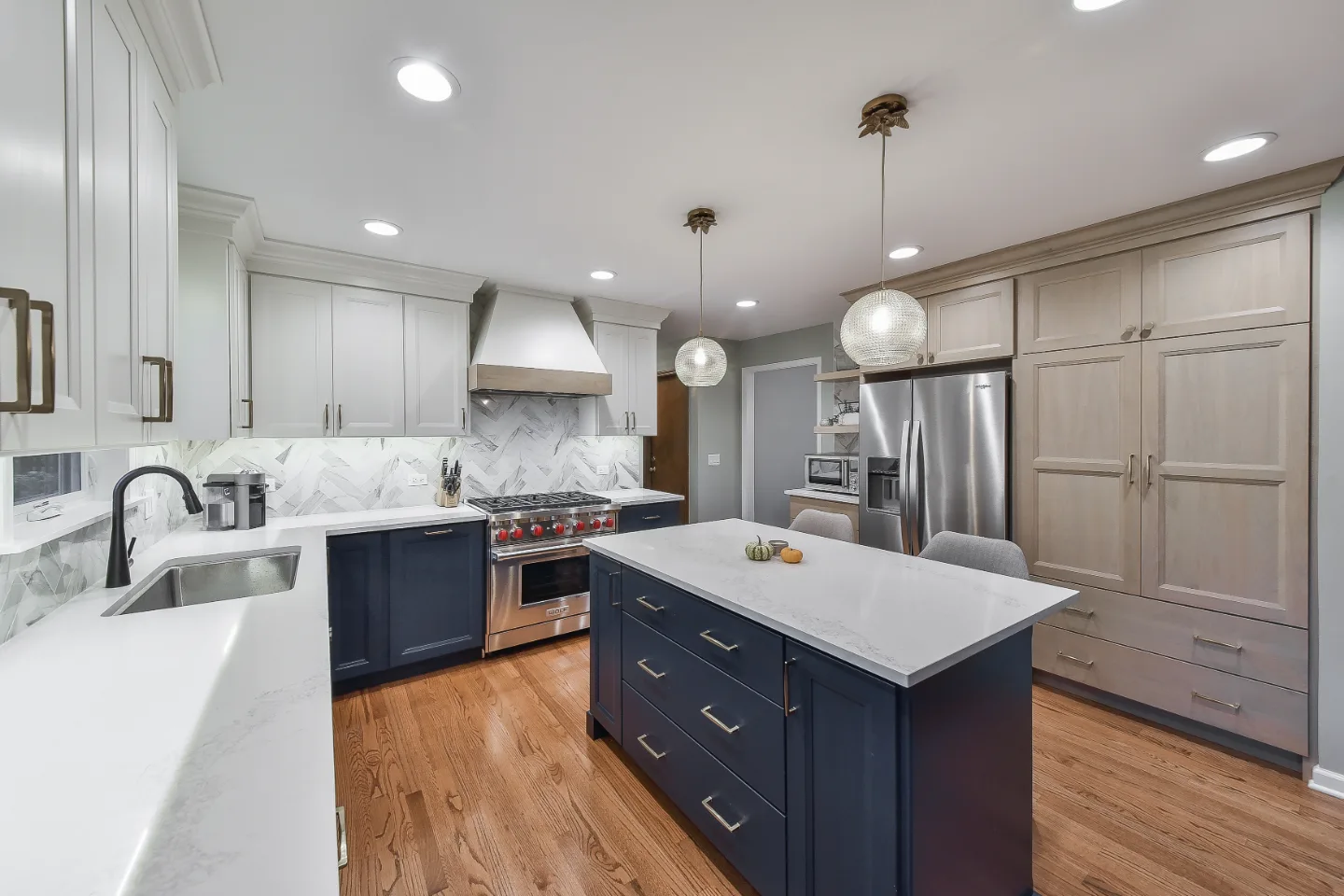
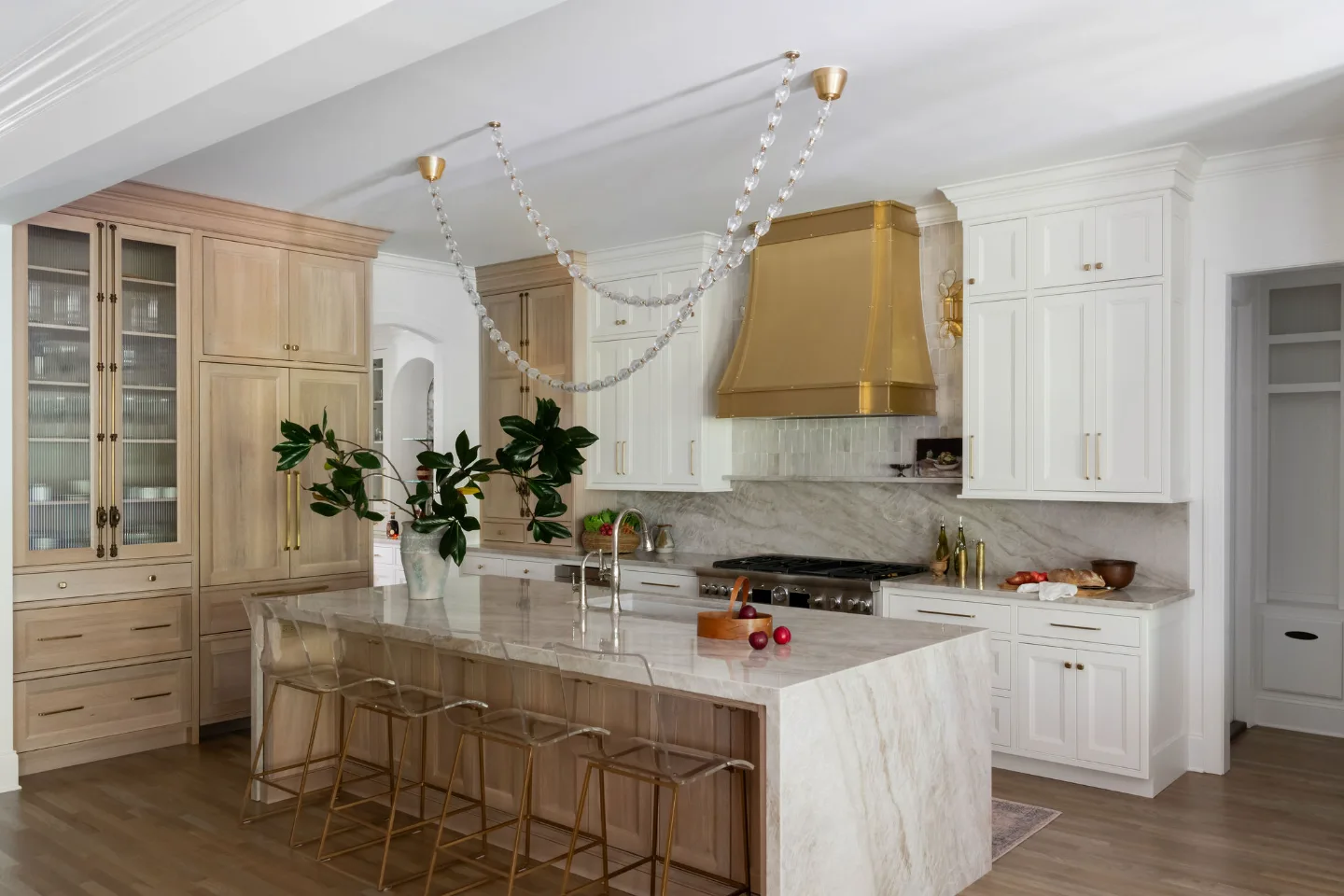
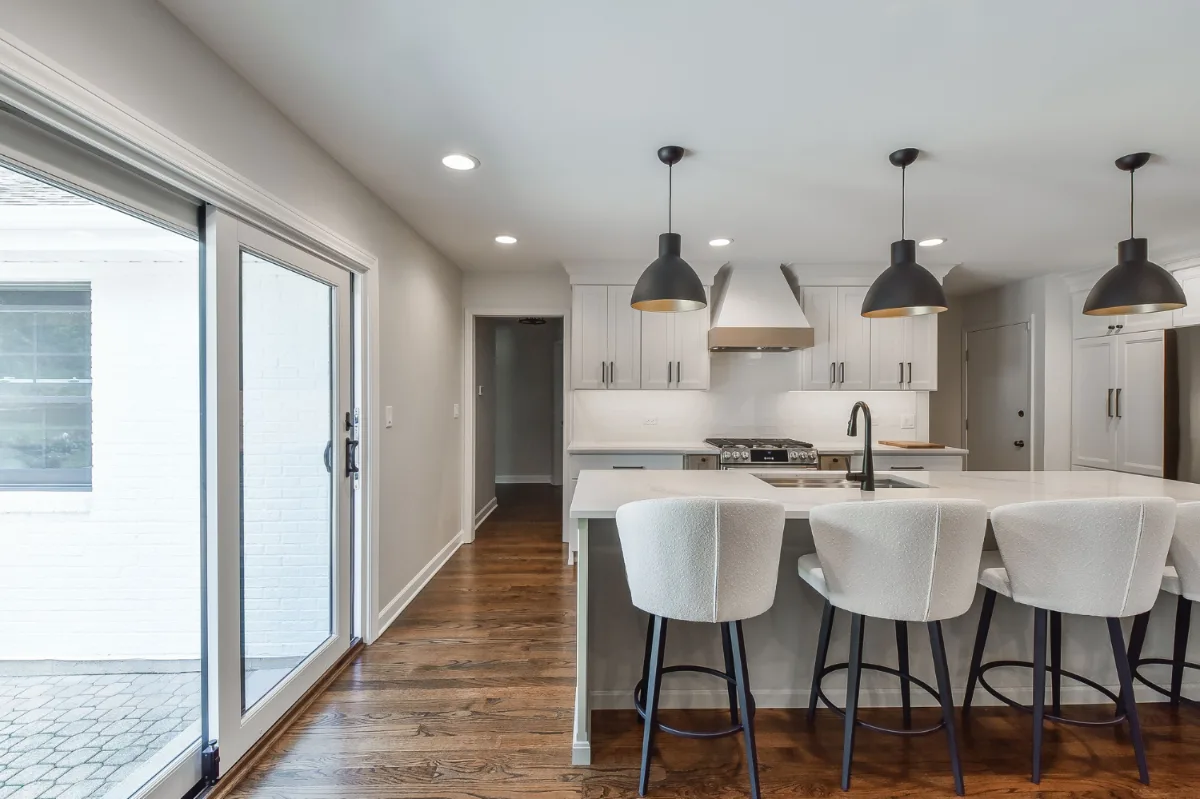
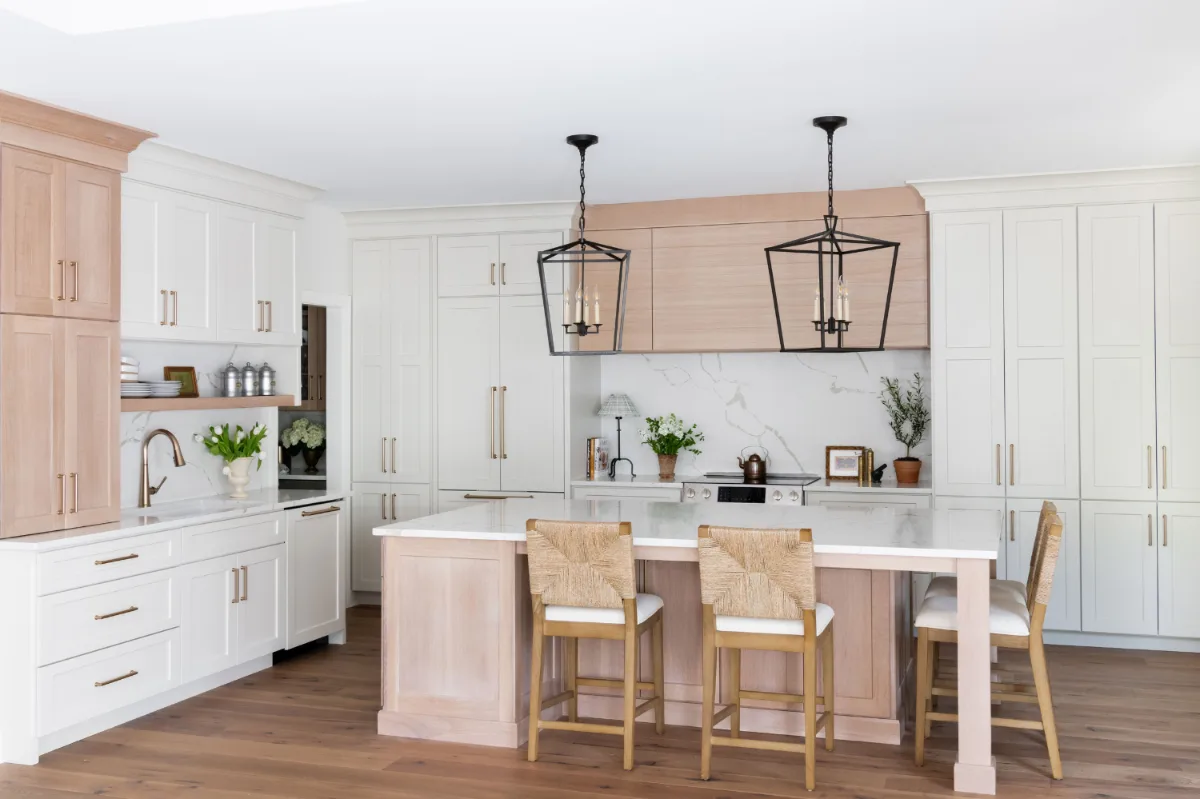
In the kitchen, the choices most likely to endure are the ones grounded in material quality and simple form rather than fashionable finish. Shaker-profile cabinetry in painted white oak has been a relevant choice across multiple decades because its form is clean enough to read with any surrounding palette, and because painted white oak ages gracefully without becoming a statement in itself. Honed quartzite countertops in a soft white or warm grey deliver the natural material quality that trend-chasing engineered surfaces attempt to imitate, while actually improving over time. Subway tile in a classic brick layout remains a staple backsplash choice because it reads as architectural background rather than as a statement, and because it complements rather than competes with each surrounding material. Recessed lighting on dimmers and understated pendants over the island handle the functional lighting requirement without staking any claim to a particular aesthetic moment.
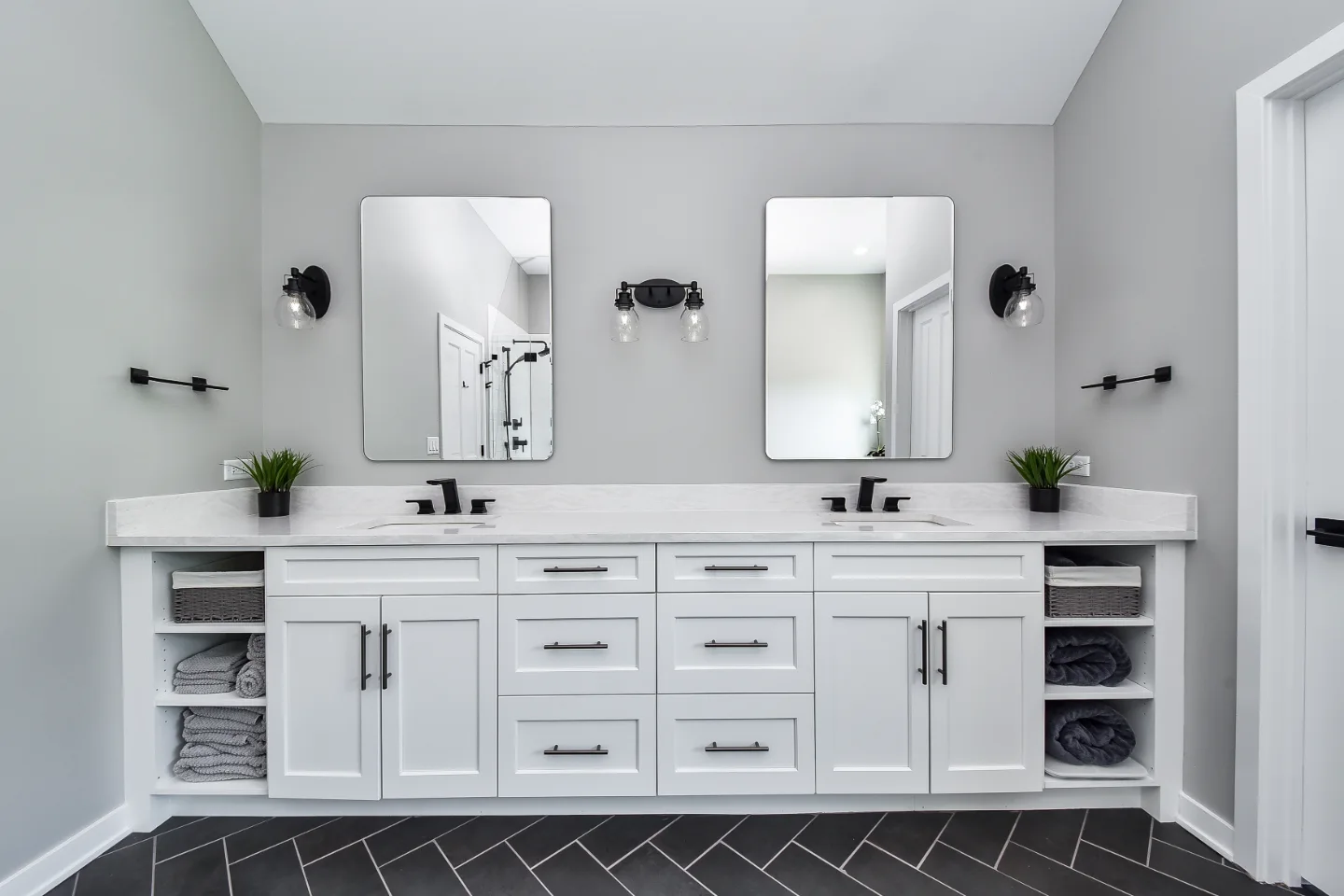
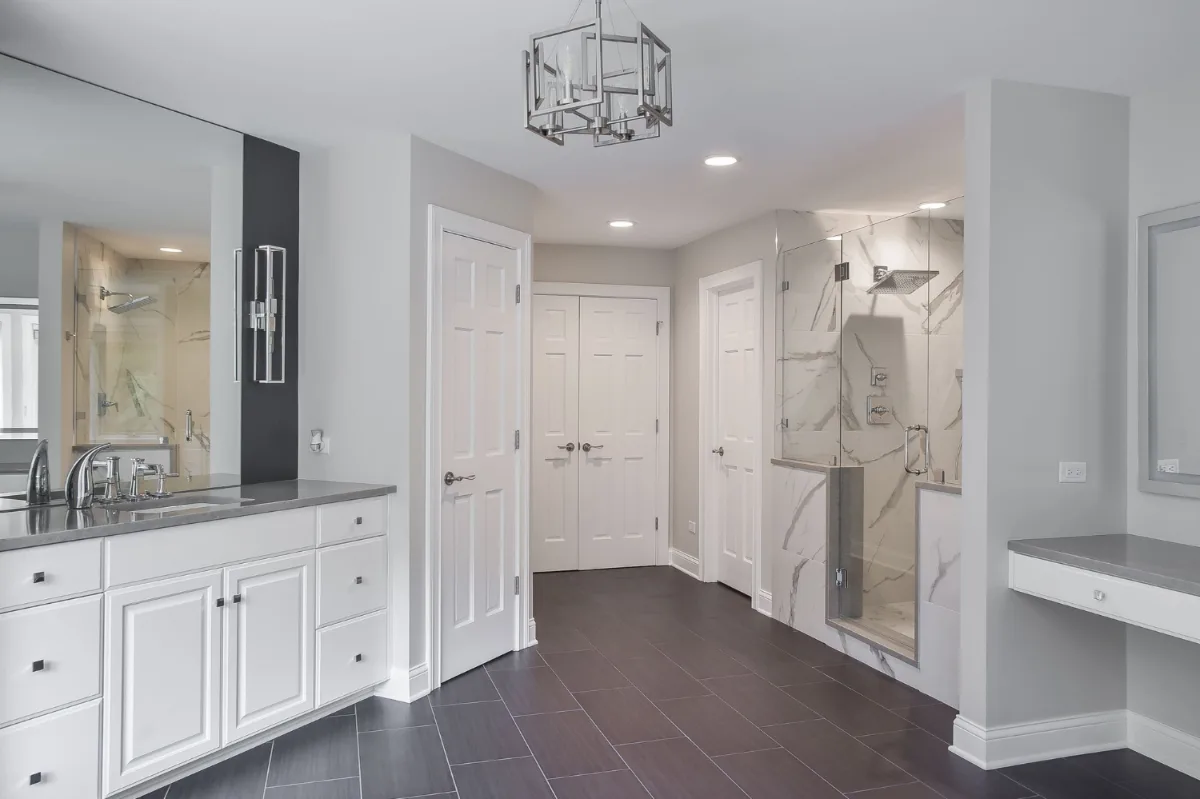
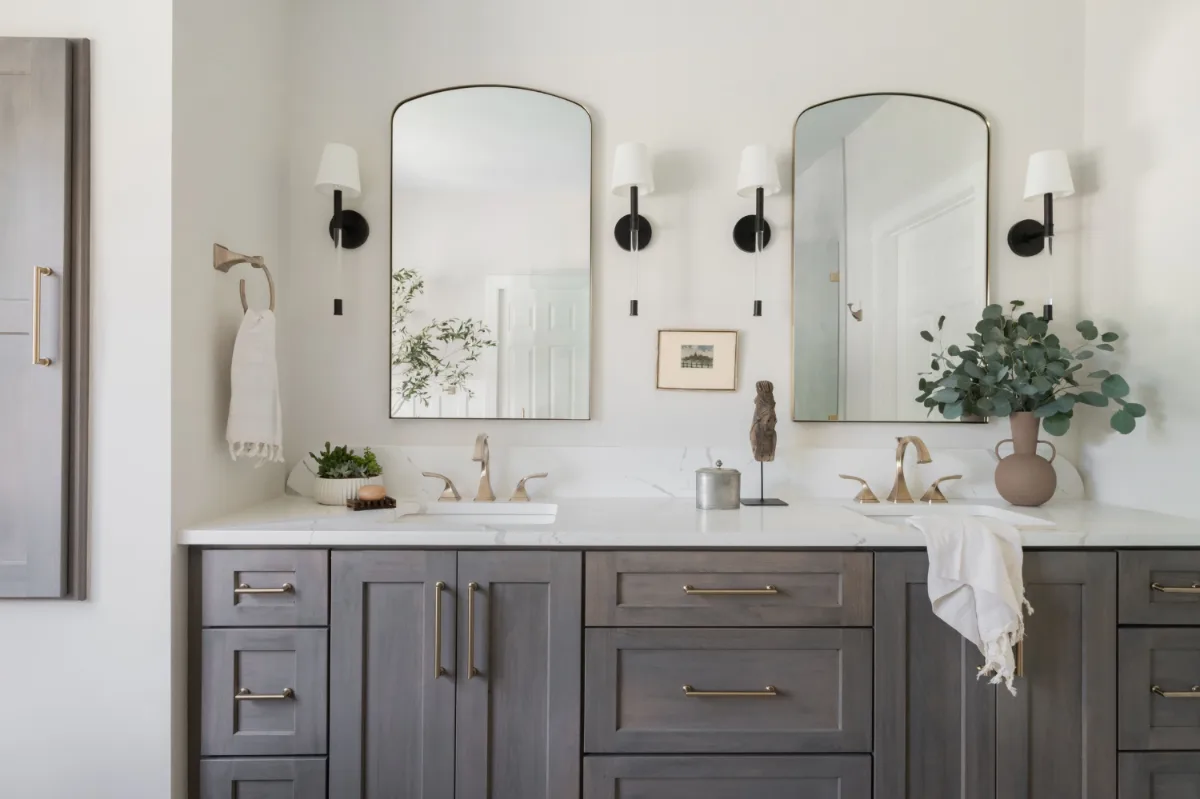
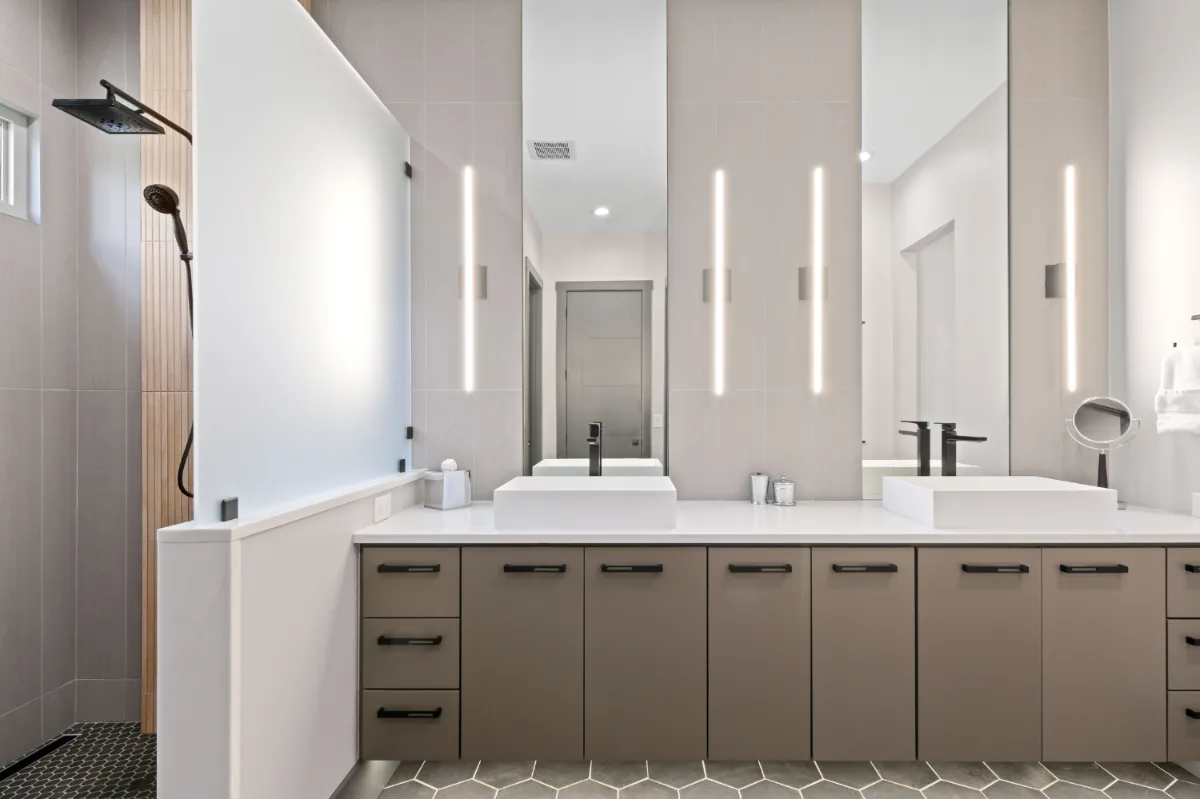
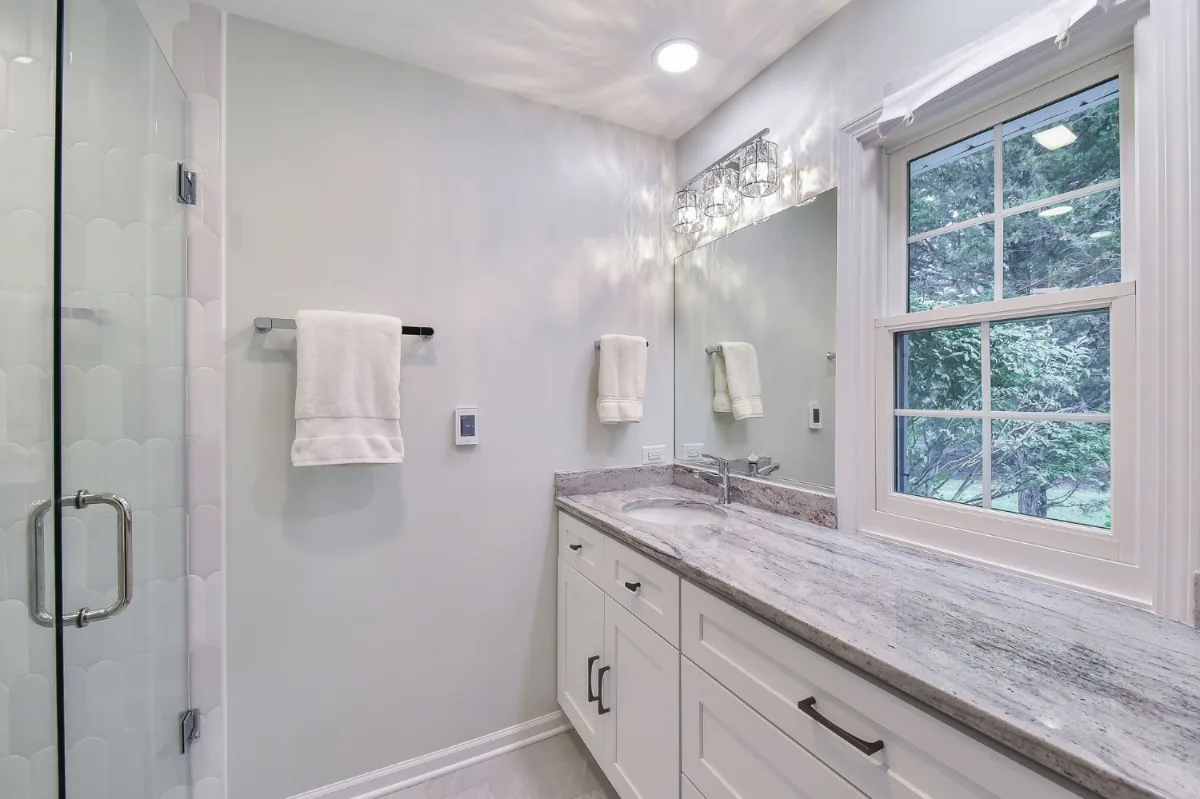
In the bathroom, timeless results come from simplicity at the material level and generosity at the functional level. Large-format honed marble or quartzite tile on the floors and shower walls produces a seamless, calm surface that reads as refined without reading as dated. A floating vanity in painted cabinetry with a honed stone countertop and fixtures in polished nickel or unlacquered brass delivers the material quality that holds up over time and ages into something better than it started. Walk-in showers, double vanities in primary baths and generous storage are functional investments that have stayed relevant because they address real needs rather than aesthetic preferences.
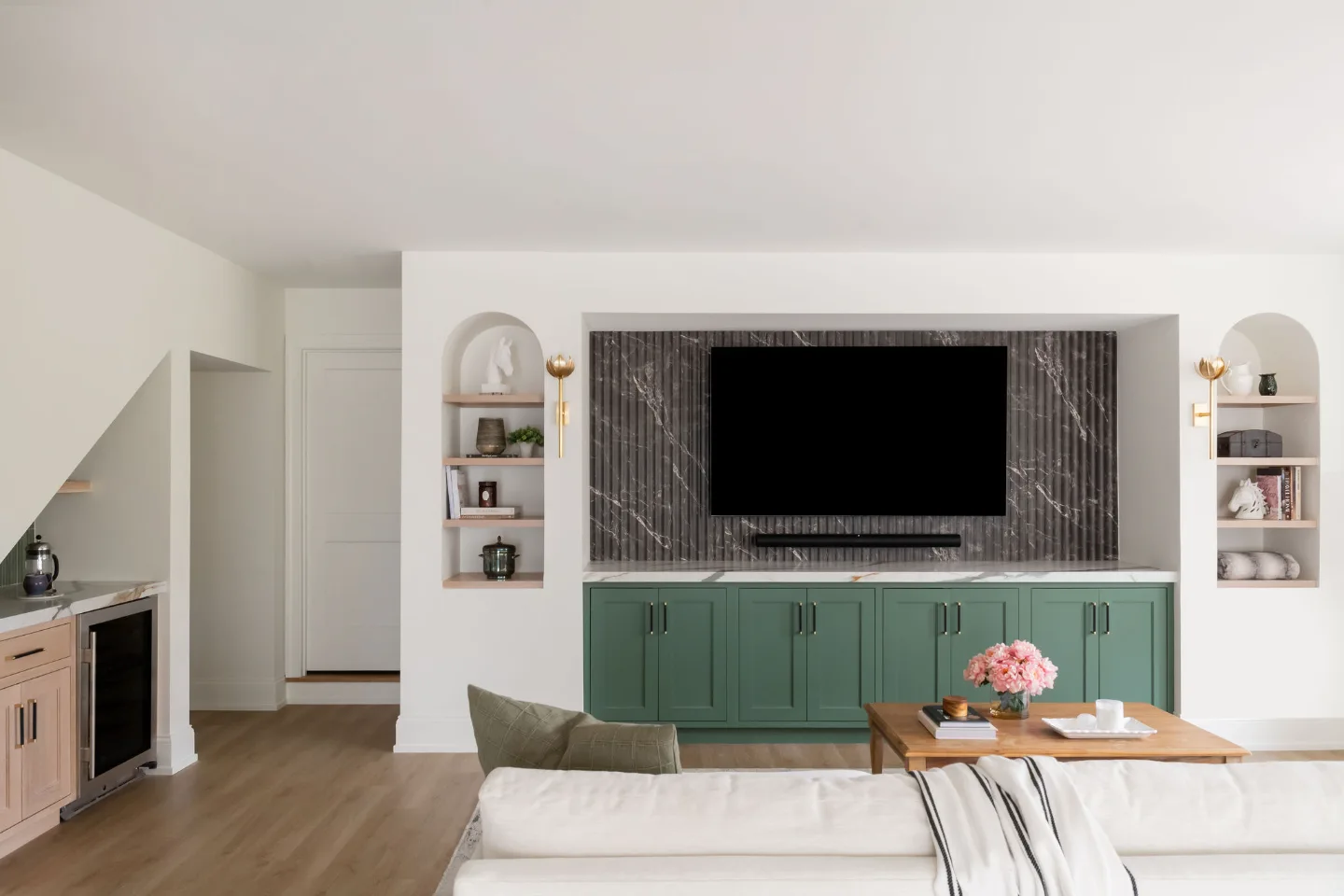
Living spaces built for longevity begin with the floor. Wide-plank white oak or warm-toned hardwood in a natural or lightly brushed finish creates the warm, honest material base that anchors everything above it. Neutral walls in warm white or soft linen provide the background that allows furniture, art and textiles to shift as tastes evolve without requiring the walls to be repainted as part of each update. Before committing to finishes, it is worth knowing when to move walls and when to work with what you have. Built-ins designed with clean profiles and proportioned to the room add architectural quality without specific stylistic commitment.
In bedrooms, the palette choices most likely to endure are the ones that produce genuine rest. Warm whites, soft taupes and natural textures in linen and wool layered on simple, well-proportioned furniture create the calm that a bedroom is supposed to provide. Millwork in a classic profile adds character without declaring a specific decade. Window treatments in quality fabric and a traditional format handle natural light without becoming a design statement.
Timeless Kitchen Design: The Choices That Last
A timeless kitchen design rests on a handful of choices that have held up for generations. Cabinetry in a Shaker or inset profile, painted in a warm white, cream or soft neutral or finished in natural white oak, reads as current in almost any decade. Honed natural stone such as quartzite or marble ages with grace rather than looking worn, and a simple backsplash, a classic subway or handmade zellige tile or a full-height stone slab, stays in the background instead of announcing the year it was installed.
The details finish the picture. Unlacquered brass or polished nickel hardware, panel-ready appliances that disappear into the cabinetry, a range hood in plaster or wood, and lighting layered with recessed fixtures and simple pendants all support the room rather than defining it. Proportion matters as much as material: an island sized to the room, hardware scaled to the doors and clear walkways keep the kitchen feeling right for years. Our guides to kitchen cabinet styles and modern vs. traditional kitchens go deeper on style.
How to Spot a Fad Before It Fades
Learning to distinguish between a trend and a lasting design direction is a skill that becomes easier with practice, and there are a few consistent tests that help.
One reliable test is historical longevity. If a design element has appeared in beautiful homes across multiple decades, in different countries and across different architectural styles, it has demonstrated that its appeal is not contingent on a particular cultural moment. Subway tile, Shaker cabinetry, honed stone and wide-plank hardwood all pass this test. A color that appeared suddenly in kitchen after kitchen on social media last year has not yet had the opportunity to prove itself by this standard.
Practicality is a related test. Trends often sacrifice function for visual impact, which is why they tend not to outlast the lifestyle shifts that follow the moment of their peak popularity. A design element that makes daily life more efficient or comfortable earns its permanence through use rather than through fashion. One that exists primarily to make a visual statement in a photograph tends to reveal its limitations over the course of actual habitation.
Versatility is the third test. A material or form that reads at home across multiple design languages, paired with warm or cool tones, in traditional or contemporary architecture, modern or classic furniture, has demonstrated a kind of design neutrality that trends typically lack. Trends narrow the context in which they work. Timeless choices expand it.
Personalization Without Chasing Trends
The fear that avoiding trends will produce a generic or impersonal space is understandable but unfounded. The timeless approach does not ask a homeowner to eliminate personal expression. It asks for a different strategy about where that expression lives.
The distinction is between the permanent and the flexible. A remodel's architectural decisions, the cabinetry, the tile, the flooring, the millwork, the countertops, represent the permanent layer. These are the choices that are expensive and disruptive to change. Making these choices in a timeless register, neutral, quality-driven, proportioned, means that the permanent layer remains beautiful and relevant across decades rather than becoming the thing the homeowner eventually wants to replace.
The personal expression lives in the flexible layer: paint colors, textiles, artwork, lighting fixtures, furniture, plants and objects. These are the elements that can shift as the homeowner's taste evolves without requiring any structural change to the home. The kitchen that is built in warm white cabinetry and honed quartzite can receive a fresh personality with new pendants, new bar stools and a new rug. The primary bedroom built in neutral tones can shift its character through bedding, built-in storage solutions, artwork, and a reupholstered headboard.
Mistakes to Avoid in Timeless Remodeling
The pursuit of timeless design has its own characteristic errors, distinct from the ones that come from following trends too closely.
Over-customization is a common one. A remodel designed around a very specific set of current preferences creates spaces that perform their specialized function but resist adaptation as life changes. The remodels that endure accommodate how the household lives today while leaving the spatial possibilities open for how it might live in the future.
Mixing too many design languages produces a different problem. When cabinetry profiles, hardware finishes, flooring tones and tile choices do not speak to each other, the room reads as a collection of individual decisions rather than as a composed whole. Consistency within the material palette is one of the clearest markers of a timeless remodel.
Prioritizing appearance over quality is a subtler version of the same error that trendy remodeling commits. A classical form executed in poor materials will date itself through deterioration as surely as a trendy form executed in good ones. The investment in material quality is inseparable from the investment in design longevity.
The Payoff of Timeless Design
The case for timeless remodeling is practical as much as it is aesthetic.
Financially, a remodel built on enduring materials and design principles does not require replacement when style cycles shift. The honed quartzite countertop installed today will still read as beautiful fifteen years from now. The painted white oak cabinetry will still feel relevant because its form is not tied to a particular moment. The investment compounds rather than depreciating on a trend timeline. Our guide to 3D design visualization shows how to confirm these choices before committing to them.
At resale, homes that feel classic, well-proportioned and finished in quality materials tend to resonate with buyers across the Williamson County market. A kitchen or primary bath that reads as timeless does not ask a buyer to imagine past the current finishes. It reads immediately as a home that was cared for and designed with intention, which commands both attention and value, since kitchens and baths carry so much weight in how a home is judged.
Final Thoughts
Remodeling is more than a project. It is a chance to shape the backdrop for daily life in a home that should continue to feel right not just in the first year but in the fifth and the fifteenth.
The path to that kind of lasting quality is not complicated. It is grounded in material honesty, choosing finishes that age beautifully rather than ones that simply look current. It is grounded in proportion, sizing and detailing each element in reference to the space it occupies rather than to what is appearing in publications. It is grounded in function, building layouts that support how the household actually lives. And it is grounded in restraint, trusting the permanent layer of the remodel to be beautiful without decoration, and allowing personal expression to live in the flexible layer where it can evolve.
It is time that you love your home not just today but for each year that follows. If you are ready to begin a remodel in Franklin, Brentwood or across Williamson County that is built to last, Sebring Design Build would love to be part of that conversation. Schedule your complimentary consultation and let us help you design a home remodel in Franklin, TN that stands the test of time. Explore our portfolio of finished projects.