Every home has its showpiece spaces. But what distinguishes truly great design is not how a room looks on the day it is completed. It is how well it holds up to everything that comes after. Kitchens, bathrooms, and mudrooms across Franklin and Brentwood are the hardest-working spaces in any home. They absorb constant foot traffic, moisture, spills, and the cumulative wear of daily family life. Unless they are designed with durability as a genuine priority, they begin showing their age long before they should.
Designing for real life means more than selecting materials that appear durable. It means understanding how a household actually lives, where messes accumulate, how storage is used, and which finishes will maintain both their appearance and their function over time. The most successful high-traffic spaces are the ones that take a beating, clean up easily, and still read as effortlessly composed years into the home's life.
Functionality and beauty are not competing values in a well-designed home. The right materials and the right layout produce spaces that do not require constant maintenance to look beautiful. That combination, enduring material quality paired with thoughtful layout planning, is what separates a remodel that still performs well in ten years from one that has already begun to show the cost of choices that prioritized appearance over longevity.
This guide covers how to choose the materials, layouts, and finishes that make Williamson County homes' busiest spaces last. Because when design is built for real life, the home does not just look better. It lives better too.
1. Start With Function First
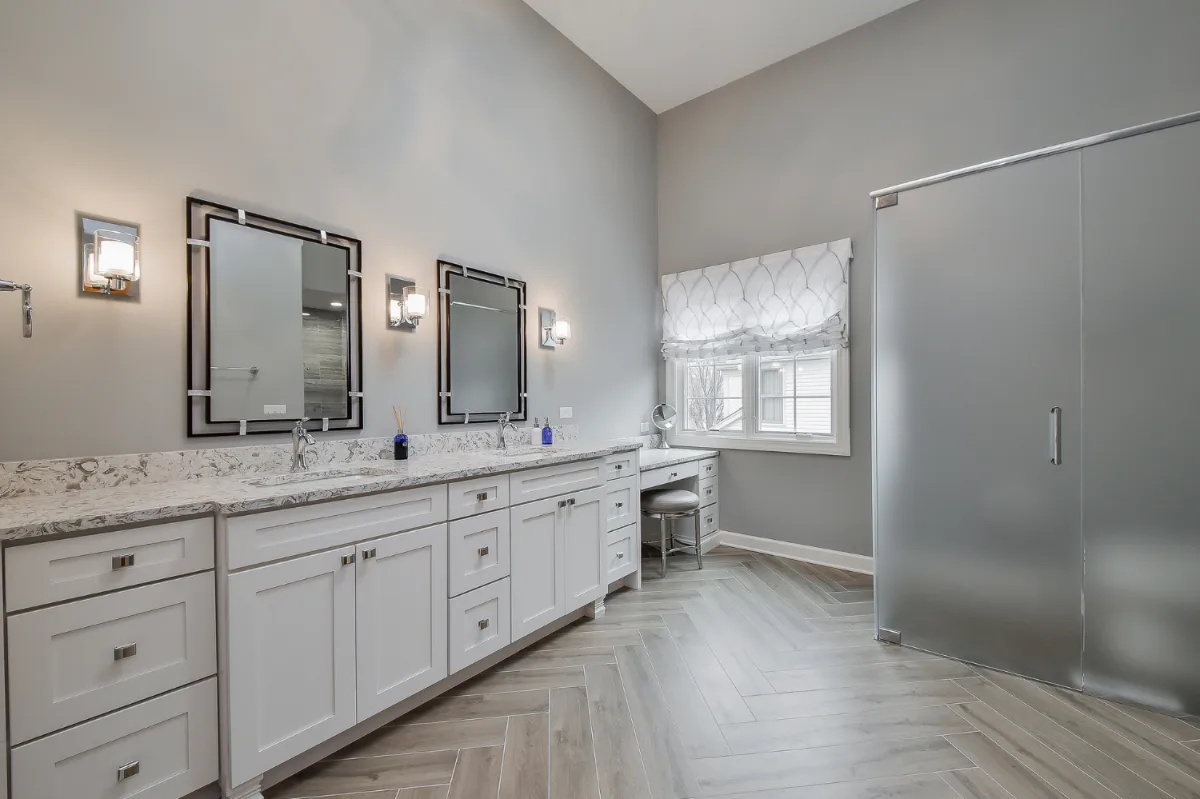
Every successful high-traffic design begins before any finish is selected, with a clear understanding of how the space will actually be used. The household's daily rhythms, how many people move through the space, whether there are children or pets, how frequently the kitchen is used for cooking versus gathering, whether the mudroom is the primary entry or a secondary one, all of these questions shape every design decision that follows.
Designing for real life means creating spaces that support a family's lifestyle rather than requiring it to adapt to the design. When function leads the process, everything else follows naturally: the materials that resist the specific kinds of wear the space will receive, the storage positioned where it will actually be used, the layout that moves traffic smoothly without creating friction. Durable design is not only about tough surfaces. It is about thoughtful planning that anticipates how people will live in the space day after day for the life of the home.
2. The Kitchen: The Hardest-Working Room in the House
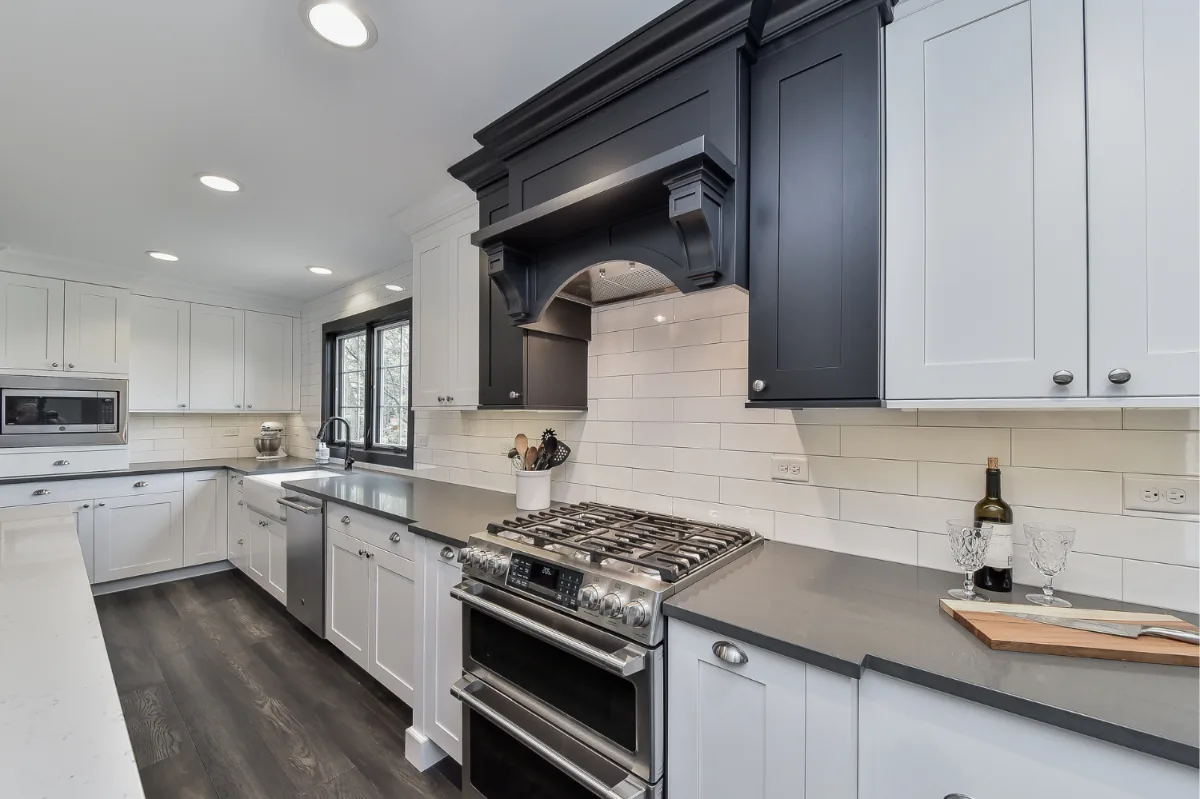
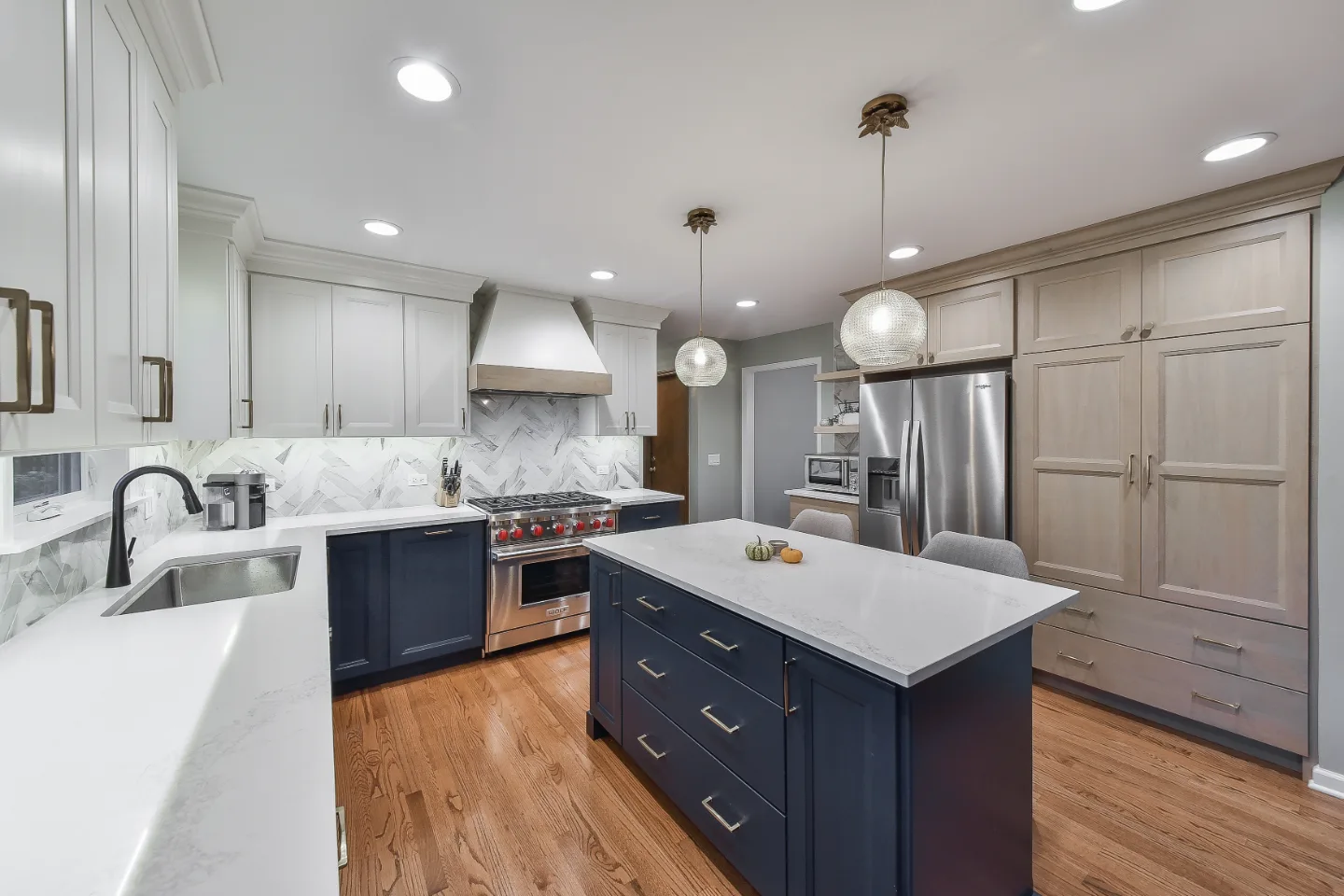
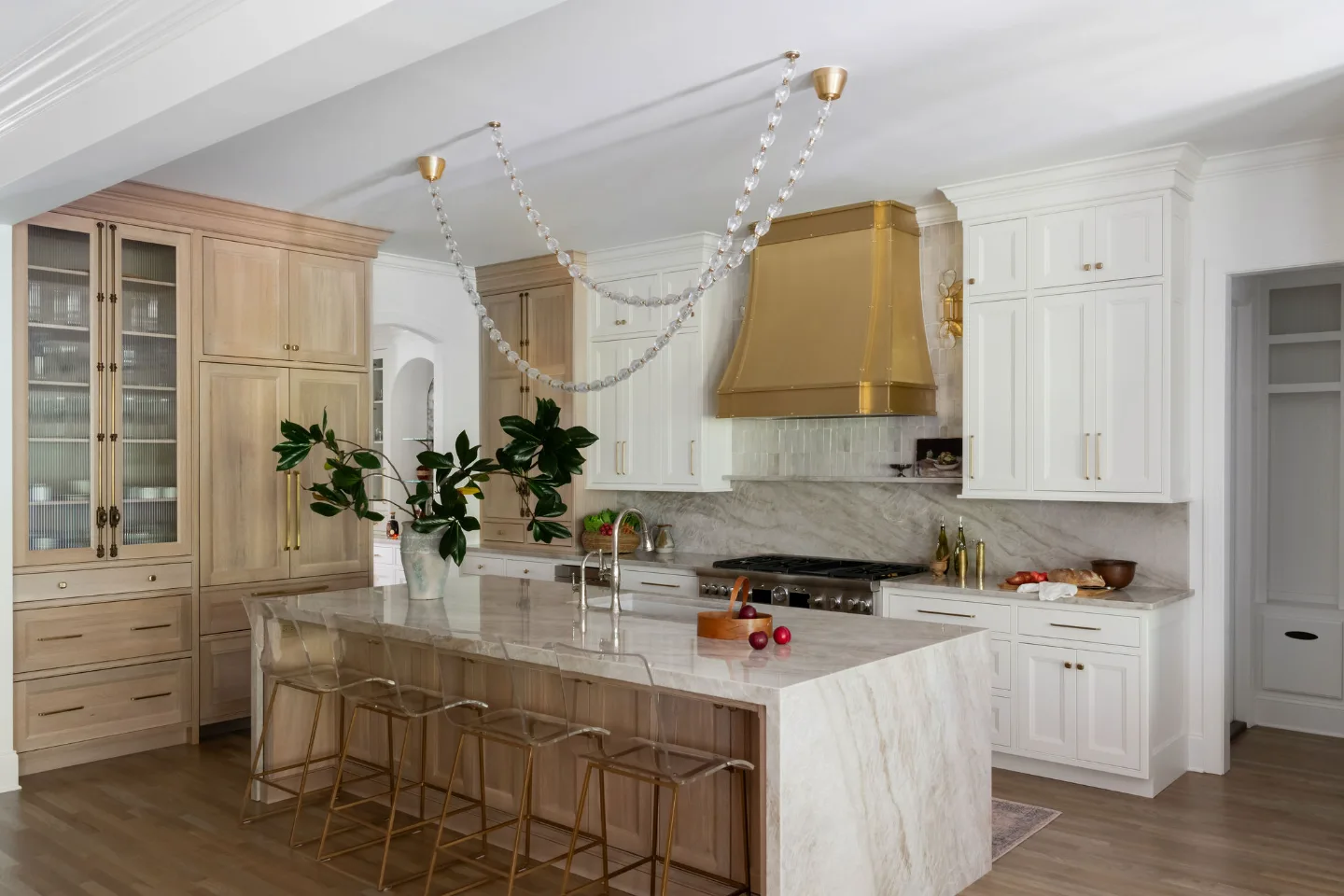
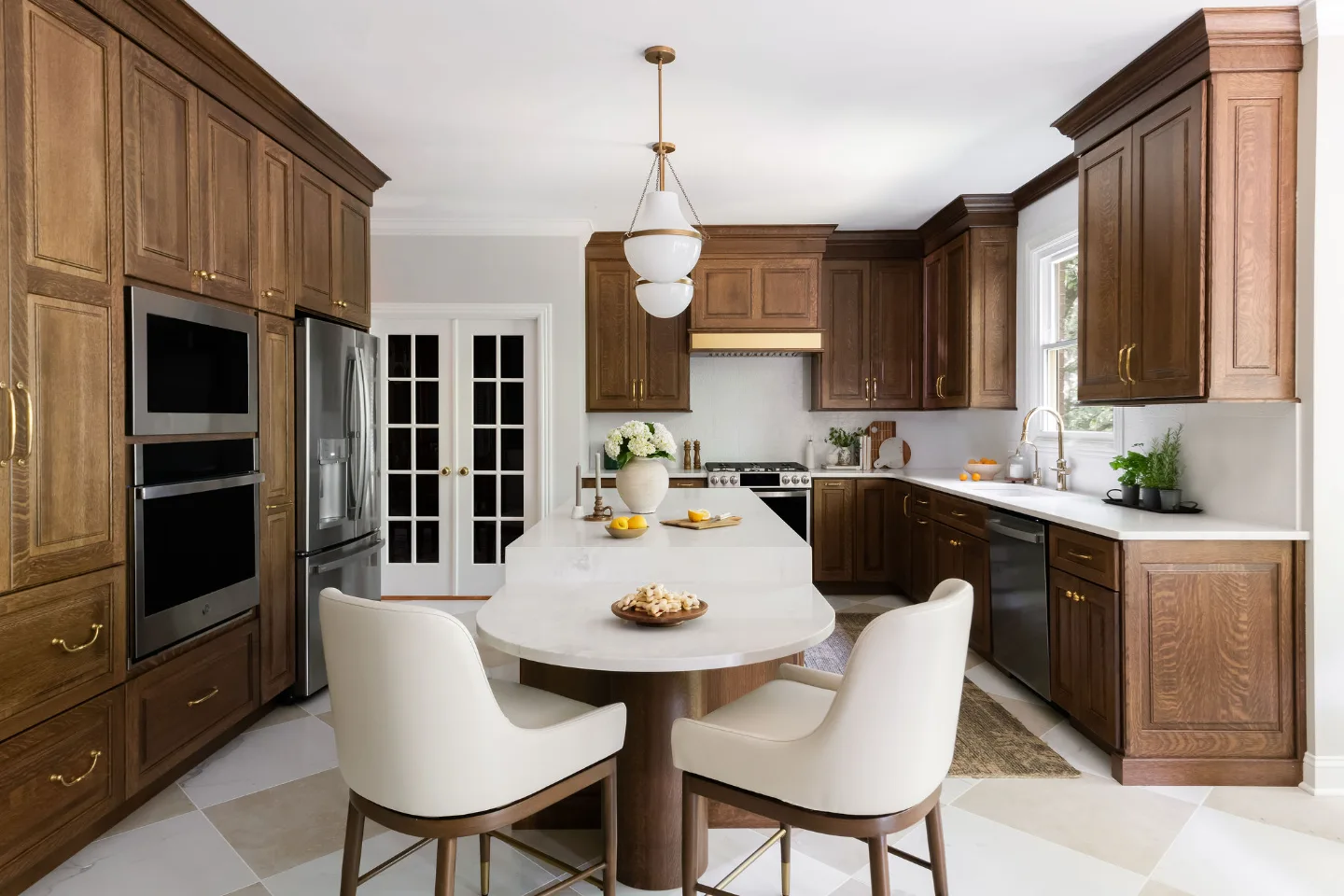
The kitchen is where families gather, where children do homework at the island, where conversations happen alongside cooking, and where spills, scratches, and heavy daily traffic occur without pause. In Franklin and Brentwood homes, the kitchen is the room that receives the most use and the most scrutiny, both from the family living in it and from buyers evaluating the home at resale. The design challenge is to build a kitchen that handles everything gracefully.
Countertops set the material tone. Honed quartzite has become a favored choice in Williamson County primary kitchens because it combines genuine natural beauty with exceptional performance. Unlike polished marble, which shows etching readily in a cooking environment, honed quartzite handles daily acids and abrasion without marking, ages gracefully, and reads as increasingly beautiful over time. Calacatta marble, when the homeowner understands and accepts its maintenance requirements, remains a compelling choice for the kitchen that will be used with care. Quartz engineered stone offers consistent patterning and near-zero maintenance for households that want the stone look without any sealing or particular caution.
Cabinetry construction determines how well the kitchen holds up through years of daily use. Solid wood face frames with plywood box construction resist racking and humidity-related movement far better than particleboard interiors. Soft-close hinges and undermount drawer slides protect the cabinetry and the items stored inside it from the small impacts of frequent daily use. A well-applied painted finish in a high-quality primer and topcoat resists chipping at edges, which is where lesser finishes tend to fail first.
"The materials we see hold up best in Franklin and Brentwood kitchens are the honest ones," says Bryan Sebring, CGR. "Honed quartzite, painted white oak, wide-plank flooring. They develop character rather than showing damage. The kitchen that was beautiful on day one looks even better at year ten when the right materials were chosen from the start."
Our comparison of wood-look tile versus hardwood flooring covers this decision in more depth. Flooring in a kitchen must handle moisture, heat, and constant foot traffic without complaint. Wide-plank engineered white oak is a frequent choice in Williamson County kitchen remodels at this level because it reads as warm and residential while handling the demands of a working kitchen better than solid hardwood. Large-format porcelain tile in a honed or lightly textured finish provides exceptional durability and easy cleanup for families who prefer the look of stone underfoot.
Layout is where the kitchen's long-term performance is determined. An efficient relationship between the sink, cooktop, and refrigerator minimizes the steps that accumulate into fatigue and surface wear over years of cooking. Generous landing zones on both sides of the cooktop and beside the sink protect those surfaces from the casual damage of daily use. Deep drawer storage for pots, pans, and pantry items keeps countertops clear, which is both the most practical and the most beautiful outcome.
3. The Mudroom: Where Daily Life Enters the Home
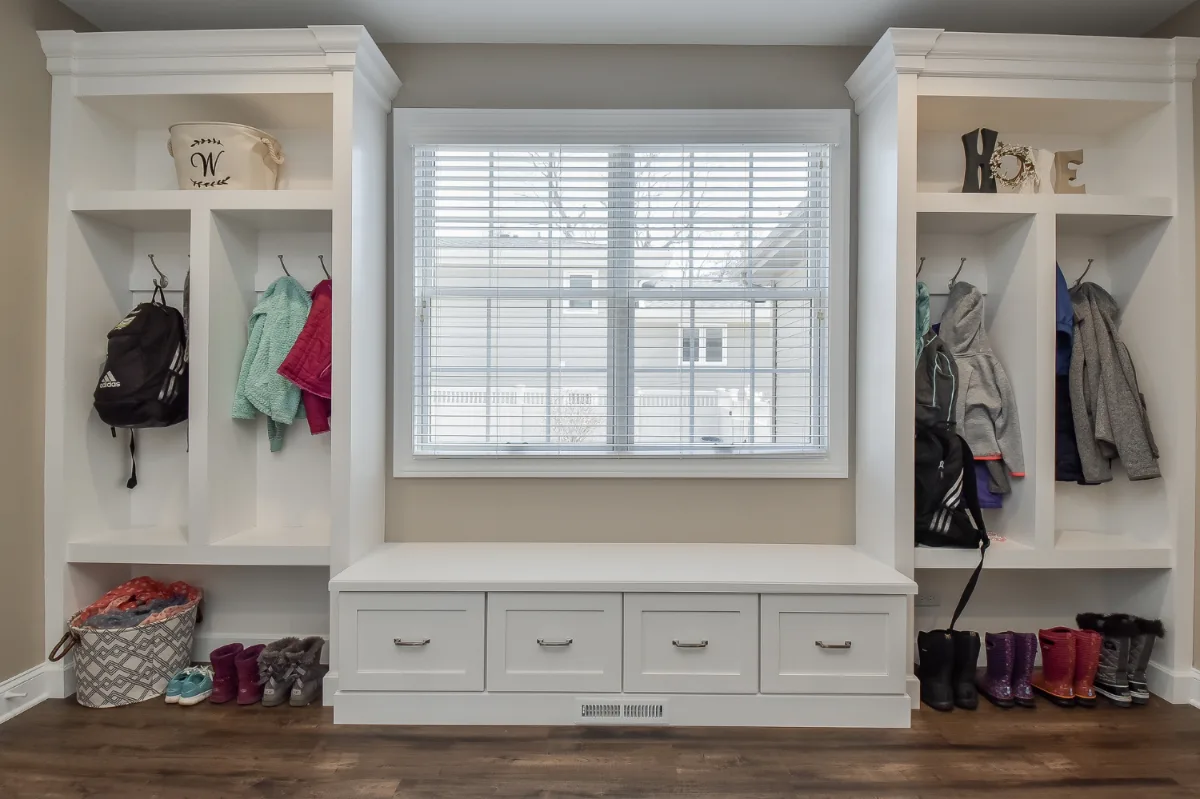
Few spaces in a Franklin or Brentwood home absorb more daily punishment than the mudroom. It is the point of entry where rain-soaked coats, muddy boots, sports equipment, backpacks, and grocery bags arrive simultaneously, often in the company of children and pets who are moving fast. A well-designed mudroom contains that chaos at the threshold and prevents it from spreading through the home. A poorly designed one fails at that job within weeks.
Flooring is the first and most consequential decision in a mudroom. Large-format porcelain tile is a natural fit for this environment because it is exceptionally hard-wearing, waterproof, and easy to clean. A lightly textured surface provides traction when wet without collecting dirt in deep relief. Grout lines in a large-format installation are minimal, which further simplifies maintenance. Darker tile tones in warm grey, charcoal, or aged stone conceal dirt between cleanings, which matters in a space that is never as clean between uses as it is immediately after mopping.
Our guide to why storage should be designed, not added covers this principle in more depth. Storage built into the mudroom from the beginning is what separates a functional space from an aspirational one. Individual cubbies or lockers, one per family member, create the accountability structure that allows the space to stay organized without requiring daily effort. A generous bench at sitting height with deep drawers beneath it handles the shoe situation that derails most mudroom designs. Hooks positioned at multiple heights, adult height for coats and children's height for backpacks, make it easy to put things where they belong without thinking about it.
Wall finish in a mudroom should be chosen for cleanability rather than visual effect. A satin or semi-gloss paint in a warm neutral allows scuffs and splashes to be wiped away without leaving a trace. Trim and millwork in a durable painted finish rounds out the practical requirements of a space that will receive contact at all heights.
4. The Bathroom: Every Material Earns Its Place Through Moisture
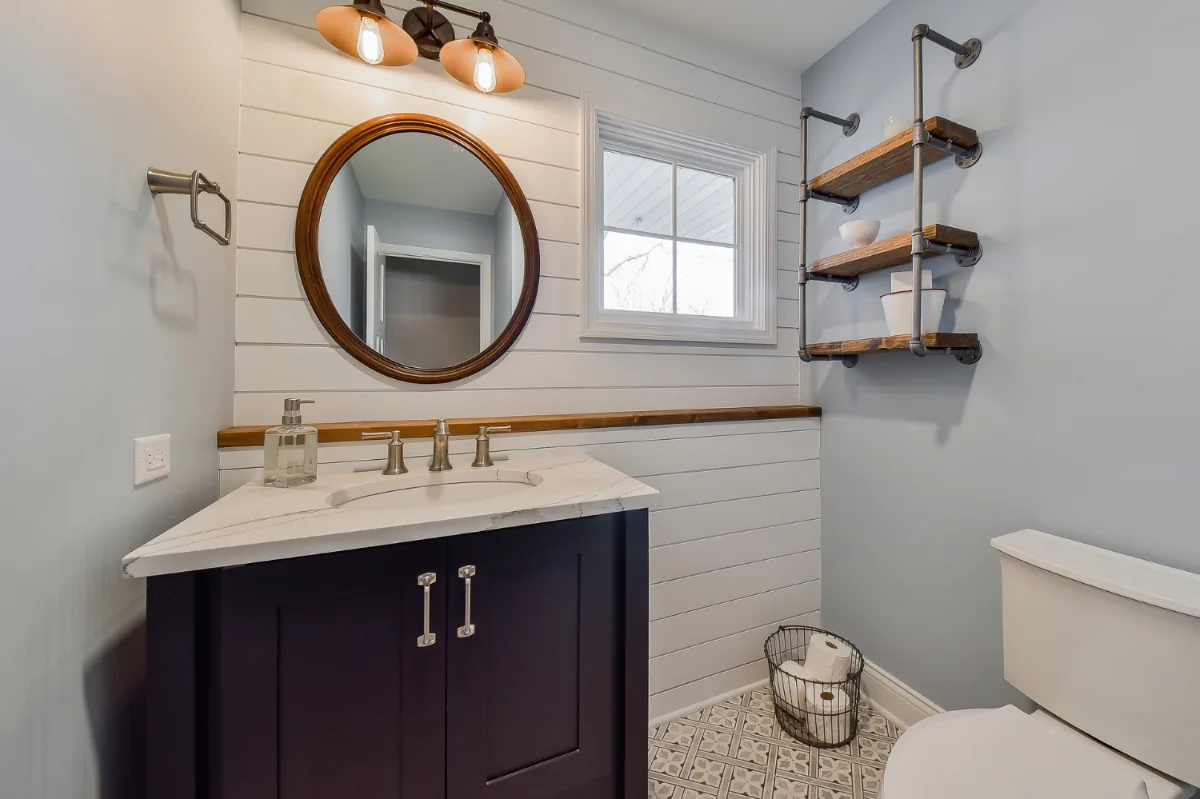
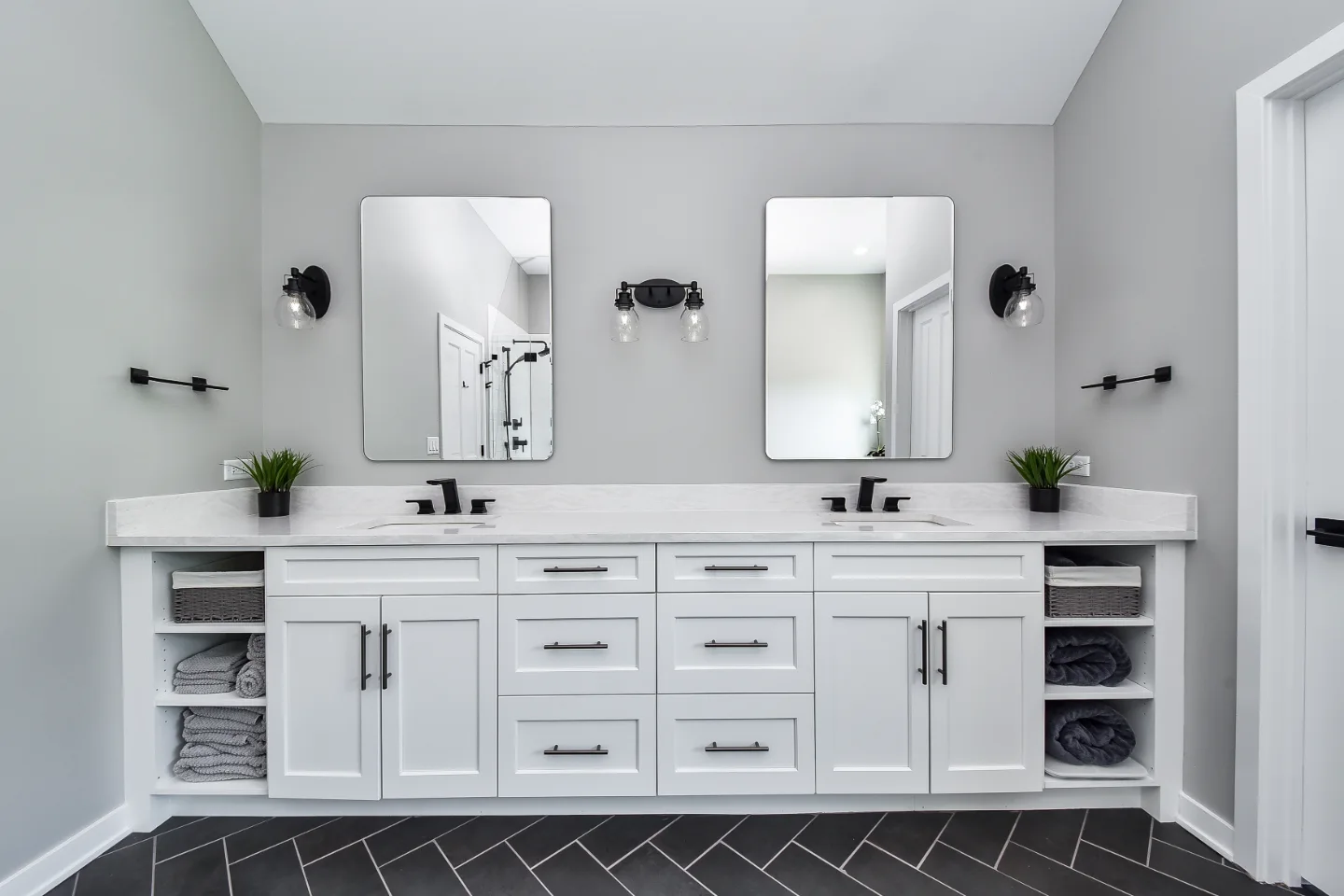
Bathrooms in Williamson County homes face a specific and consistent challenge: constant moisture in a space that is expected to read as refined and calm at all times. Every material decision in a bathroom is ultimately a moisture management decision, and the finishes that perform best over time are the ones chosen with that reality at the center rather than as an afterthought.
Countertop selection at the vanity begins with non-porous surfaces. Honed quartzite handles splashes and daily humidity without marking, which makes it among the most practical natural stones for a bathroom environment. It also develops the kind of lived-in warmth over years of use that engineered surfaces cannot replicate. Honed marble remains a compelling option for primary baths in homes where the aesthetic calls for it, when the homeowner understands that marble requires periodic sealing and develops a patina rather than remaining pristine.
Tile is the defining material in any bathroom. Large-format porcelain tile on floors and shower walls produces minimal grout lines, which are a frequent maintenance problem in older bathrooms. Fewer grout lines mean fewer places for moisture and mildew to establish, less scrubbing, and a surface that reads as continuous and calm rather than busy. A 24-by-48 inch format on the shower walls and a 24-by-24 inch format on the floor, both in a honed finish, produces the kind of seamless visual quality associated with beautifully refined baths in Williamson County.
Grout selection is more consequential than most homeowners expect. Epoxy grout in a complementary tone is among the most durable and low-maintenance choices for wet areas. It does not stain, does not require sealing, and does not discolor over time. The additional investment in epoxy grout pays dividends in appearance and maintenance every year for the life of the bathroom.
Cabinetry in a bathroom must resist the humidity that builds with daily showering. Plywood box construction with a properly sealed finish handles temperature and moisture cycling far better than MDF, which absorbs humidity and begins to degrade. Proper bathroom ventilation, an exhaust fan that runs long enough after each shower to clear steam from the room entirely, protects all of the materials in the space and is the most overlooked element in bathroom durability.
Fixtures chosen for longevity outlast their less considered alternatives by many years. Solid brass plumbing fixtures resist corrosion in a way that zinc or pot metal cannot. Polished nickel and unlacquered brass both develop a natural patina over time that most homeowners find increasingly beautiful. Brushed nickel provides consistent appearance with minimal maintenance for households that prefer that quality.
5. Universal Design: Built to Last a Lifetime
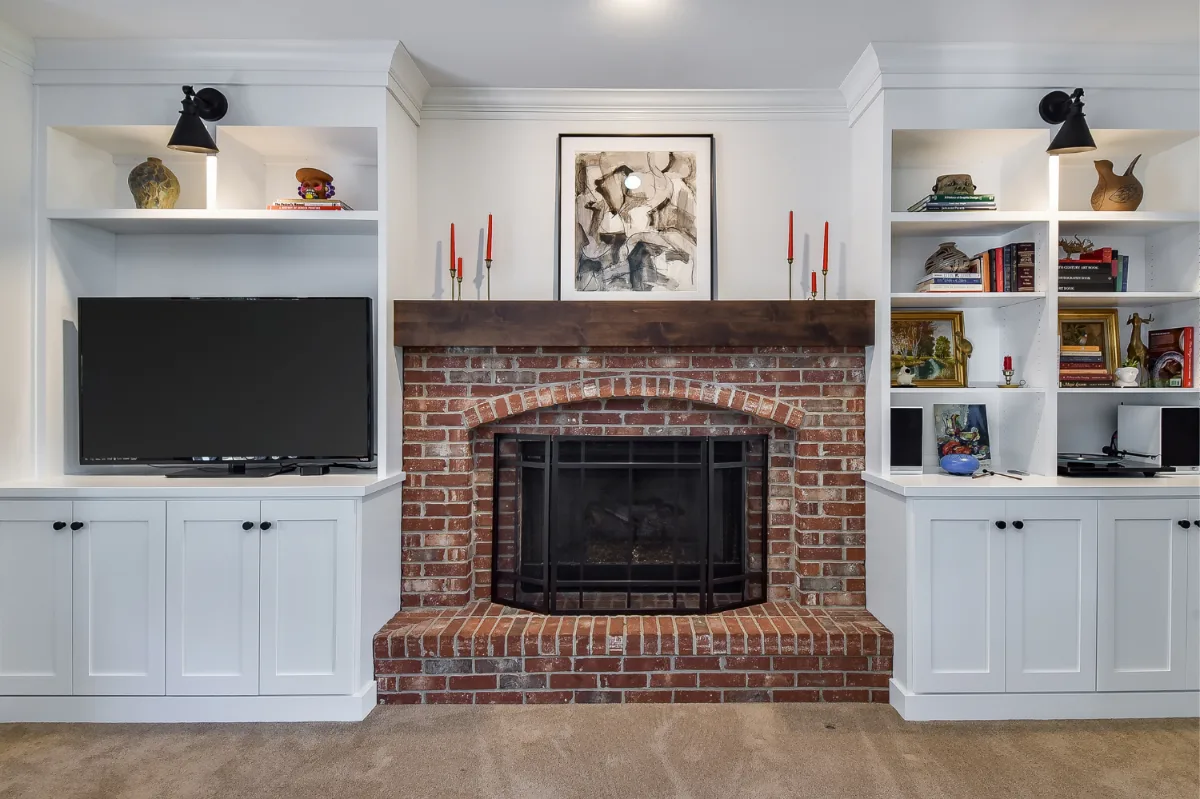
Durability in a home is not only about how materials age. It is also about how the home adapts as the family's life changes. The most resilient spaces in a Franklin or Brentwood home are those designed with enough flexibility to serve the household well across multiple seasons of life, including the ones that have not yet arrived.
Universal design principles, when applied with the same design intelligence brought to every other finish decision, produce spaces that are more accessible and more beautiful simultaneously. A curbless shower entry is simply elegant. A lever-style handle in unlacquered brass is a richer detail than a knob and easier to operate with full hands. Slip-resistant tile in a large format reads as polished and modern while providing the traction that makes a wet bathroom safer for every member of the family.
In kitchens, counter heights that accommodate sitting as well as standing, generous clearances at appliances, and task lighting at the specific surfaces where work happens all improve the daily experience of the space for the people using it now while making the home more adaptable for the people who may use it later. These are not accommodations. They are evidence of thorough thinking for designing for everyday calm.
For families in Williamson County who are designing with a multi-generational household in mind, or who simply want to ensure the home continues to serve them well through every chapter of their life in it, universal design principles are among the most valuable investments a remodel can make.
6. Maintenance: The Discipline That Protects the Investment
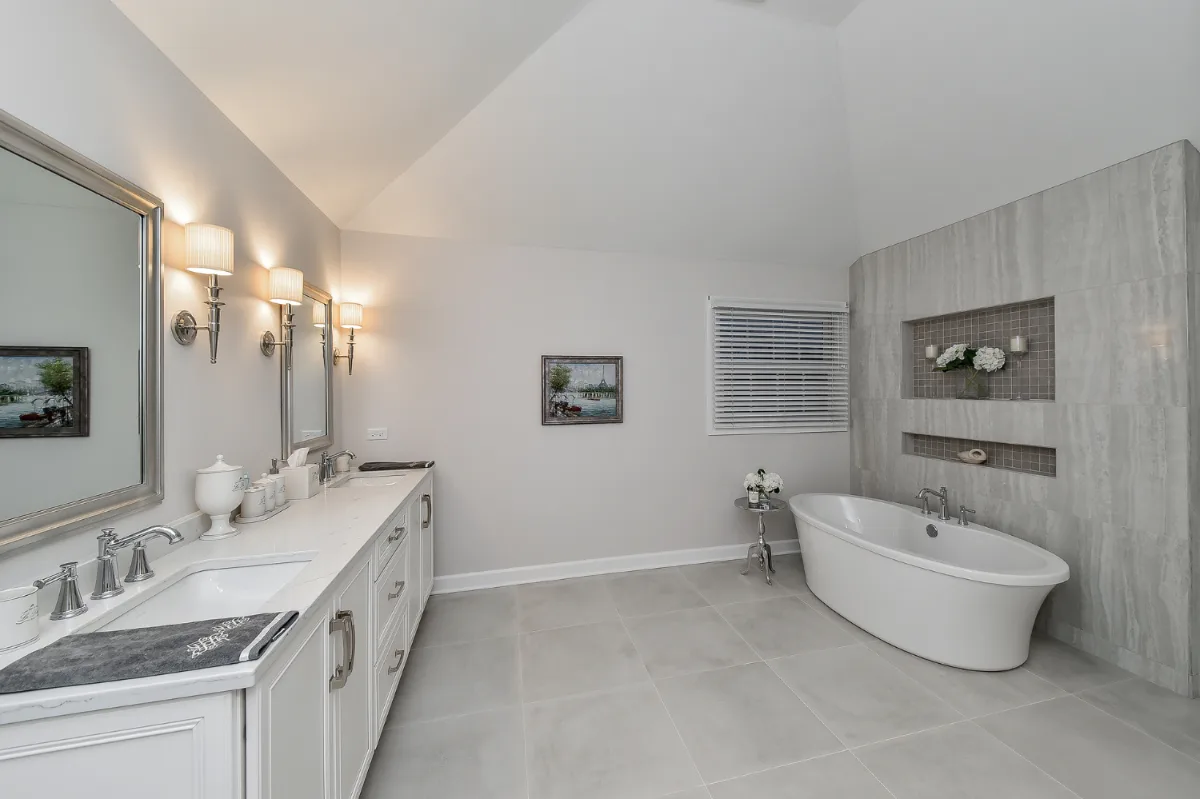
The gap between a high-traffic space that remains beautiful for fifteen years and one that begins looking tired within five is often not the initial quality of the materials. It is how easily those materials can be maintained and how well the space was designed to support that maintenance.
Finish selection has a direct effect on how much daily effort a surface requires. Matte and honed finishes conceal fingerprints, water spots, and light scuffs in a way that polished and glossy surfaces do not. A honed quartzite countertop that is wiped daily and sealed annually will look substantially the same at year fifteen as it did at year one. The same stone in a polished finish requires more vigilant daily care to maintain the same appearance.
Grout lines in high-moisture areas accumulate the maintenance burden that most homeowners underestimate when choosing a tile size and format. Fewer grout lines mean less scrubbing, less sealing, and less discoloration over time. This is the practical case for large-format tile that complements its aesthetic case entirely.
Ventilation is the most underrated durability investment in a home. Kitchens with properly specified range hoods that move an appropriate volume of air for the cooking surface remove grease and moisture before they accumulate on surfaces. Bathrooms with exhaust fans that operate on timers, running long enough after showers to fully clear steam from the room, protect cabinetry, tile, grout, and paint from the cumulative moisture damage that is a leading cause of premature material failure.
Paint and trim specification in high-traffic areas deserves the same attention as countertop or tile selection. A washable paint in a satin or eggshell finish, properly primed and applied, can be wiped clean repeatedly without losing its sheen. Trim finished in a durable semi-gloss handles the scuffs and kicks of daily life in a mudroom or kitchen without requiring touch-up for aging-in-place design.
7. Style That Endures
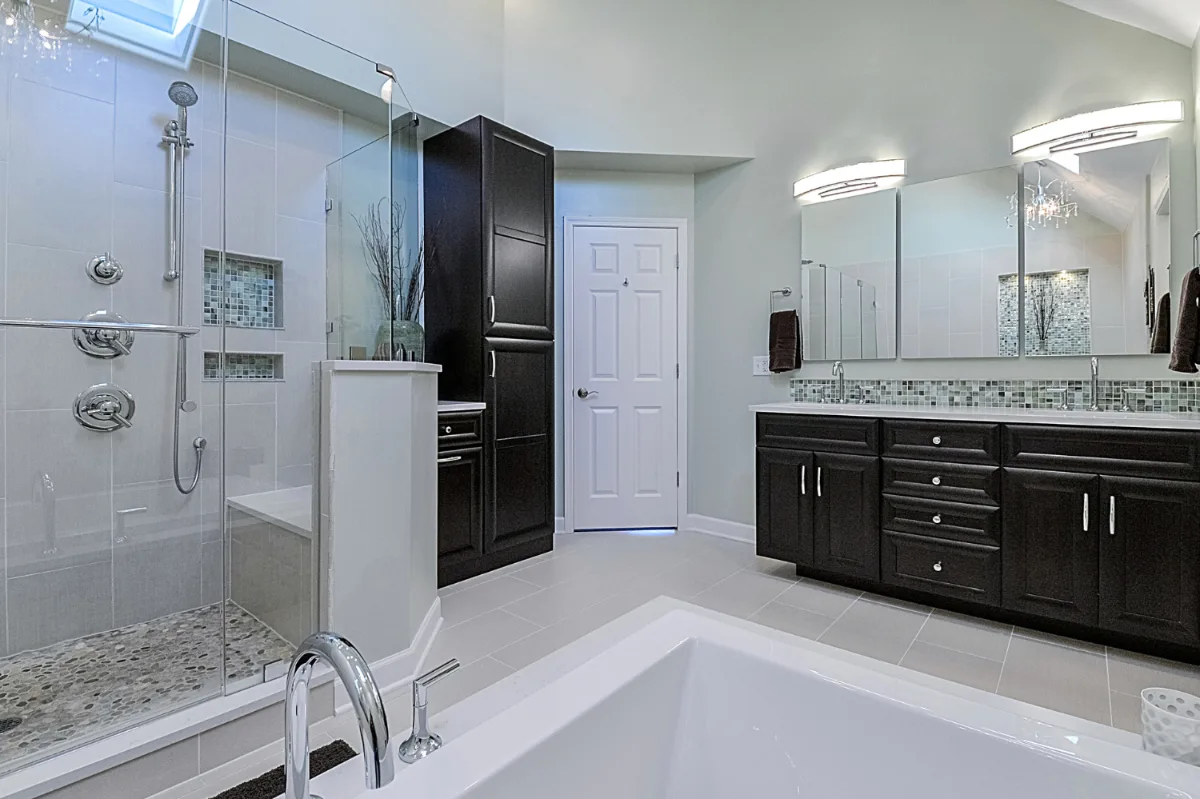
Our guide to remodeling without falling into trends covers this principle in more depth. Trends in residential design cycle through quickly, but the material and aesthetic choices that define a remodel typically live in a home for fifteen to twenty years. Choosing a finish palette and design direction with that timeframe in mind is one of the most practical decisions a homeowner can make, and it is entirely compatible with choosing beautifully.
The design direction that tends to endure across time in Franklin and Brentwood homes is one built on warm neutrals, natural materials, and restrained detail. Warm whites and soft off-whites on cabinetry and walls. White oak or warm-toned hardwood on floors and in millwork. Natural stone in honed finishes on countertops and tile. Unlacquered brass, polished nickel, or brushed bronze on hardware and fixtures. These choices form a material palette that ages gracefully because every element develops character rather than showing wear.
Simplicity in detail is the other constant of enduring design. Clean millwork profiles, well-proportioned cabinetry, and hardware chosen for its material quality rather than its visual complexity produce rooms that feel current without depending on any particular trend to do so. The room that is beautifully composed in 2025 on these terms will read as beautifully composed in 2040. The room that chased a specific trend will not.
Remodeling for a timeless look is also a practical one. Neutral palettes coordinate easily with changes in furniture, textiles, and decor as the family's taste evolves. The kitchen that was remodeled in warm white oak and honed quartzite can be refreshed with new pendants, new bar stools, and a new rug without touching the materials that define it. That flexibility is worth considering as seriously as any other factor in a remodel investment.
Bringing It All Together
A home that holds up beautifully is not one that looks perfect only at its completion. It is one that still feels solid, comfortable, and composed years later, when life has moved through it fully and left the marks that every genuinely lived-in home accumulates.
The choices that produce that quality of longevity are made at the design stage, before any material is ordered or any wall is opened. The countertop that will still be beautiful in fifteen years. The cabinetry construction that will not rack or delaminate under daily use. The tile format that minimizes the maintenance burden while maximizing the visual quality of the surface. The layout that moves traffic smoothly and protects surfaces from the friction of daily use. These are design decisions, and they require design thinking to get right.
At Sebring Design Build, we design for the life you actually live, not the one you imagine when the room is perfectly styled for photographs. Every material we specify and every layout we propose is evaluated against the question of how it will perform in daily use by a real family in Williamson County, not just how it reads in an inspiration image. That orientation toward real-life performance is what we bring to kitchens, baths, and mudrooms throughout Franklin, Brentwood, and across the county.
It is time that you love your home every day, not just on the days when it looks exactly right. Contact Sebring Design Build to schedule your complimentary consultation and start designing a home remodel in Franklin, TN that is built to last. Explore our portfolio of finished projects.