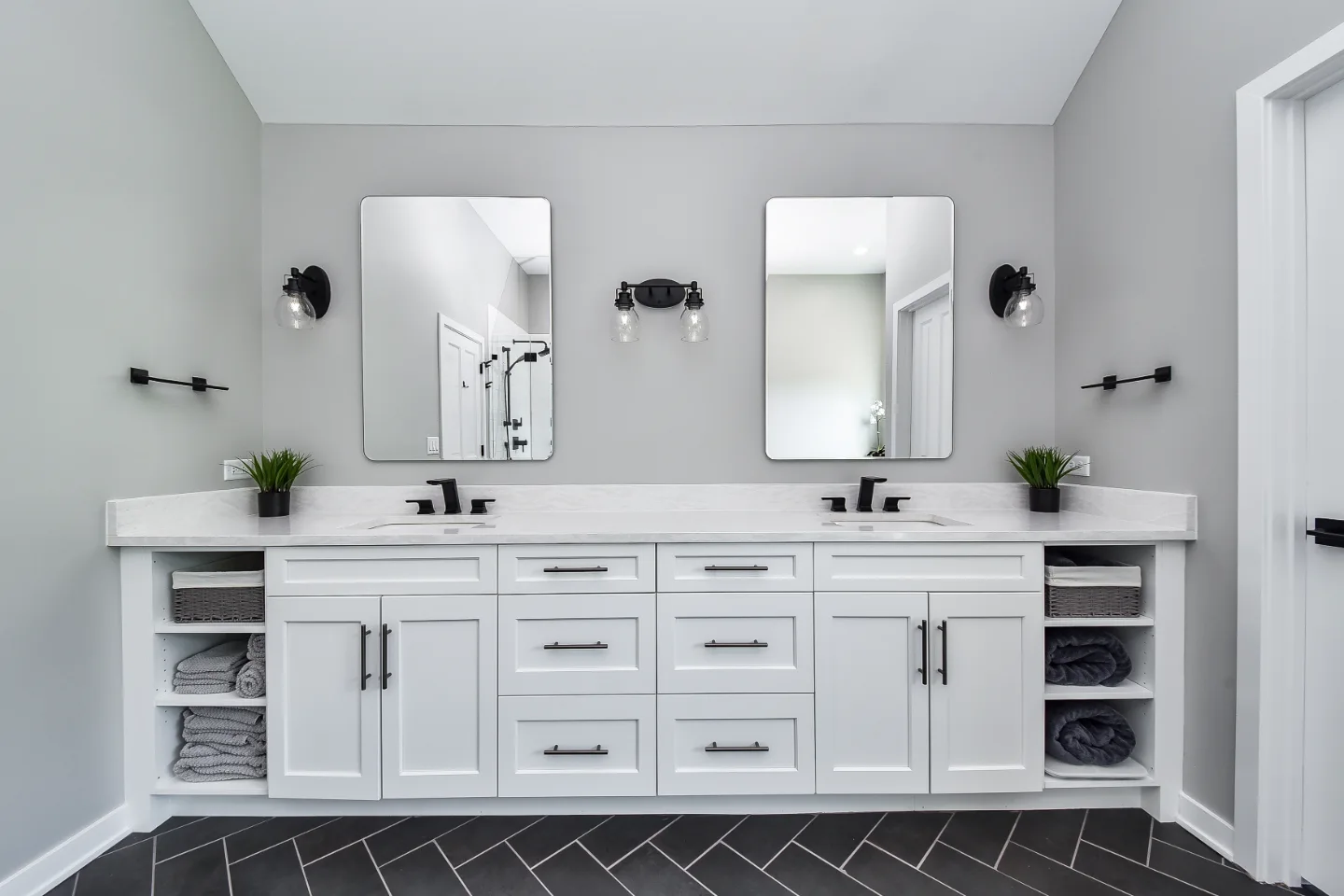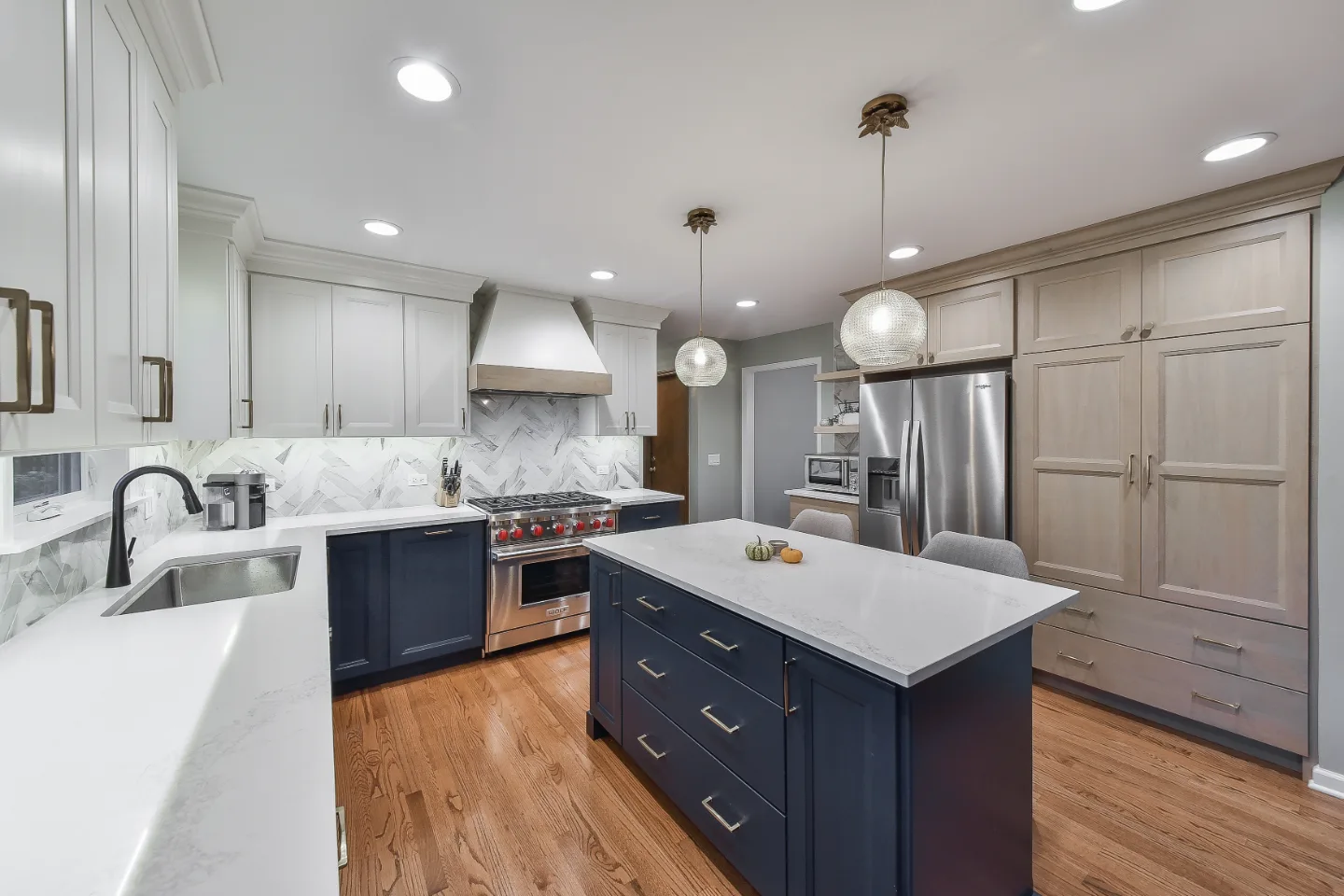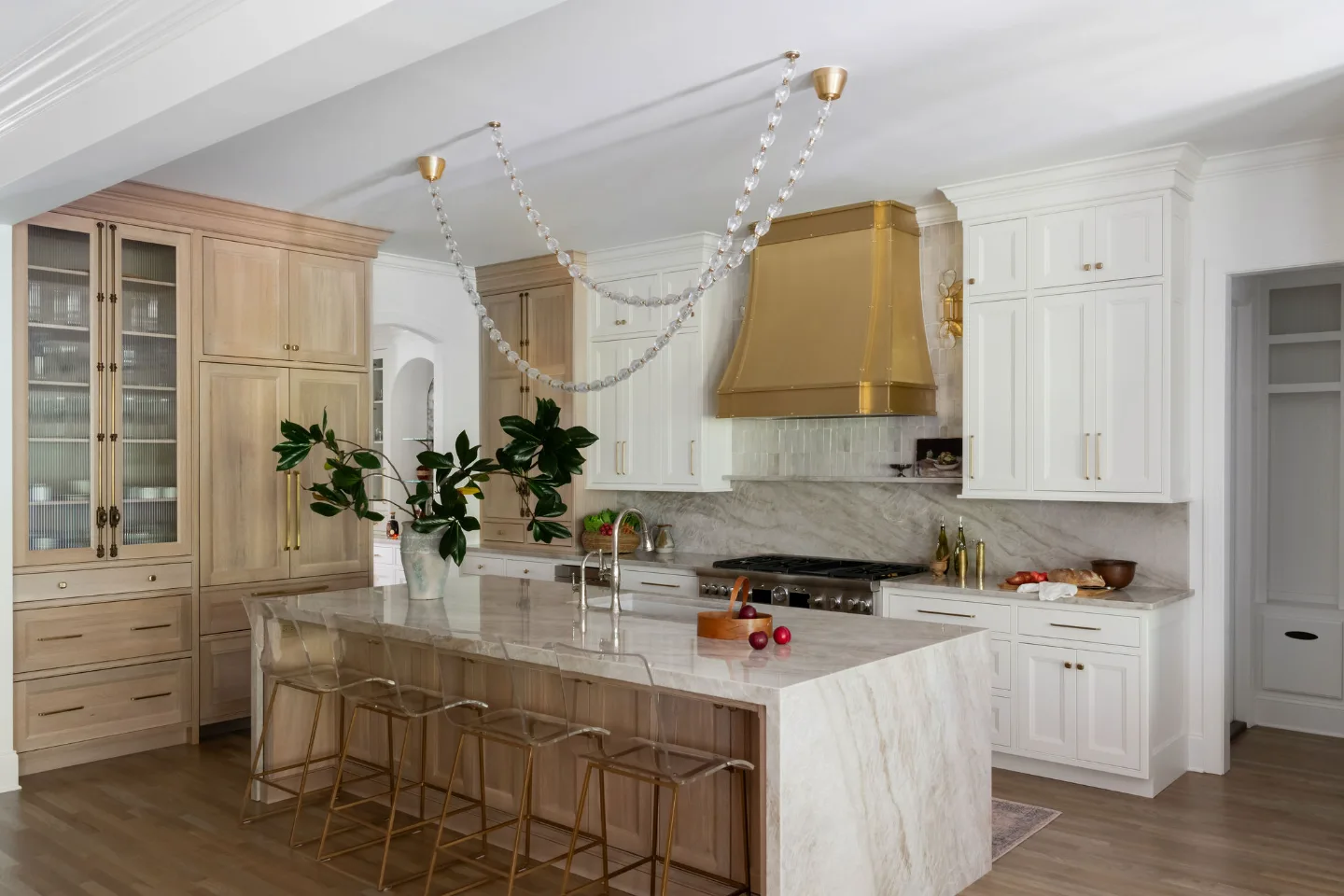
Choosing between wood-look porcelain tile and genuine hardwood flooring is one of the most practical decisions in a kitchen or bathroom remodel, and increasingly in whole-home flooring renovations in Franklin and Brentwood. Both options produce beautiful results. Both have strong advocates. And both have specific strengths that make them the right choice in particular applications.
The decision has become more nuanced in the past decade as wood-look porcelain tile has improved dramatically in visual realism. Today's large-format wood-look porcelain, specified in plank sizes of six by forty-eight inches or larger, can be genuinely difficult to distinguish from wide-plank hardwood at a glance. The choice now turns less on aesthetics and more on how the floor will be used, where it will be installed, and how much ongoing maintenance the household is willing to invest.
Here is what Franklin and Brentwood homeowners should understand about both materials before making a flooring decision. Our luxury vinyl flooring buying guide covers a third option worth considering for high-moisture areas.
What Is Wood-Look Porcelain Tile?
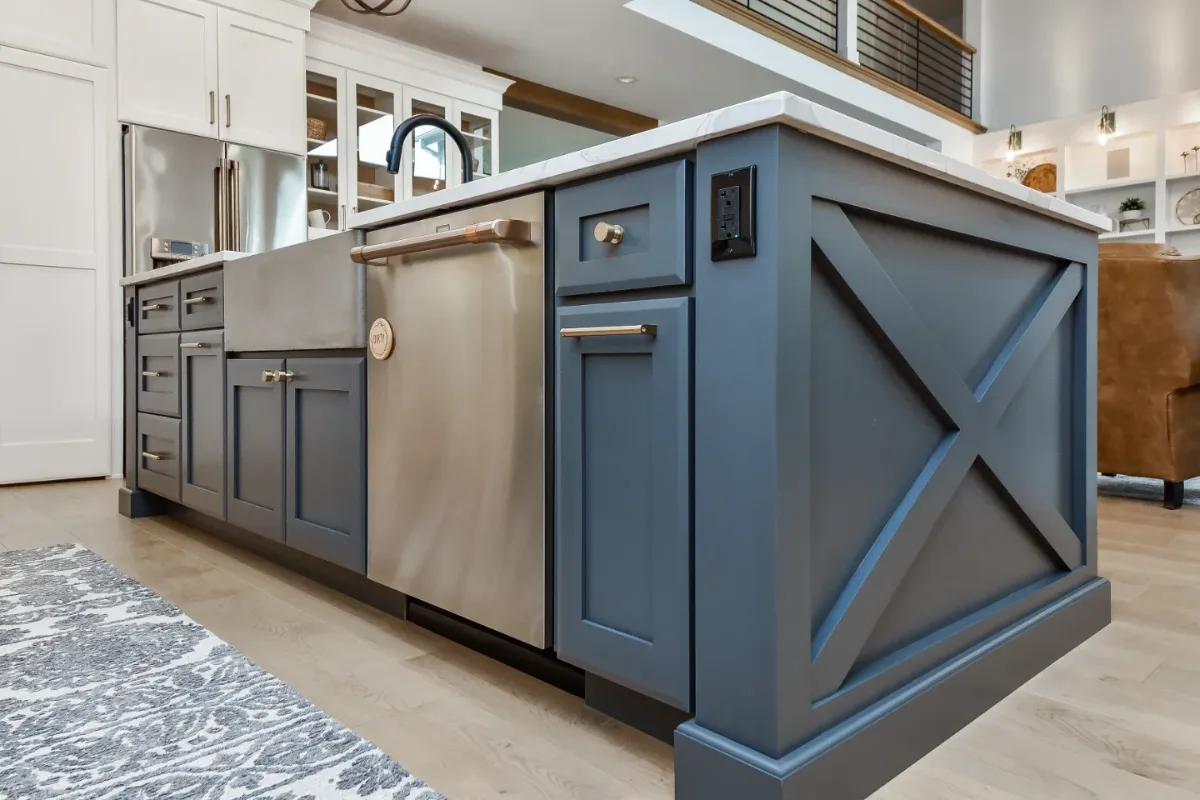
Wood-look porcelain tile is exactly what the name describes: a porcelain tile manufactured with a digital printing process that replicates the visual texture, grain variation, and color range of natural wood planks at the surface. The result is a tile that, when specified in a large plank format with matching grout, reads as wood flooring to the casual eye while delivering the durability and moisture resistance of porcelain.
The production technology behind contemporary wood-look porcelain has improved significantly since the material first appeared. Early versions were clearly tile with a wood print. Today's high-quality wood-look porcelain produces realistic grain variation, surface texture that mirrors the tactile quality of wood, and color variation between tiles that mimics the natural variation in a wood floor. In a large-format installation with minimal grout lines in a closely matched tone, the result can be convincingly wood-like in most residential lighting conditions.
Wood-look porcelain is available in a wide range of species interpretations, from light ash and warm white oak to deep walnut and rich mahogany-toned options. Plank widths and lengths that mirror current hardwood trends, including the wide-plank formats often chosen in Franklin and Brentwood homes, are standard in the product category.
Durability: Where Each Material Performs
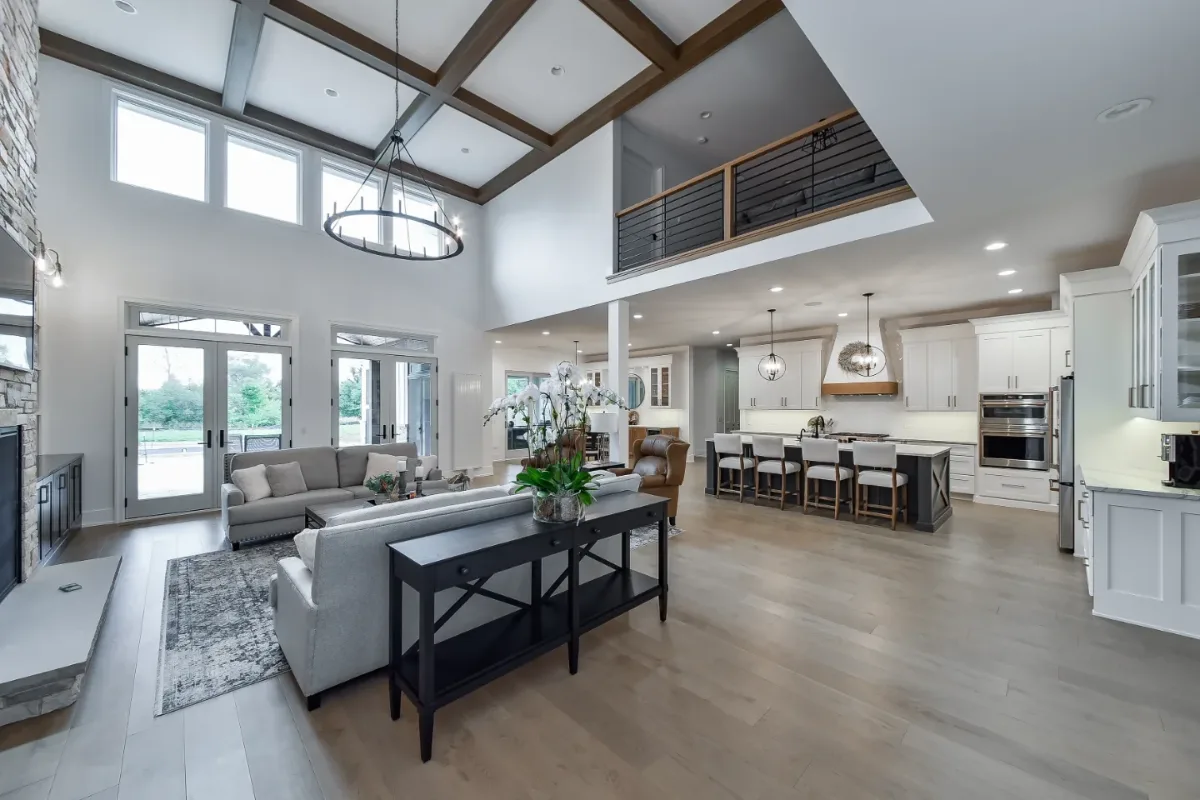
Hardwood flooring is a natural material with inherent limitations under mechanical stress. Scratches from pet claws, dents from dropped objects, and surface wear from high foot traffic are normal characteristics of a wood floor's life. They can be mitigated by choosing harder species such as white oak or hickory over softer options like pine, by using protective floor pads under furniture, and by maintaining a no-shoes policy in primary living areas. But they cannot be eliminated entirely, and a hardwood floor that sees heavy daily use will show it over time.
The refinishing cycle is the defining practical characteristic of hardwood flooring. A quality hardwood floor can typically be sanded and refinished three to five times over its lifetime, which effectively restores it to a near-original appearance and extends its useful life to several decades. That refinishing capacity is both hardwood's most significant long-term advantage and its most significant ongoing requirement: the floor must be refinished every seven to fifteen years depending on use and species, which involves temporarily vacating the space and a meaningful investment in professional labor and materials.
Wood-look porcelain is substantially harder than any hardwood species. Porcelain rates around seven on the Mohs scale, and while wood is measured differently, on the Janka hardness scale, even the hardest domestic species is far softer than fired porcelain. It resists scratching, denting, and wear from foot traffic. Pet claws do not mark it. High-heel traffic does not dent it. In a Franklin or Brentwood home with active children, dogs, or heavy kitchen use, wood-look porcelain delivers a floor that remains visually consistent for decades without any refinishing requirement.
Moisture Resistance: A Clear Difference
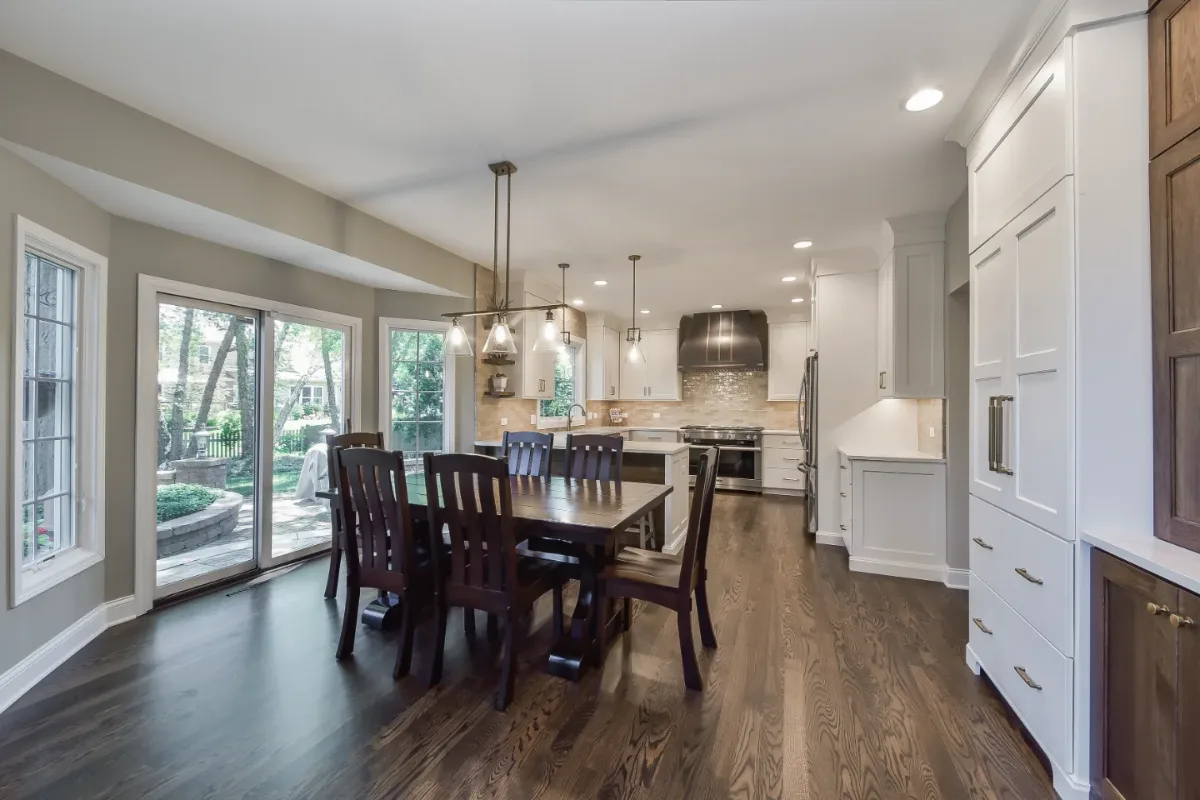
Hardwood is a naturally porous material so consider that when planning sustainable remodeling choices. It absorbs moisture and expands dimensionally in response to humidity and liquid contact. In areas with normal indoor humidity variation, this expansion and contraction is managed by the installation gap around the floor's perimeter and is not harmful. In areas with consistent moisture exposure, including kitchens with frequent spills, bathrooms, laundry rooms, and mudrooms with wet boot traffic, the cumulative moisture exposure can eventually cause hardwood to warp, cup, or develop surface damage that refinishing cannot fully reverse.
Wood-look porcelain is non-porous. Water does not penetrate the surface, does not affect the tile dimensionally, and does not accumulate beneath the tile when installation and grout sealing are executed correctly. This makes wood-look porcelain the appropriate specification for any room where moisture is a regular presence: bathrooms without question, kitchens where cooking and cleaning produce consistent liquid exposure, mudrooms where wet boots and pet paws are common daily traffic, and basements where below-grade humidity levels make hardwood installation inherently risky.
In a Franklin or Brentwood home where open-concept floor plans often run a single flooring material from the kitchen through the adjacent dining or living area, the moisture considerations of the kitchen zone frequently determine the flooring specification for the full open area. When the kitchen is the moisture concern, wood-look porcelain through the combined zone is a practical resolution that maintains visual continuity without the moisture risk of hardwood in a kitchen application.
Design Versatility and Visual Authenticity
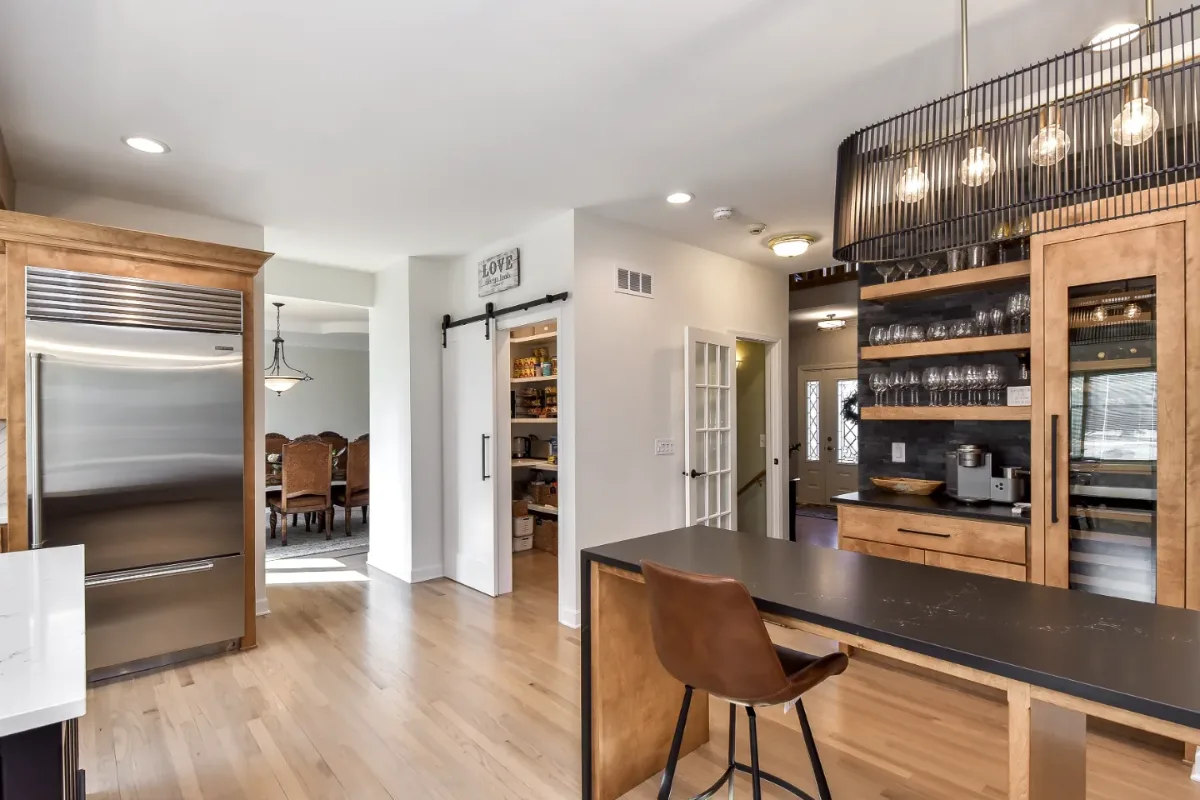
Both hardwood and wood-look porcelain offer significant design range, but the nature of that range differs in ways that are relevant to specific design applications. A 3D design visualization can be practical.
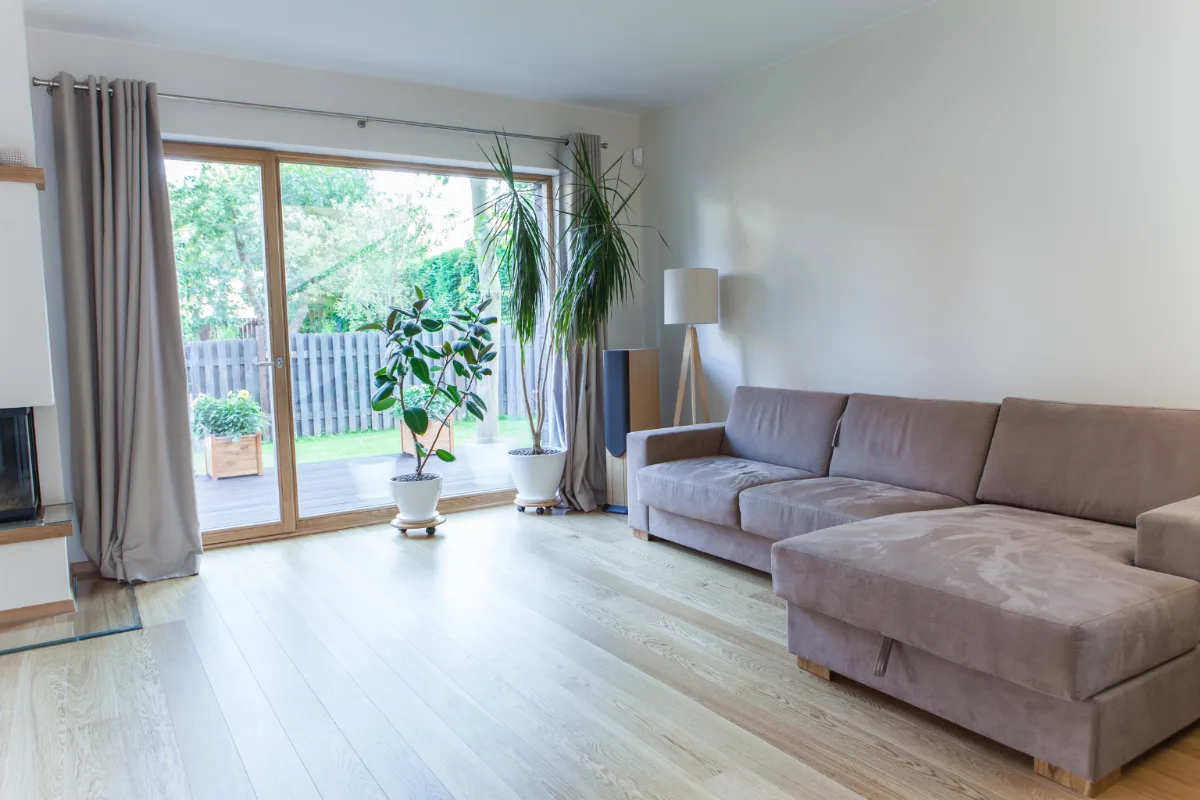
Genuine hardwood offers the organic warmth, material variation, and sensory quality of natural wood. Quarter-sawn or rift-sawn white oak in a light natural or wire-brushed finish reads with a genuinely organic quality that porcelain, however realistic, does not fully replicate. The grain is real, the variation is natural, and the material develops its own character as it ages. For Franklin and Brentwood homeowners whose design priority is the authentic warmth and material quality of real wood, hardwood in appropriate applications delivers something that tile cannot.
Wood-look porcelain offers design flexibility that hardwood cannot. It can be specified in the same material from the bathroom floor through the shower walls, creating a cohesive visual continuity that hardwood cannot achieve in a wet environment. It can be installed with the grain pattern running in multiple directions simultaneously to define zones within an open-concept space. It can extend from an interior living zone through an exterior covered patio application in climates where moisture and temperature variation prohibit hardwood. And in large-format plank sizes that would require wide, expensive boards in genuine hardwood, wood-look porcelain delivers the wide-plank visual at a more consistent material cost.
Maintenance Over the Life of the Floor
Our companion piece on designing high-traffic spaces to last covers this same durability principle across the whole home. Day-to-day maintenance requirements differ meaningfully between the two materials.
Hardwood flooring requires cleaning with specific wood-safe products, avoidance of excessive moisture during mopping, and prompt cleanup of spills before they penetrate the surface. High-moisture mopping, steam cleaners, and common household floor cleaners can damage wood finishes and void manufacturer warranties. The finish itself requires periodic attention: most factory-finished hardwood floors should be refreshed with a floor polish product every one to two years between full refinishing cycles to maintain their protective quality.
Wood-look porcelain can be cleaned with any standard floor cleaner, is compatible with steam mopping, tolerates wet mopping without risk of surface or dimensional damage, and requires no sealing, polishing, or protective treatment. The grout lines, which are the tile installation's primary maintenance consideration, should be sealed at installation and resealed periodically, and are susceptible to staining if not maintained. In a kitchen or bathroom where grout is exposed to cooking grease or heavy moisture, a darker grout color in a closely matching tone to the tile significantly reduces the visible impact of staining between cleaning cycles.
Which Flooring Is Right for Your Franklin or Brentwood Home?
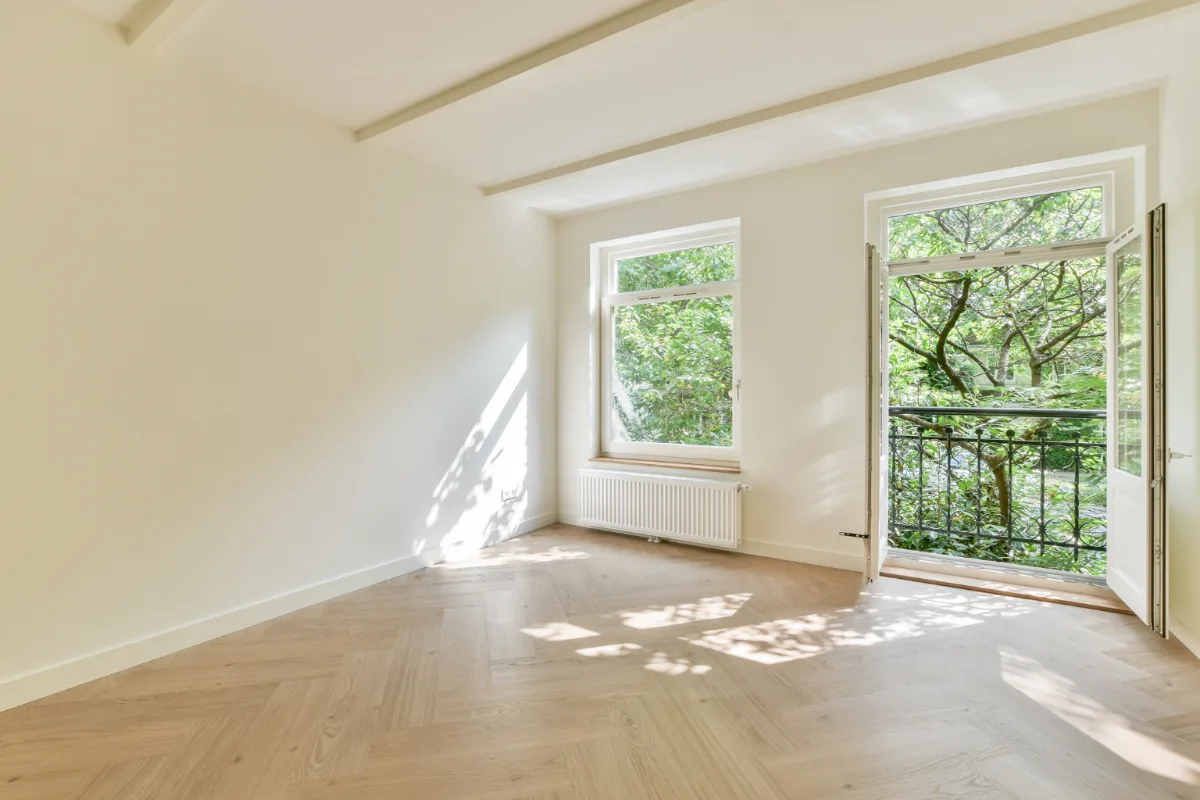
The decision between wood-look tile and hardwood is not a quality hierarchy. Both materials, specified well and installed correctly, produce beautiful, durable floors in the applications for which they are suited. The question is application.
"The flooring conversation in Franklin and Brentwood remodels almost always comes down to the same two questions," says Bryan Sebring, CGR. "First: does the floor plan include zones where moisture is a consistent presence? If the answer is yes, which it almost always is in any project that includes a kitchen or bathroom, wood-look porcelain is the specification that makes sense in those zones. Second: is the design priority the authentic warmth and material quality of real wood in the primary living spaces? If the answer is yes, hardwood in the living and dining areas, where moisture is not a regular concern, delivers something that tile does not. A floor plan we work with often in this market specifies wood-look porcelain in the kitchen, bathrooms, and mudroom, and wide-plank white oak through the primary living and dining spaces."
For Franklin and Brentwood homeowners planning a kitchen or bathroom remodel, wood-look porcelain tile is typically the right specification in the remodel's primary zone, with hardwood considered for adjacent living spaces where the material's warmth and authenticity add genuine design value and moisture exposure is limited. For whole-home flooring decisions, the hybrid approach, porcelain in high-traffic and high-moisture zones and hardwood in primary gathering spaces, consistently produces a functional and beautiful result.
Sebring Design Build specifies both materials for kitchen, bathroom, and whole-home remodels throughout Franklin, Brentwood, and Williamson County. If you are ready to make a flooring decision that is right for your specific home and lifestyle, contact Sebring Design Build to schedule your complimentary consultation. Learn more about our kitchen remodeling services in Franklin, TN, or explore our kitchen portfolio.