Choosing the right flooring for a home in Franklin or Brentwood is a decision that affects how each room looks, sounds and feels for the next decade or more. The floor is the largest continuous surface in any interior, and it sets the material tone for everything above it. Getting it right requires understanding not just how a floor looks in an inspiration photograph but how it performs in the specific conditions of the space it will occupy.
Luxury vinyl flooring, in its plank format known as luxury vinyl plank (LVP) and its tile format known as luxury vinyl tile (LVT), has become one of the most frequently specified flooring materials in Williamson County remodels over the past several years. The combination of genuine visual quality, exceptional moisture resistance and durability under heavy daily use has made it the first choice for many applications where engineered hardwood or natural stone once dominated.
This guide explains what luxury vinyl flooring is made of, how it differs from the vinyl sheet flooring of earlier decades, how it is installed, where it performs best in a Franklin or Brentwood home, and what to know before making a purchase. Our comparison of wood-look tile versus hardwood flooring covers a related decision for kitchens and living spaces.
What Is Luxury Vinyl Flooring?
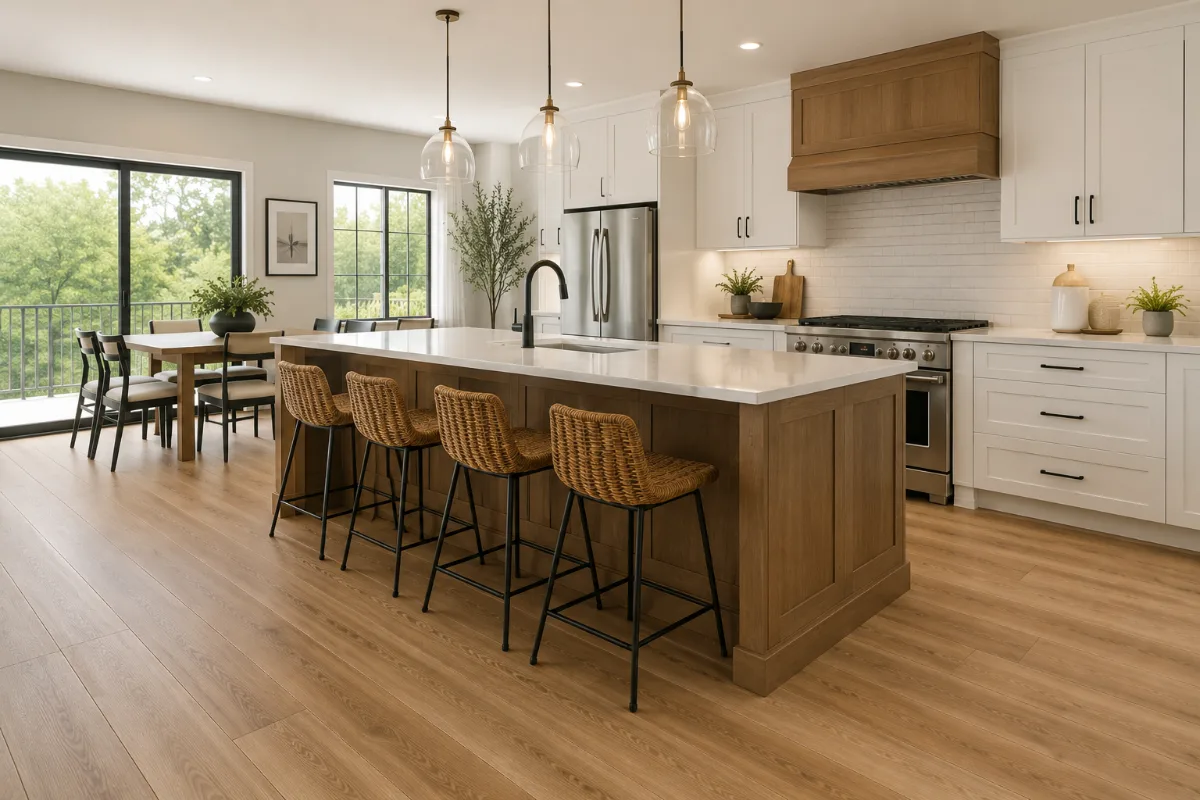
Luxury vinyl plank and tile flooring is a multi-layer synthetic flooring product engineered to replicate the visual quality of natural materials, most commonly wood, stone and ceramic, while providing performance characteristics that those natural materials cannot match.
The construction of luxury vinyl flooring begins with a rigid or semi-rigid backing layer, which in the most common current products is a composite of vinyl and limestone, or a rigid wood-plastic composite core (WPC or SPC). The core provides the floor's structural stability and determines how it responds to temperature changes and subfloor irregularities.
Above the core is a photographic film layer that creates the visual impression of wood grain, stone veining or ceramic surface. This layer has improved so dramatically in the past decade that the best current LVP products are genuinely difficult to distinguish from engineered hardwood without close inspection.
Above the photographic layer is a clear wear layer, which protects the image below from scratching, scuffing and UV exposure. Wear layer thickness is measured in mils and is one of the most important specifications to check when evaluating a product: residential products typically range from 12 to 20 mils, with commercial-grade products reaching 28 mils and higher.
The term "luxury" in luxury vinyl flooring refers to the quality category rather than a formal standard. It distinguishes these multi-layer products from the vinyl sheet flooring of earlier generations, which was a single-layer material with limited visual quality and durability.
LVP vs. LVT: Understanding the Formats
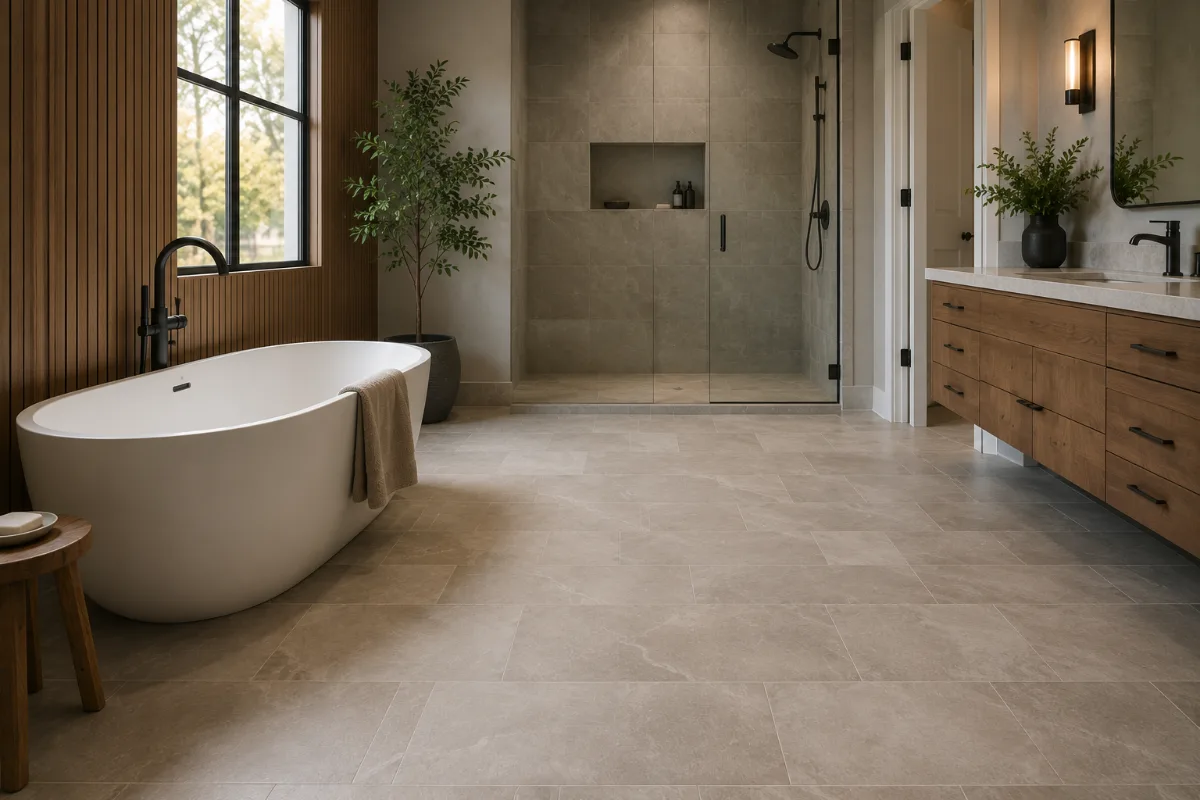
Luxury vinyl flooring is available in two primary formats, and the choice between them matters for both aesthetics and performance in specific applications.
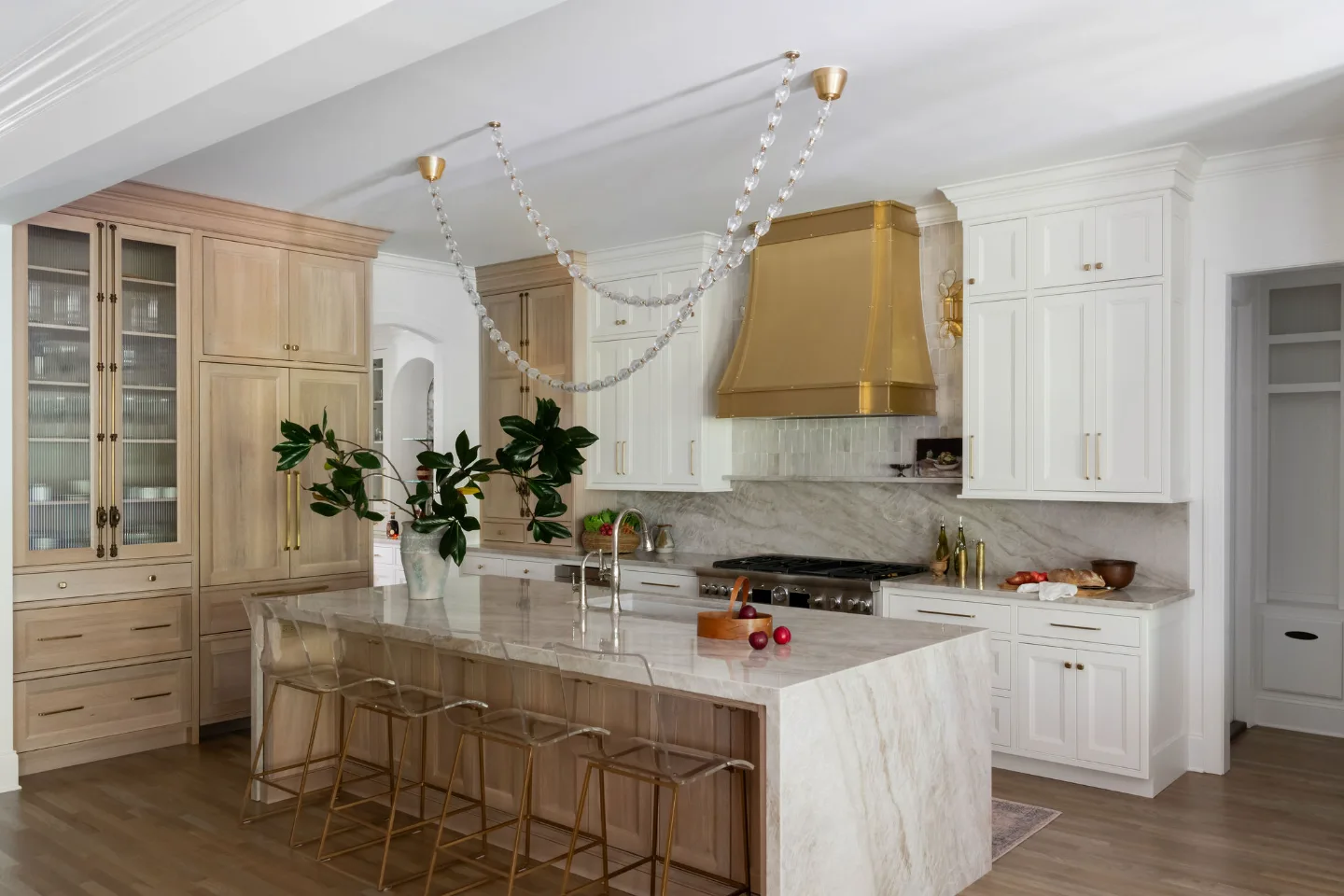
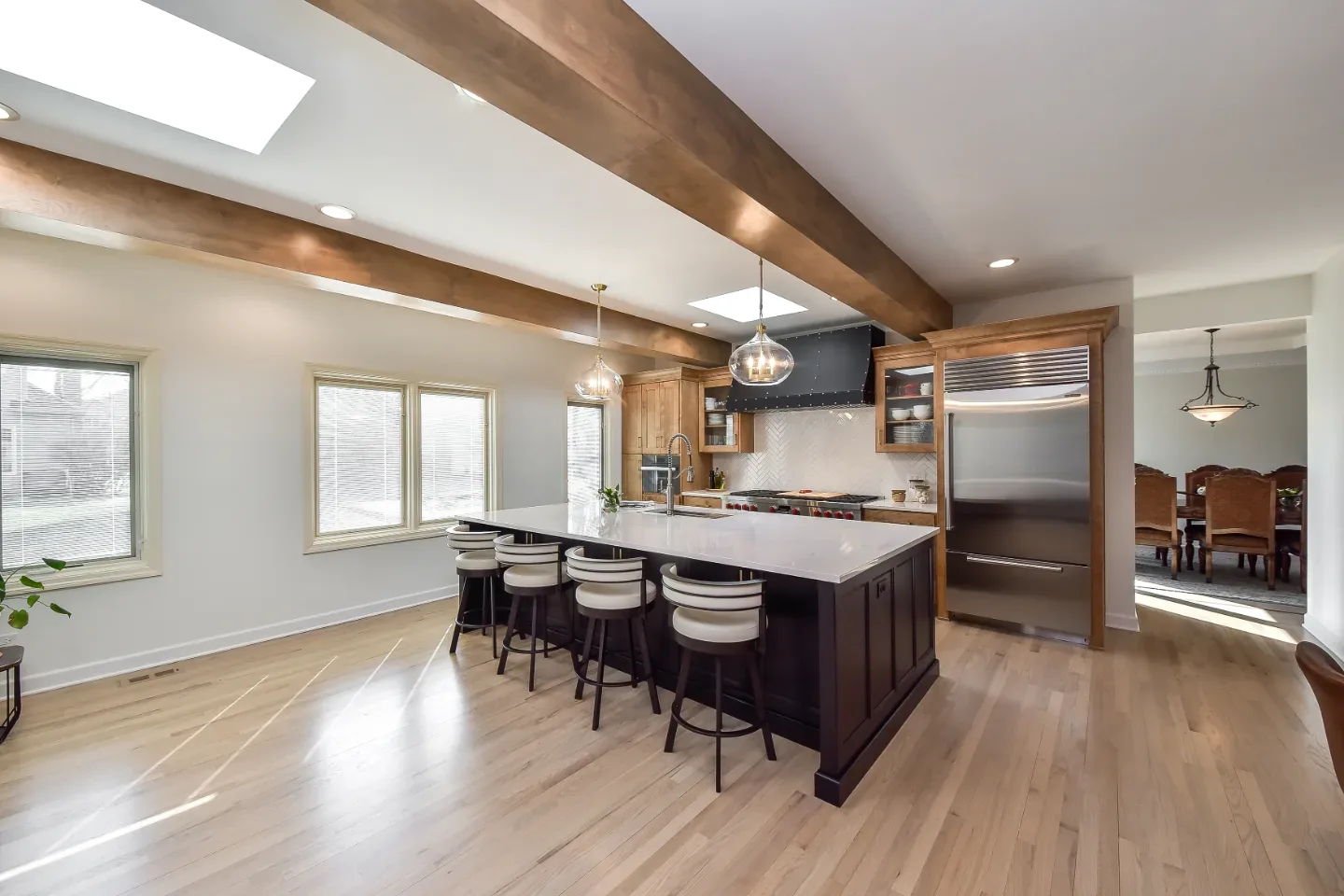
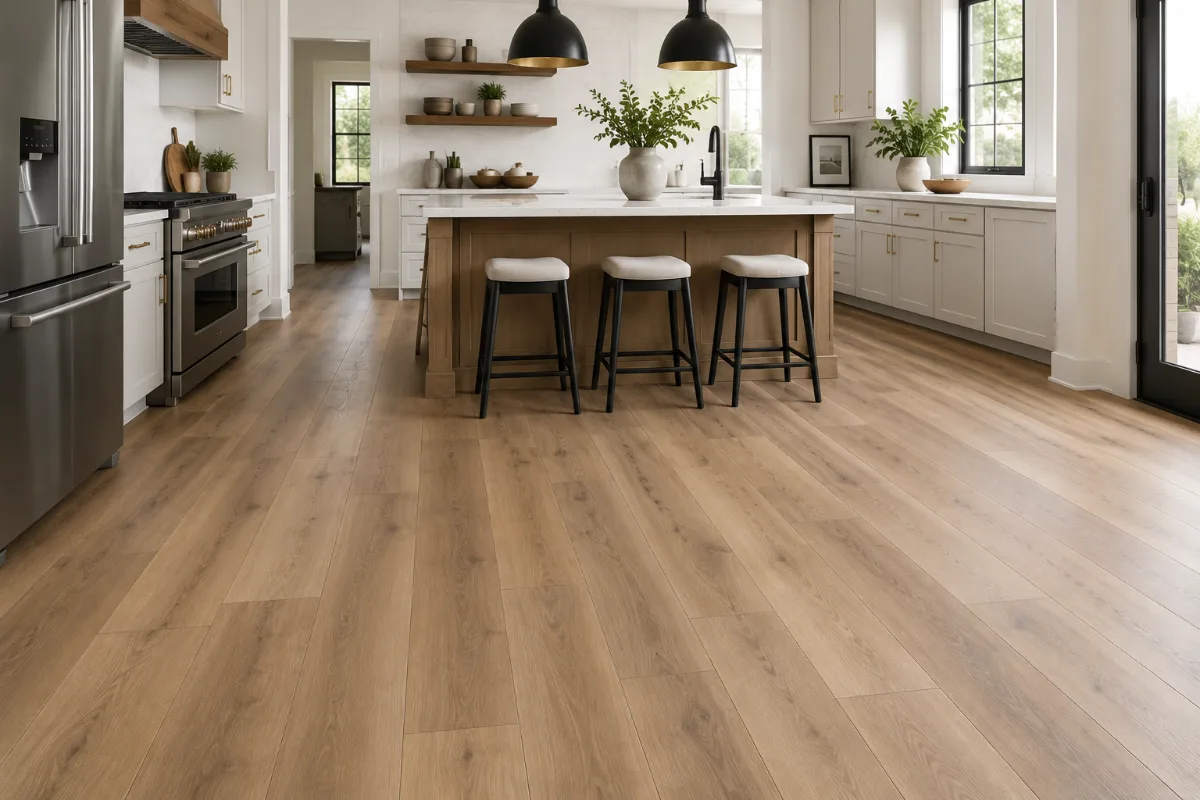
Luxury vinyl plank (LVP) replicates the appearance of wood flooring. It is produced in plank widths typically ranging from four to nine inches and lengths ranging from 24 to 72 inches. Wide-plank LVP in a warm white oak or natural wood tone is the format most commonly specified in Franklin and Brentwood kitchen remodels where a warmer, more residential aesthetic is desired without the moisture sensitivity that solid or engineered hardwood carries in a kitchen environment. The longer and wider the plank, the more seamless and contemporary the floor reads.
Luxury vinyl tile (LVT) replicates the appearance of stone, slate or ceramic tile flooring. It is produced in sizes ranging from small mosaic formats to large 24-by-24-inch tiles. LVT is particularly well suited to bathrooms, mudrooms and utility spaces where a stone or tile aesthetic is preferred and where the moisture resistance of the material is the primary selection criterion.
In both formats, the visual quality varies considerably between product tiers and manufacturers. Within a given budget, the photographic layer's realism, the embossing depth on the surface and the range of colorway variation between planks or tiles are the most meaningful quality indicators.
What Luxury Vinyl Flooring Costs, in Relative Terms
Luxury vinyl flooring occupies a broad range depending on product tier, format and installation method. Entry-level LVP products sit at the accessible end for material alone. Mid-range products appropriate for residential installation in Franklin and Brentwood homes represent the bulk of what is specified in remodels. Premium products, with thicker wear layers, more realistic visual layers and better core construction, command a meaningful step up from mid-range, reflecting their materials and performance.
Installation adds to the material investment, varying with the installation method, the subfloor preparation required and whether existing flooring needs to be removed first. Subfloor leveling, required when the existing subfloor has irregularities that exceed the tolerance of the LVP product being installed, is billed separately.
Taken together, a complete LVP flooring installation in a Williamson County home, including mid-range material and professional installation, positions luxury vinyl plank well below solid hardwood and most engineered hardwood products in overall investment, while offering better moisture resistance than either. We provide specific figures for any project once we understand the scope, product tier and subfloor conditions involved.
Types of Luxury Vinyl Installation
Luxury vinyl flooring is available in several installation configurations, each with different performance characteristics and practical implications for the homeowner.
Floating interlocking LVP is the most common format in residential applications. Individual planks have precision-machined tongue-and-groove edges that click together without any adhesive. The assembled floor floats over the subfloor rather than being attached to it. This allows for relatively quick installation, straightforward removal if needed in the future and a degree of dimensional movement accommodation that glue-down systems do not provide. Floating LVP requires a flat subfloor within the manufacturer's specified tolerance, typically plus or minus three-sixteenths of an inch over ten feet, and an appropriate underlayment to manage minor subfloor irregularities and provide acoustic dampening.
Glue-down LVP is adhered directly to the subfloor using a pressure-sensitive vinyl adhesive. This produces a more stable installation that does not flex or move underfoot, which is perceptible in a floating installation particularly over larger spans. Glue-down is the appropriate choice for installations over radiant heated subfloors, in commercial applications where traffic density is high, and in any installation where the floating system's slight flex would be noticeable. The tradeoff is that glue-down installations are substantially more difficult to remove.
Self-adhesive LVT has a pressure-sensitive adhesive layer on the backing and is applied directly to the subfloor without separate adhesive. This format is more common in commercial applications and utility spaces than in primary residential rooms. Loose-lay LVP uses a high-friction backing that holds the floor in place without adhesive, relying on friction between the floor and the subfloor rather than mechanical or chemical bonding.
Where Luxury Vinyl Flooring Works Best
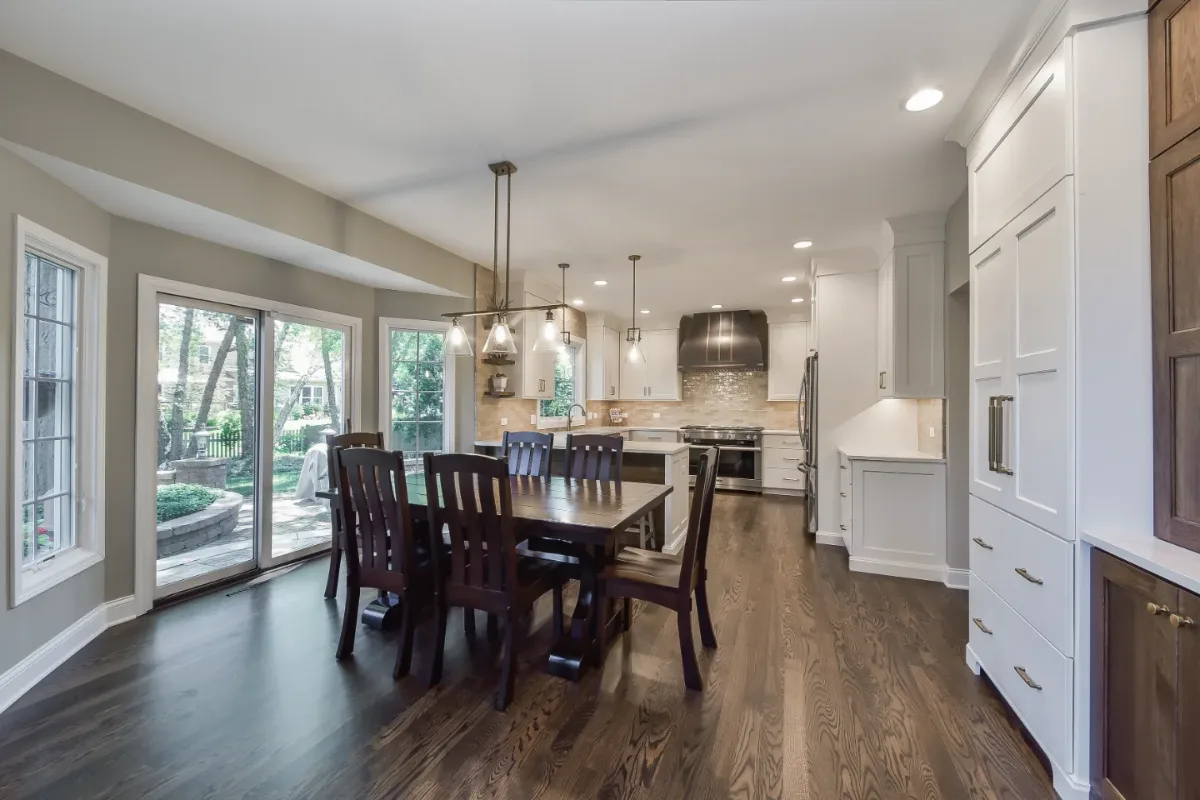
The performance characteristics of luxury vinyl flooring make it particularly well suited to specific applications in a Franklin or Brentwood home, and less well suited to others.
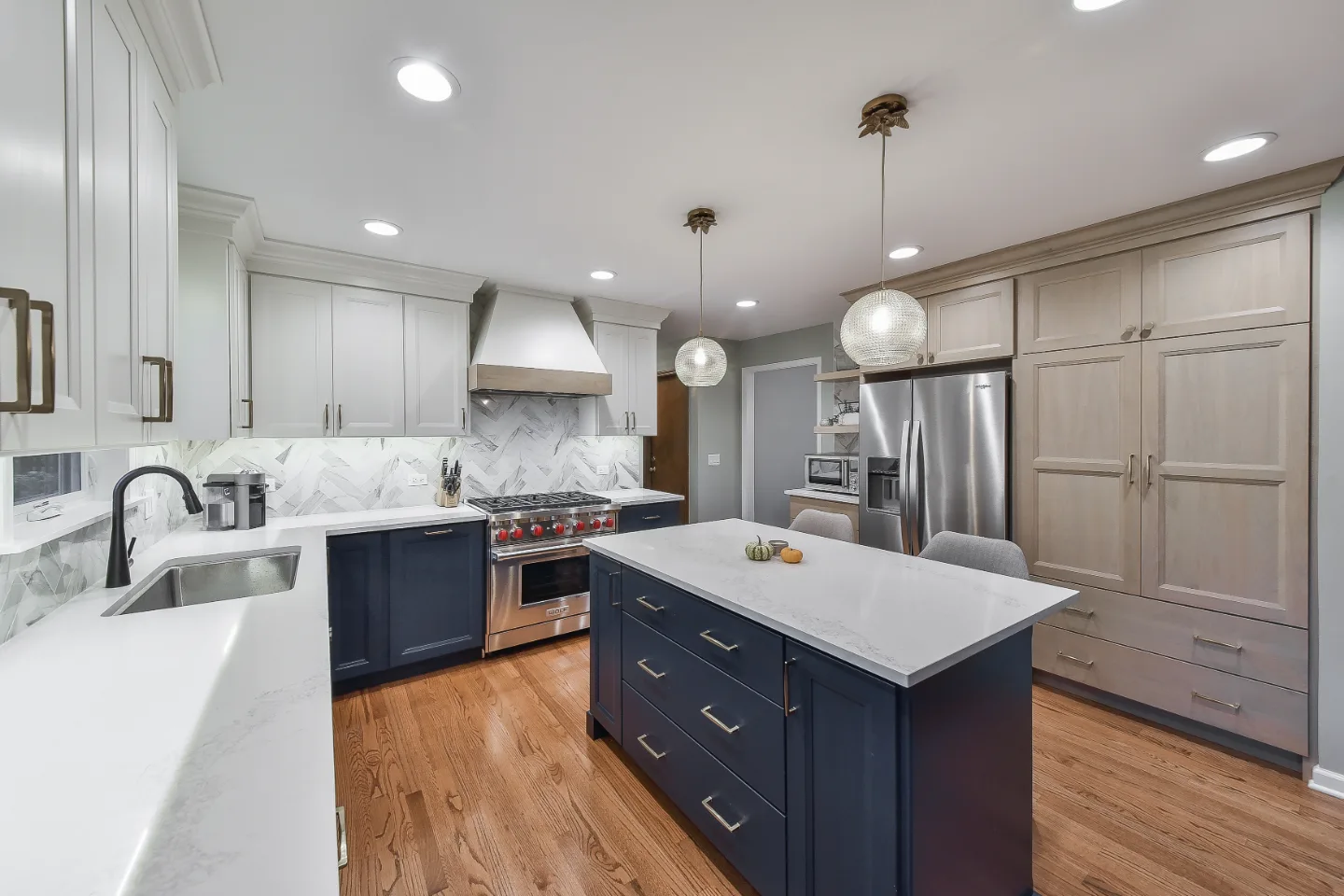
Our companion piece on designing high-traffic spaces to last covers this same durability principle across the whole home. Kitchens are the application where LVP has most clearly displaced engineered hardwood in Williamson County remodels. The moisture resistance of luxury vinyl, which does not swell, warp or absorb spills the way wood flooring does, makes it genuinely appropriate for a kitchen environment in a way that hardwood is not. At the same time, the wide-plank wood-look formats available in high-quality LVP read as warm and residential rather than synthetic, which addresses the primary objection homeowners raise to vinyl flooring in a visible living space. Check samples under the fixtures you plan to use, since a plank's finish can read differently under the lighting styles covered in our interior lighting trends.
"The specification question we face most often in kitchen remodels is LVP versus engineered hardwood," says Bryan Sebring, CGR. "In a Williamson County kitchen, we lean toward LVP in most cases because the moisture exposure from cooking, cleaning and the inevitable spills around the sink and dishwasher is genuinely hard on wood over time. The best LVP reads beautifully and holds up to everything that happens in a working kitchen. Engineered hardwood has its place, but it requires more care in a kitchen than most clients want to give it."
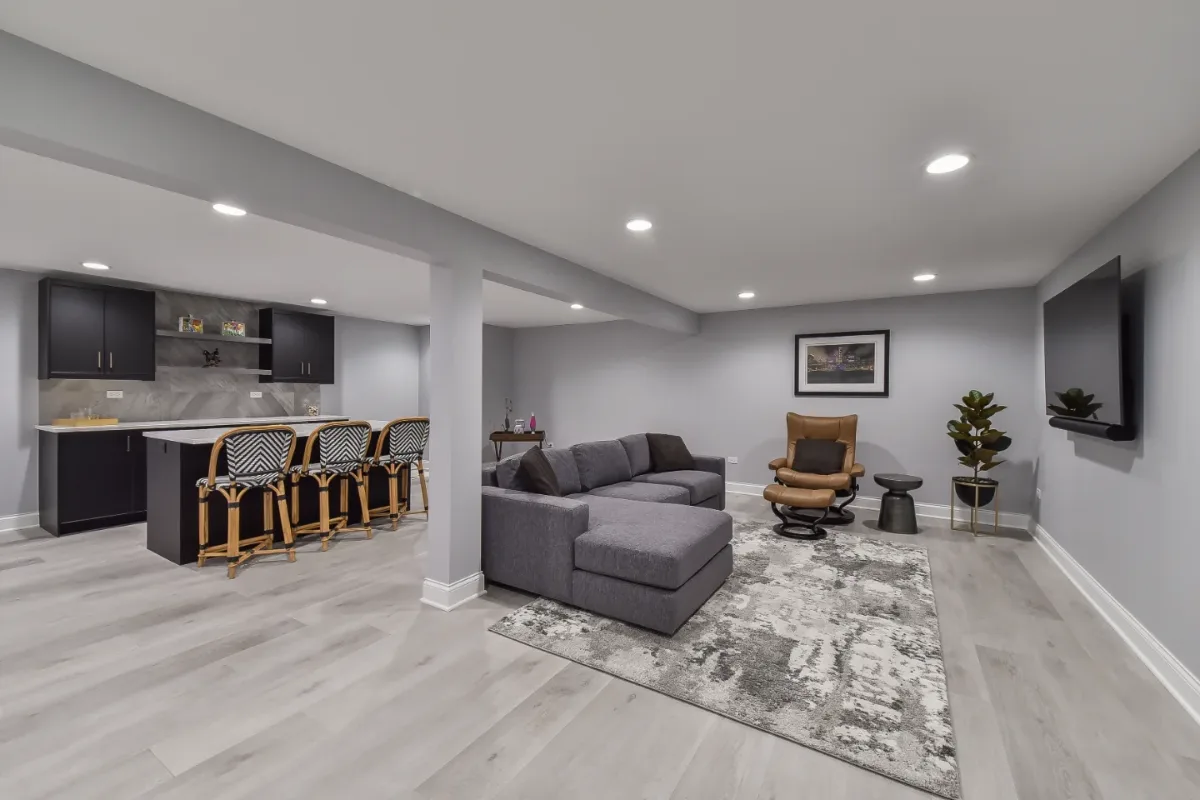
Mudrooms are another strong application for both LVP and LVT, where the combination of moisture from wet footwear, heavy traffic and the need for easy cleanup make a waterproof, resilient surface the appropriate choice. Laundry rooms and utility spaces benefit from the same combination of properties. Basements are a natural application for LVP because below-grade spaces experience the humidity fluctuations and occasional moisture intrusion that would damage wood flooring, and the floating installation system accommodates the slight moisture movement that concrete subfloors exhibit seasonally.
Bedrooms and living areas are applications where LVP competes directly with engineered hardwood and where the choice is genuinely more a matter of preference and budget than performance. The acoustic quality of a floating LVP floor, which has a slightly hollow sound underfoot compared to a glued hardwood installation, is the most common distinction homeowners notice in side-by-side comparisons.
The Benefits of Luxury Vinyl Flooring
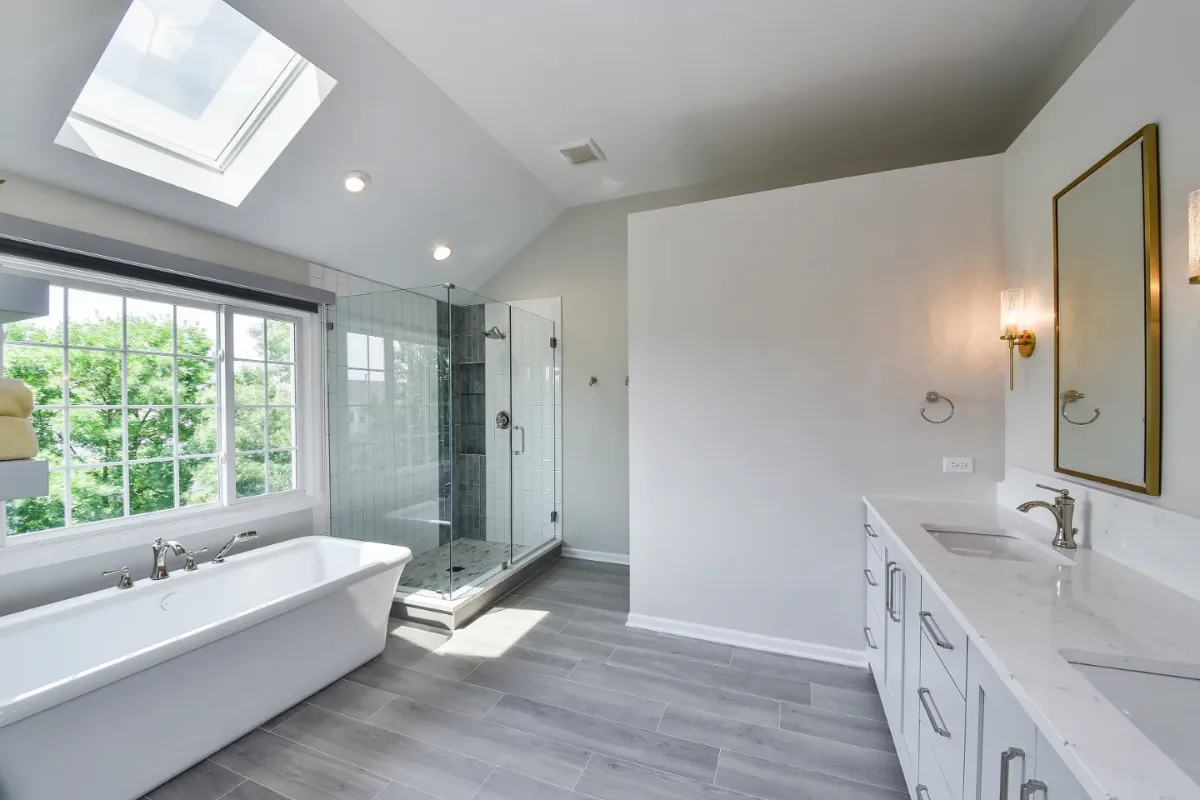
Luxury vinyl flooring's rise to prominence in residential remodeling is driven by a combination of performance characteristics that no single competing product category matches across all dimensions.
Waterproof construction is the most consequential advantage. Unlike hardwood, engineered hardwood and laminate flooring, which are all susceptible to moisture damage in varying degrees, quality luxury vinyl flooring is genuinely impervious to water at the surface level. Spills that sit on the floor rather than working into seams do not damage LVP. This characteristic makes it appropriate for spaces that hardwood cannot realistically occupy.
Durability under traffic is another distinguishing characteristic. The wear layer protects the photographic layer below from scratching and scuffing caused by foot traffic, furniture movement and pet claws. A product with a 20-mil wear layer provides substantially more resistance to surface damage than a product with a 12-mil wear layer, and the investment in a thicker wear layer pays dividends over the life of the installation.
Maintenance is simpler than most competing products. Regular sweeping and occasional damp mopping is sufficient for most LVP installations. The surface does not require sealing, refinishing or any periodic treatment. This characteristic is particularly valuable in high-traffic areas and in households with young children or pets.
Comfort underfoot is better than ceramic or stone tile, particularly in kitchens and mudrooms where extended standing is common. The resilience of the vinyl core absorbs impact rather than transmitting it directly to the foot, which reduces fatigue during long cooking sessions compared to tile or concrete.
What to Know Before Buying
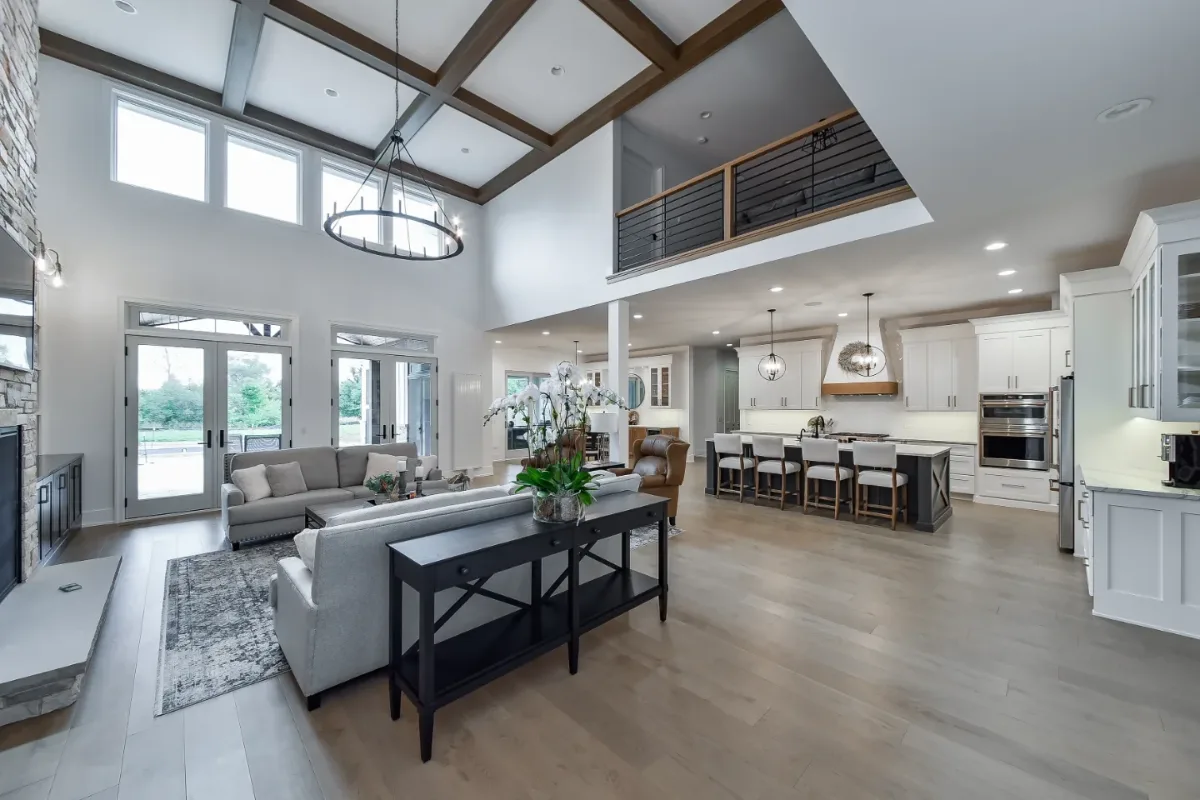
Several specifications and purchasing considerations make a meaningful difference in how a luxury vinyl flooring installation performs and how long it lasts.
Wear layer thickness is one of the most important specifications to verify before purchase. For primary residential rooms with standard traffic, a minimum of 12 mils is appropriate. For households with dogs, young children or heavy traffic patterns, 20 mils provides substantially better long-term performance. Commercial-grade products at 28 mils and above are more durable than any residential application requires.
Core type affects dimensional stability and how well the product handles subfloor imperfections. Stone plastic composite (SPC) cores are denser and more rigid than wood plastic composite (WPC) cores, which makes SPC products better for subfloors with minor irregularities and for installations over radiant heat. WPC cores provide slightly more underfoot comfort but less rigidity.
Plank width and length affect the visual character of the installation. Wider and longer planks produce a more contemporary, seamless appearance and make smaller rooms read as larger. Narrower and shorter planks produce a more traditional wood-floor appearance. The trend in Franklin and Brentwood remodels is toward wide-plank formats of six inches and above. Rendering the plank width in 3D design visualization before you order shows how it reads in your actual room.
Transition materials, which are the strips that bridge the gap between LVP and an adjacent flooring type, are worth researching before finalizing a product selection. A limitation of some LVP products is the absence of a well-matched transition strip in a complementary material. A good flooring contractor will have recommendations for transitions that read as natural rather than clearly institutional, including wood transition strips stained to coordinate with the LVP's color.
Final Thoughts
Luxury vinyl plank and tile flooring occupies a well-earned position in the Williamson County remodeling market because it delivers genuine performance advantages in the applications where those advantages matter most. For kitchens, mudrooms, basements and utility spaces in Franklin and Brentwood homes, it is frequently the most practical choice. For bedrooms and primary living areas, it competes effectively with engineered hardwood at a lower investment.
The quality range within the LVP category is wide enough that the buying experience matters. Products at the lower end of the range are distinguishable from the better products in both visual quality and long-term performance. Working with a flooring professional who can guide product selection in relationship to the specific application, subfloor conditions and budget produces better outcomes than purchasing on material cost alone. Product lifespan and material sourcing are worth weighing alongside the other sustainable remodeling choices in your plan.
Sebring Design Build specifies flooring as part of each complete kitchen and home remodel in Franklin, Brentwood and across Williamson County. If you are planning a remodel and would like guidance on flooring selection, contact Sebring Design Build to schedule your complimentary consultation. Learn more about our home remodeling services in Franklin, TN, or explore our portfolio of finished projects.