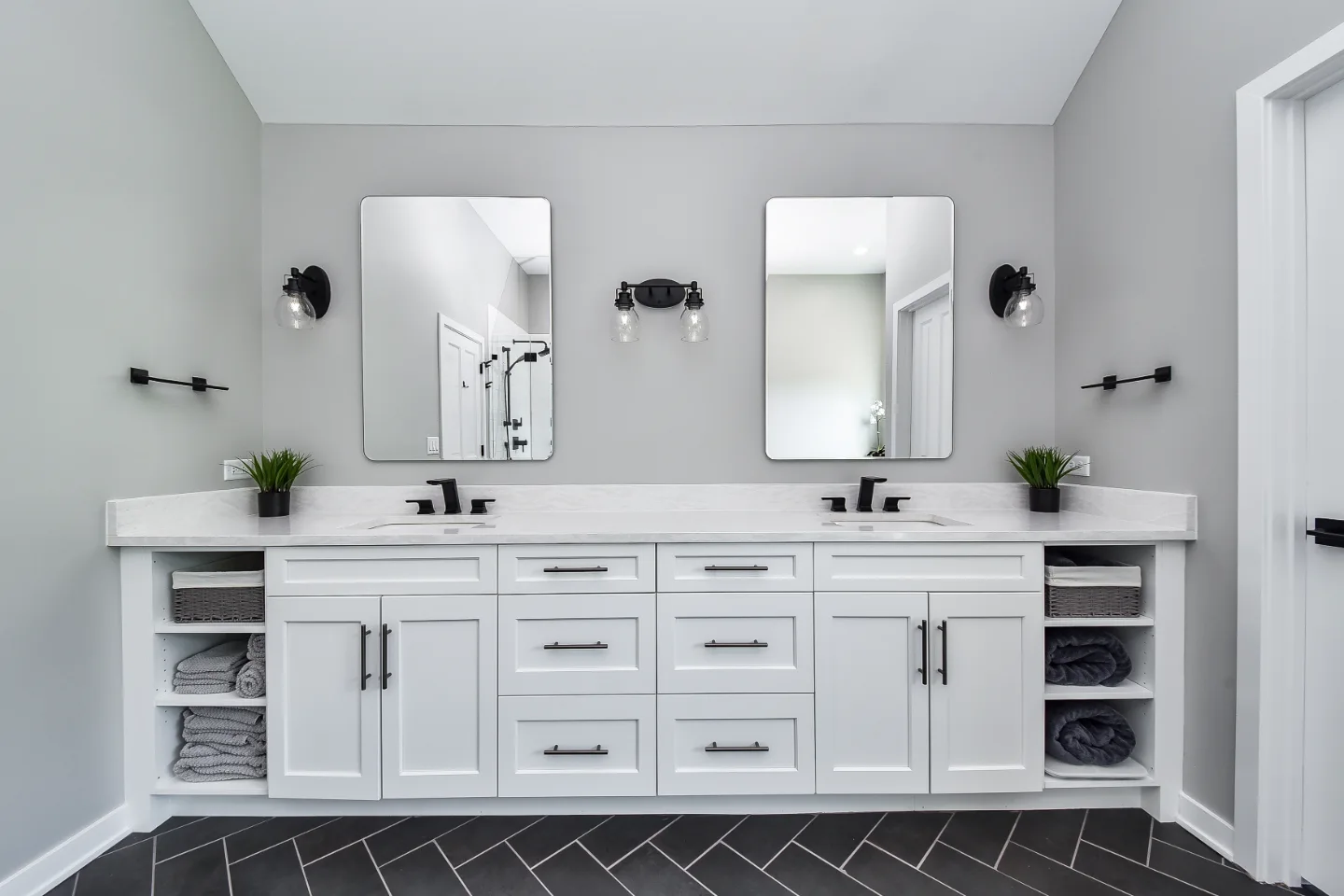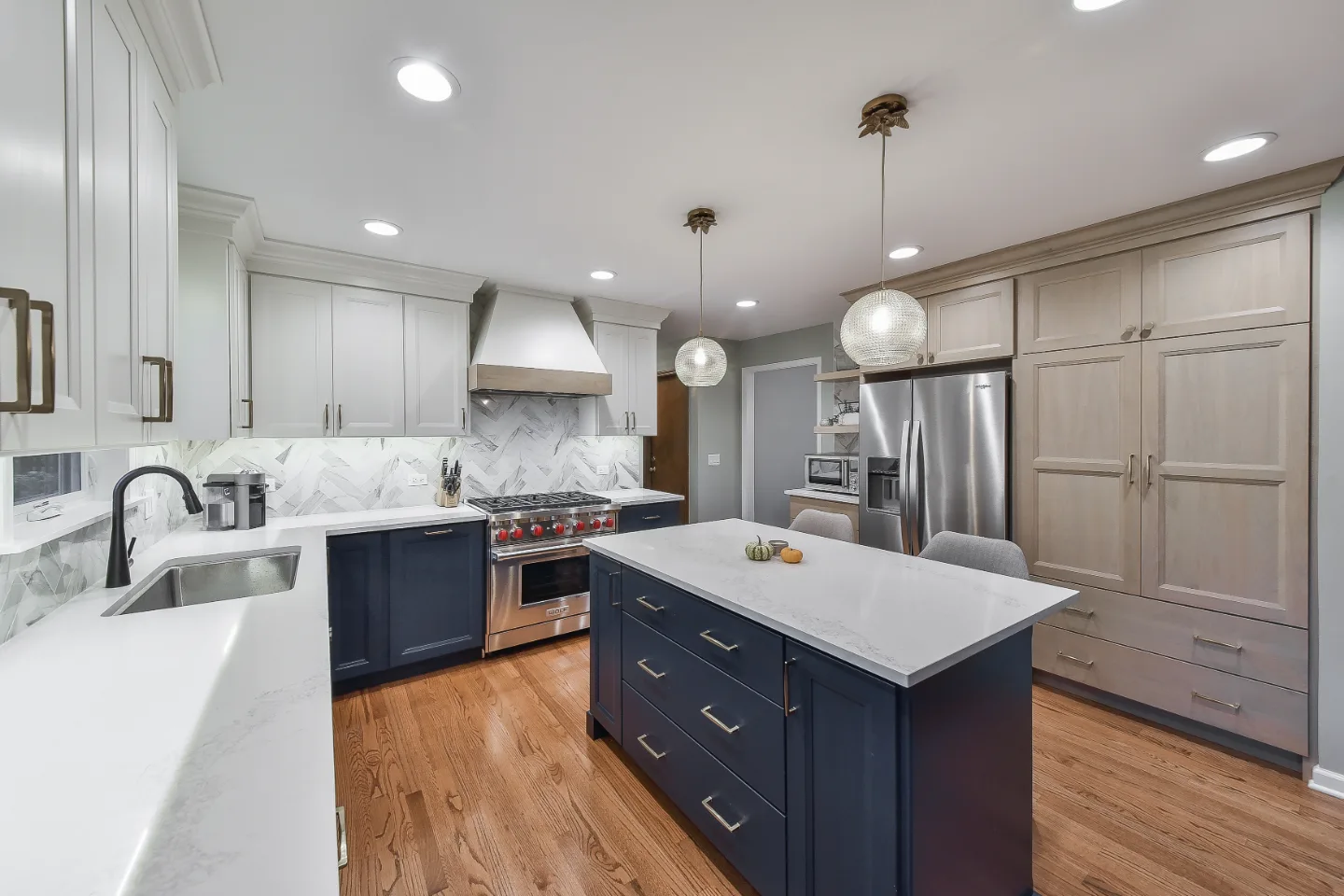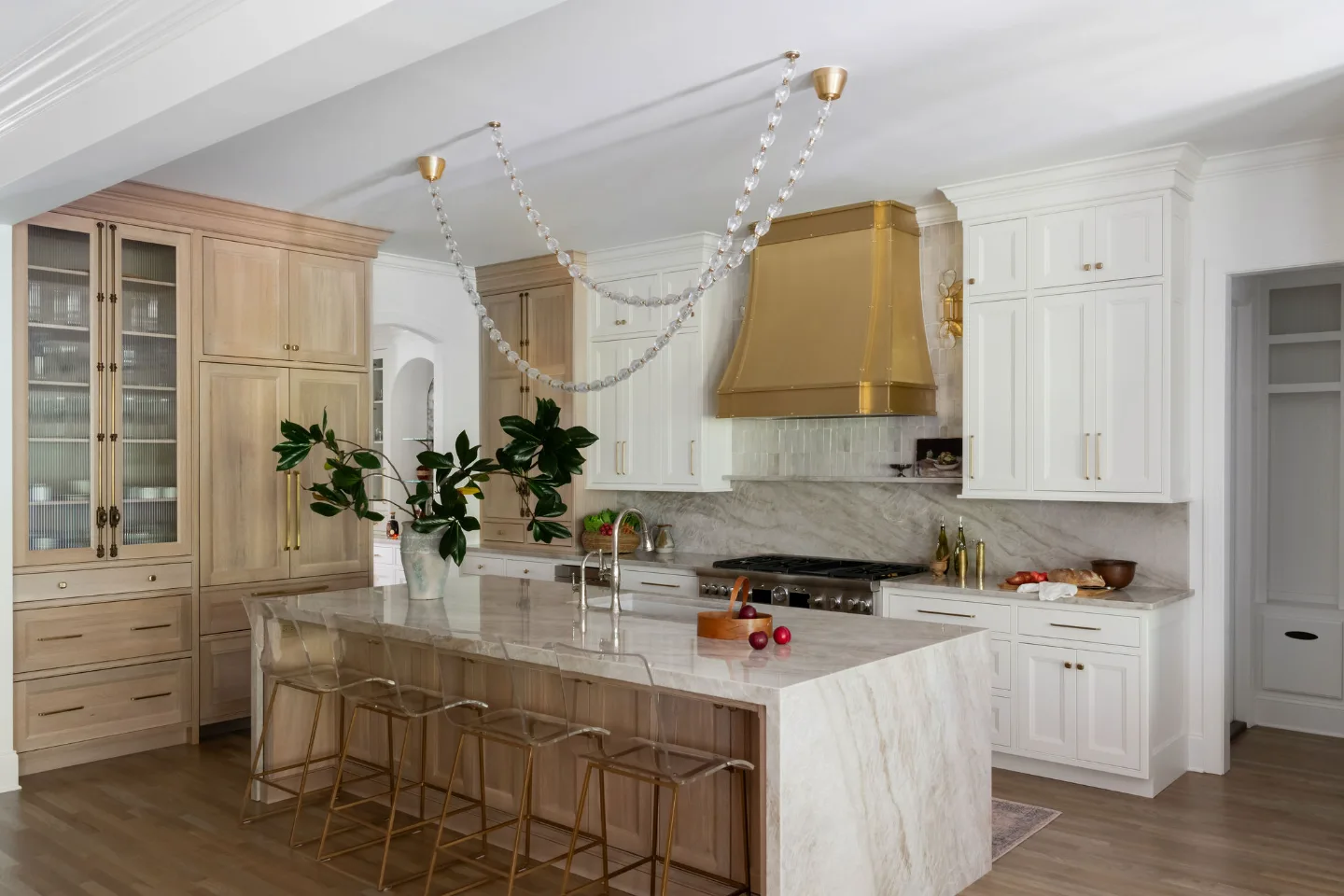
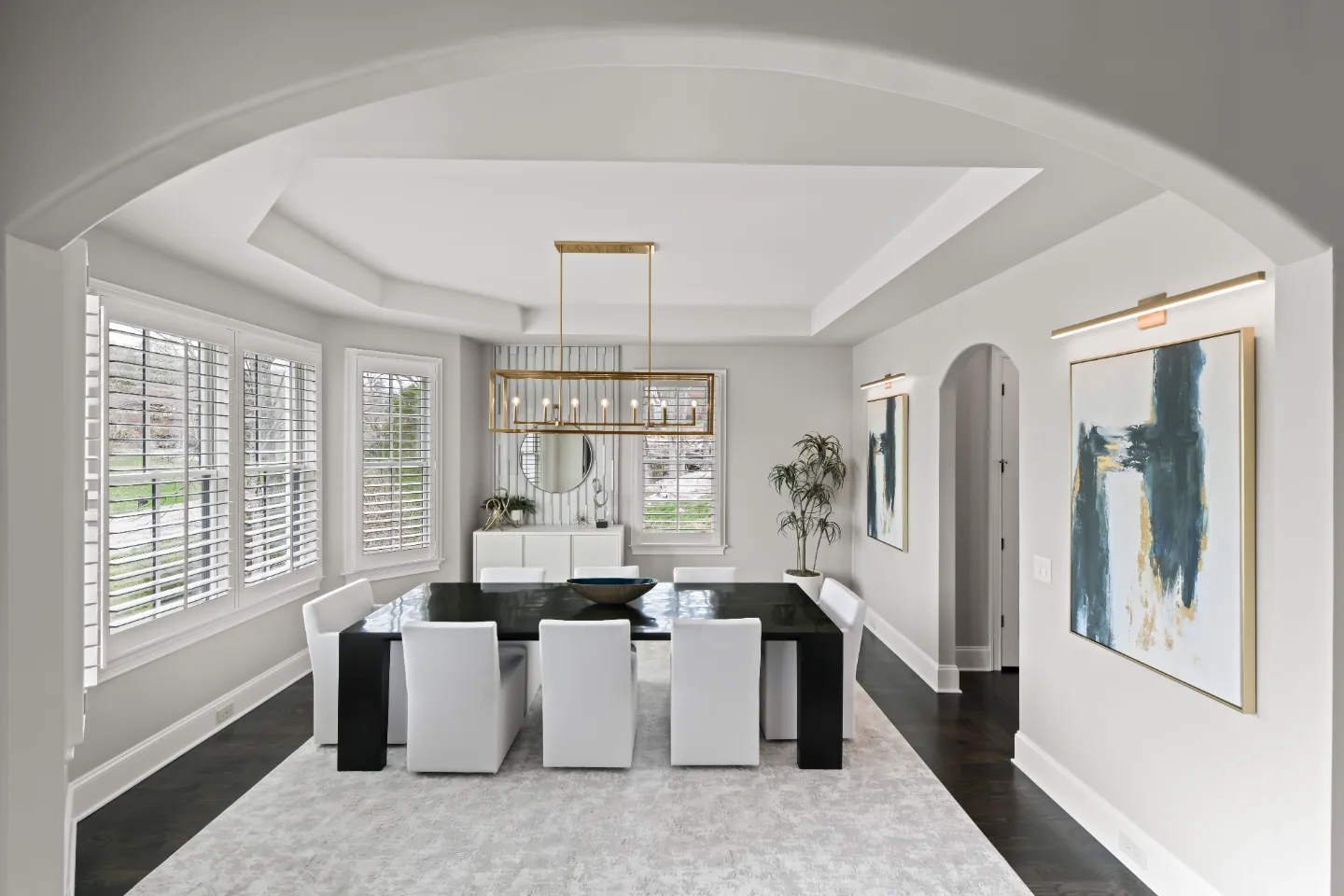
Remodeling a Williamson County home is an investment in daily life. The most considered remodels today go further: they are also investments in how a home performs over decades, in the quality of the air inside it, in the energy it uses and in the materials it is built from. Sustainable remodeling has moved from a specialty interest to a natural extension of building well, and the homeowners who approach it thoughtfully end up with spaces that are more beautiful, more comfortable and more resilient than those built without that intention.
This guide covers the materials, systems and approaches shaping thoughtfully built remodels across Franklin and Brentwood today. From material selection to energy systems to indoor air quality, these choices produce homes that feel genuinely different to live in, and that hold their quality over time.
Why Sustainability in Remodeling Matters
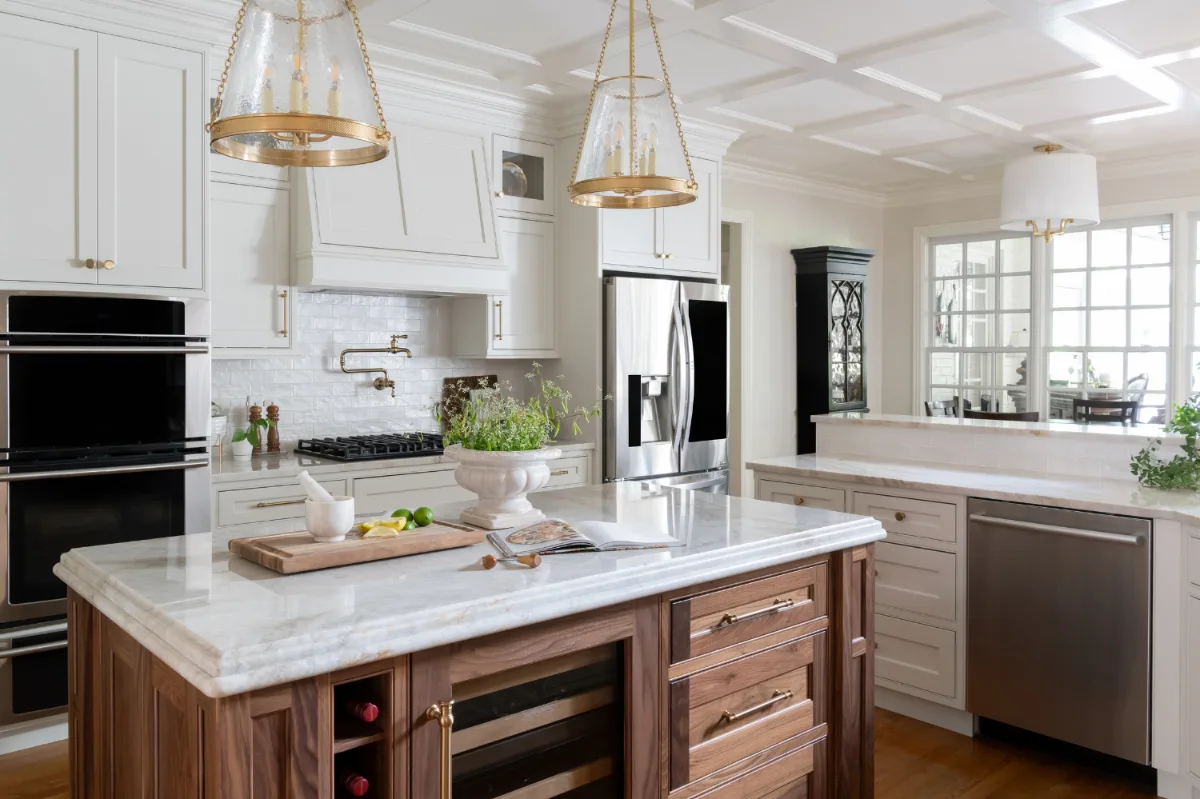
Sustainable remodeling is not primarily about environmental messaging. It is about quality. The materials and systems that define a sustainable remodel are also, almost without exception, the ones that perform well, hold up over time and contribute to a home that genuinely feels good to be inside.
The practical case is equally clear. Energy-efficient systems reduce utility costs on an ongoing basis. Durable, honest materials require fewer replacements and maintain their appearance with less maintenance. Low-emission finishes help keep indoor air cleaner to breathe. And in Williamson County, where buyers tend to look closely at primary kitchens and baths, a remodel built to a high material and systems standard holds its value in ways that cosmetically similar work does not.
Sustainability and quality are not competing priorities. They are the same priority, approached with care. Our guide to remodeling without falling into trends covers a closely related principle.
Key Principles of Sustainable Remodeling
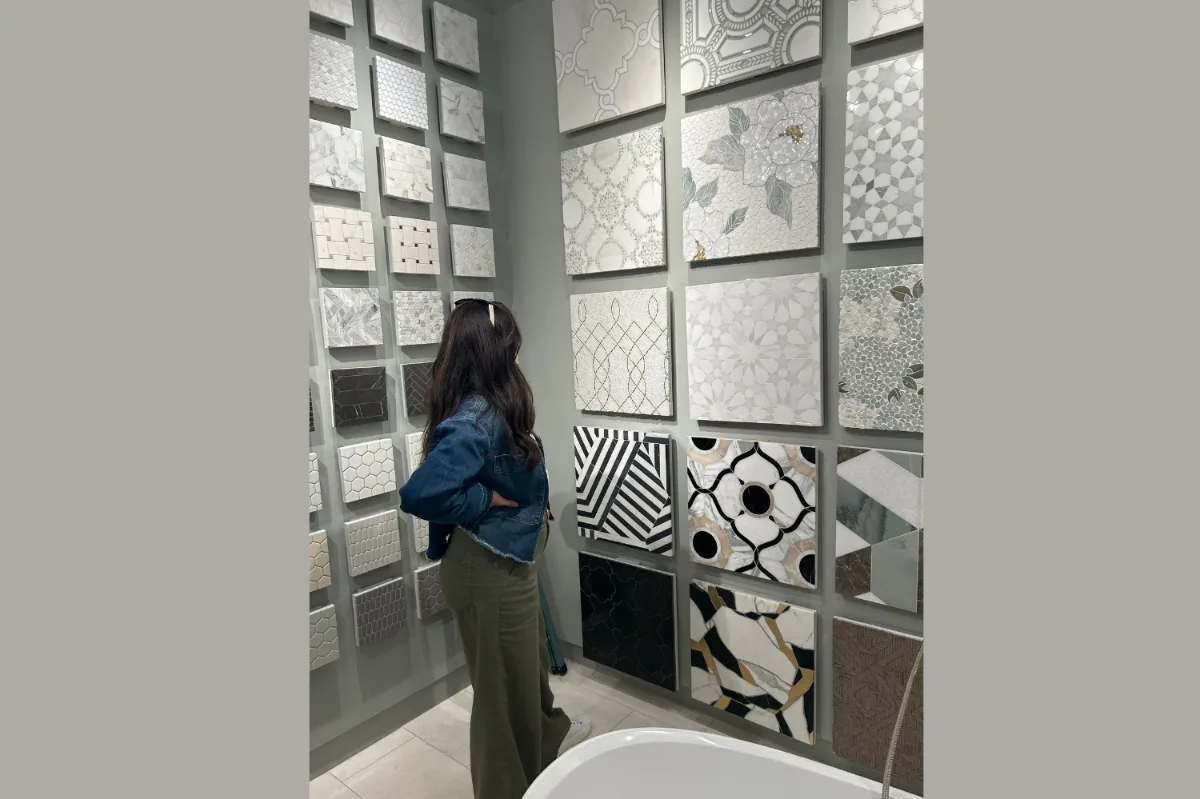
Six principles guide each sustainably minded remodel at Sebring Design Build, and every one of them reinforces the quality of the finished project rather than competing with it.
- Energy efficiency addresses consumption through smart systems, insulation quality and the efficiency of appliances and HVAC. A home that uses less energy costs less to operate and is more comfortable in each season.
- Material selection favors materials that are recycled, renewable or responsibly sourced, and that will maintain their quality over the life of the home without requiring frequent replacement.
- Water conservation applies to fixture selection and system design, reducing consumption without any perceptible change in performance for the people living in the home.
- Indoor air quality is shaped by each finish and adhesive that goes into a space. The right choices produce cleaner indoor air and a healthier home to live in.
- Waste reduction addresses how a remodel is built, not just what it is built with. Careful planning, material ordering and construction sequencing all reduce the amount of material that ends the project in a landfill.
- Smart design allows the home to work with its environment: daylight captured and distributed well, passive ventilation where the orientation allows, layouts that reduce the energy needed to heat, cool and light the space.
Eco-Friendly Materials for Remodeling
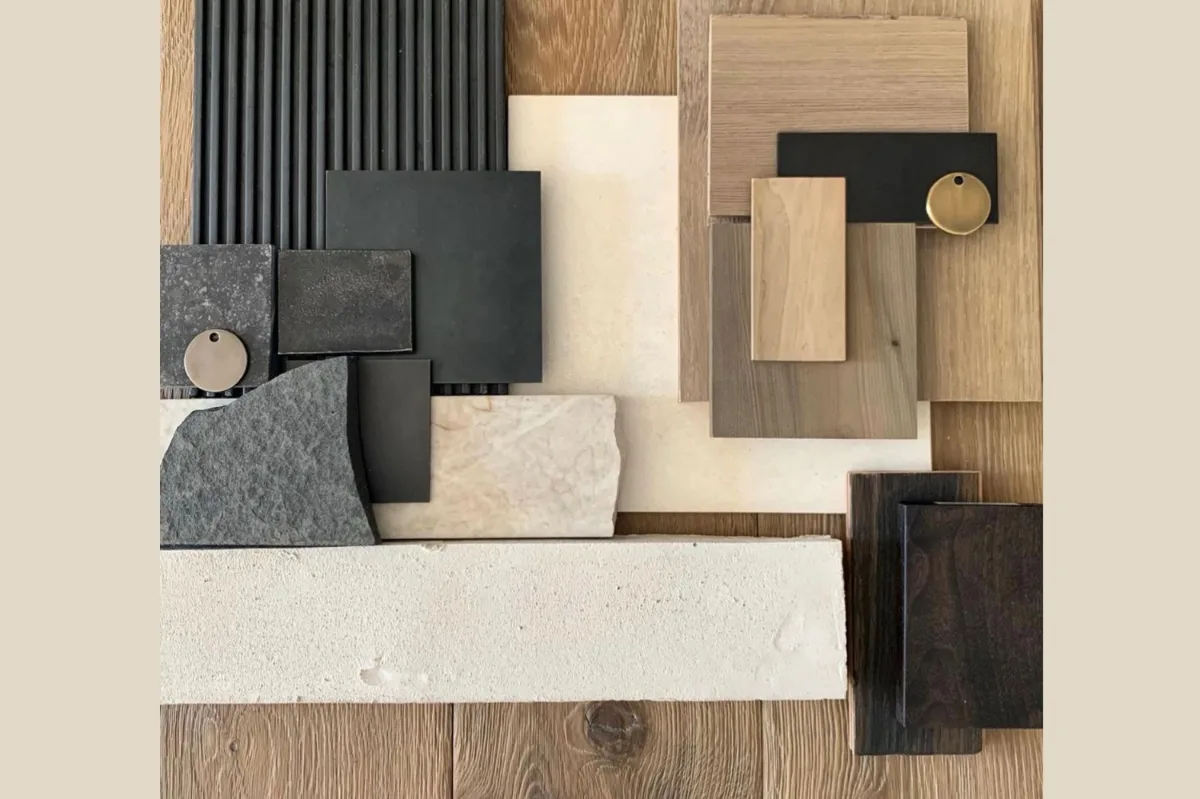
Enduring sustainable remodels in Franklin and Brentwood are built from materials that perform beautifully over time and carry a lower environmental cost than their conventional alternatives. These are not specialty materials requiring compromise. They are the materials found throughout carefully considered residential work in this market.
Reclaimed wood brings character and history that no new-milled material can replicate. Sourced from old structures, it arrives with grain, patina and natural variation already developed, and it carries none of the emissions associated with new lumber production. It works beautifully for flooring, cabinetry faces, custom millwork and ceiling design ideas such as exposed beams or wood slats throughout a Franklin or Brentwood home.
Bamboo has emerged as a genuinely compelling flooring and cabinetry material because it reaches maturity in a fraction of the time required for hardwoods, while offering comparable hardness and a distinctly refined visual quality. It is one of the most naturally renewable options available in residential remodeling today.
"The sustainable materials that resonate most with our clients are the ones with inherent beauty and honest character," says Bryan Sebring, CGR. "Reclaimed oak or natural quartzite doesn't need to be justified on environmental grounds alone. It holds up, it looks better over time and it reads as genuinely luxurious. The sustainability is almost a secondary benefit."
Low-VOC paints and finishes deserve particular attention because they affect each room in the house. Traditional paints release volatile organic compounds into the air for months after application. Low- and zero-VOC alternatives perform comparably in terms of coverage and durability while producing noticeably better indoor air quality from the moment the home is occupied.
Recycled glass tile and recycled concrete countertops offer material options with genuine visual interest, vibrant color and texture variety while repurposing post-consumer material that would otherwise enter the waste stream. Both have proven themselves in high-use kitchen and bathroom applications.
Cork is harvested from bark without harming the tree, making it one of the most genuinely renewable flooring options available. It is often valued for being hypoallergenic and naturally antimicrobial, and it provides a surface quality underfoot that is distinctly comfortable, which makes it particularly appealing in kitchens and family spaces where people stand for extended periods.
Recycled metal, steel, aluminum and copper, are infinitely recyclable and reduce the energy and emissions tied to mining and refining virgin material. In a remodel, recycled metal brings a sleek, durable edge to railings, roofing and countertop or hardware details, and it resists pests, mold and fire far better than many alternatives.
Hempcrete, a biocomposite made from the woody core of the hemp plant and a lime-based binder, is a newer material gaining attention for insulation and wall applications. It is lightweight, insulating, breathable and naturally pest- and mold-resistant, and it absorbs carbon dioxide as it cures, though it remains a specialty material in residential remodeling.
The Best Eco-Friendly Home Improvements, Ranked by Impact
The best eco-friendly home improvements are the ones that cut energy use across the whole house first. In rough order of impact for most Williamson County homes: air sealing and added insulation in the attic and walls, a high-efficiency heat pump or HVAC system sized for the home, a heat pump water heater, replacement of failing or drafty windows, LED lighting with dimmers and smart controls, ENERGY STAR or induction kitchen appliances, WaterSense-labeled plumbing fixtures and low-VOC paints, adhesives and finishes throughout.
The order matters because each step makes the next one work better. A well-sealed, well-insulated home needs smaller, less expensive heating and cooling equipment, and efficient equipment pays back faster in a home that holds its temperature. Starting with the envelope and systems, then moving to fixtures and finishes, keeps the remodel investment working in the right sequence.
Energy-Efficient Upgrades
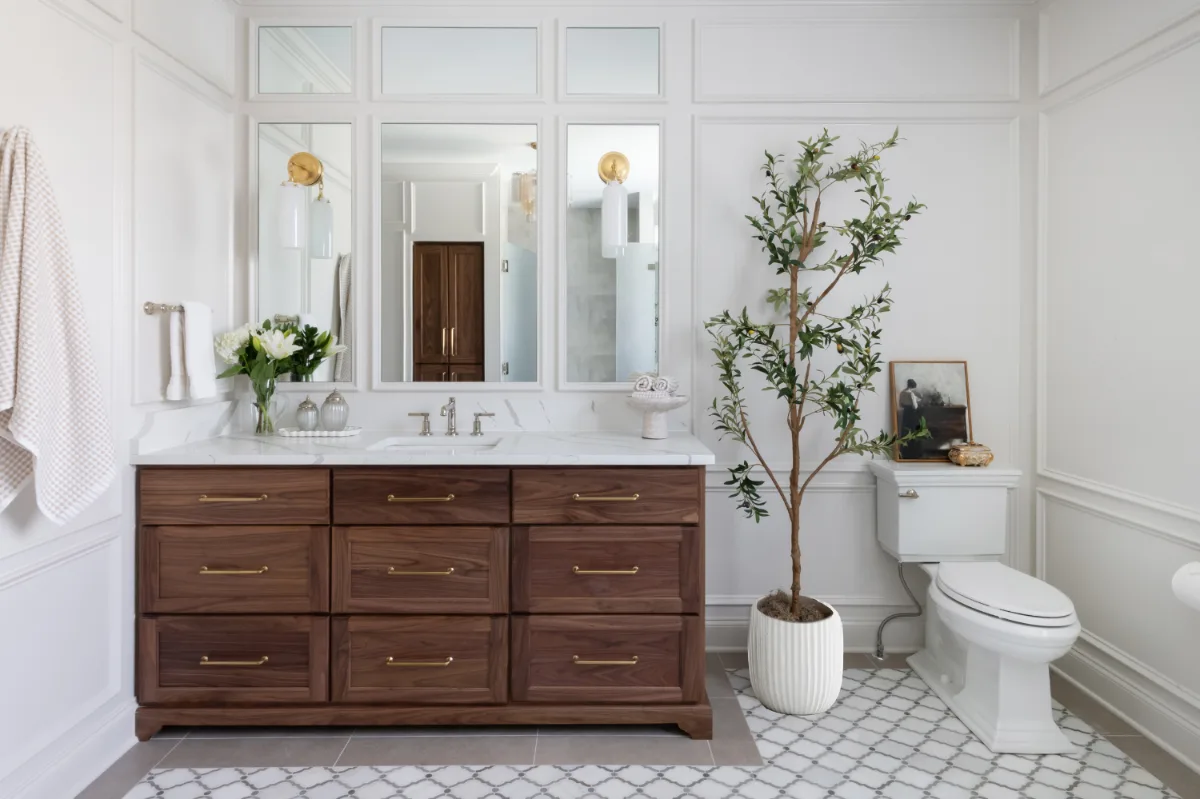
Energy efficiency is where sustainable remodeling produces its most immediate return. The systems and specifications that follow all reduce operating costs on an ongoing basis, and many of them also improve the physical comfort of the home in ways that daily life makes immediately apparent.
Insulation and air sealing are the foundation. A home with inadequate insulation or significant air leakage cannot be made efficient by any other upgrade. Addressing the building envelope first, with eco-friendly insulation options including cellulose, sheep wool or denim, produces a home that holds its temperature more consistently, runs its HVAC less frequently and maintains more even comfort from room to room.
High-performance windows are one of the most visible energy upgrades in a remodel. Double- or triple-pane windows with low-emissivity coatings and insulating gas fills reduce heat transfer substantially, which matters in both summer and winter across Williamson County's climate; quality double-pane low-E units are often the right balance for Middle Tennessee. They also reduce noise transmission, which is a quality-of-life benefit that homeowners notice immediately.
LED lighting has become the clear standard for residential applications. It uses a fraction of the energy of incandescent alternatives, lasts significantly longer and is available in the full range of color temperatures and fixture styles needed for a layered, sophisticated lighting plan in any room of the home, many of which are covered in our interior lighting trends.
ENERGY STAR certified appliances for the kitchen and laundry reduce electricity and water consumption with no performance compromise. Many qualify for manufacturer rebates or utility incentives that offset a portion of the initial investment.
Smart thermostats that learn household patterns and adjust automatically can produce meaningful, ongoing energy savings on heating and cooling costs, with no change required in daily behavior from the homeowner.
Solar panels represent one of the most significant steps toward energy independence available in a remodel, reducing or in some cases offsetting most grid electricity costs. With financing options widely available, solar has become a realistic addition for Williamson County homeowners rather than a niche investment, and it pairs naturally with the other efficiency upgrades in this list.
Cool roofing materials reflect more sunlight and absorb less heat than traditional shingles or tile, which reduces air conditioning demand during Tennessee's hot summer months and extends the lifespan of the roofing material itself. It is a straightforward upgrade with a direct impact on both comfort and long-term cost.
Water Efficiency and Conservation
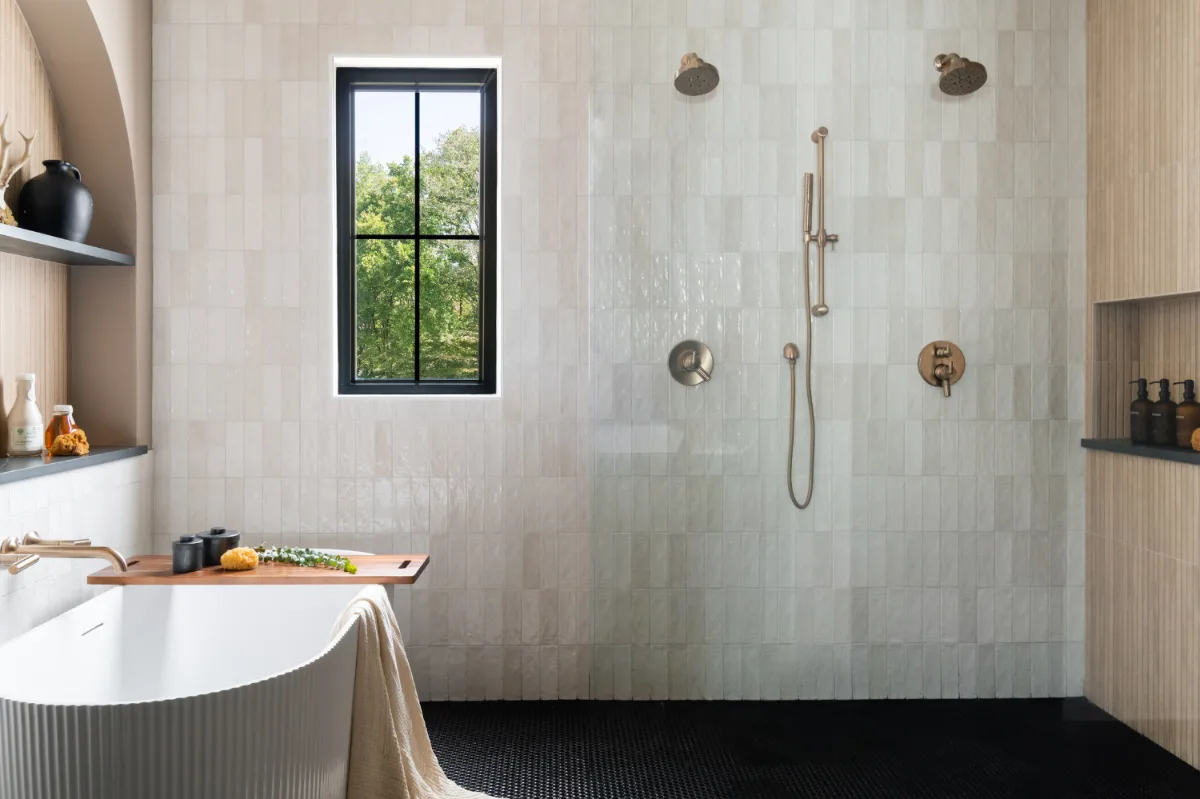
Water conservation in a remodel is a matter of fixture selection and system design, and well-chosen options today produce no perceptible difference in performance for the people using them while reducing consumption significantly over time.
Low-flow toilets, faucets and showerheads designed to contemporary standards maintain full water pressure and functional performance while using substantially less water per use than fixtures installed even a decade ago. In a primary bath designed around a rain shower head and a well-specified soaking tub, low-flow technology is built into the fixture selection without any visible indication in the design.
Greywater systems that collect and redirect water from sinks, showers and laundry for use in toilet flushing or landscape irrigation are increasingly practical in Williamson County homes where the site conditions and local code allow. They recycle water that would otherwise leave the home entirely, reducing fresh water demand without any change in the occupants' daily routine.
Rainwater harvesting addresses landscape irrigation specifically, capturing stormwater runoff from the roof for storage and directed application. In Franklin and Brentwood homes with significant landscaping, the reduction in irrigation water demand is meaningful and the system can be designed to integrate seamlessly into the exterior.
Drip irrigation delivers water directly to the base of plants rather than spraying it broadly, which reduces evaporation loss and prevents the overwatering that broad sprinkler coverage tends to produce. Paired with a rainwater harvesting system, it is one of the most effective ways to keep a Williamson County landscape lush while using meaningfully less water.
Creating a Healthy Indoor Environment
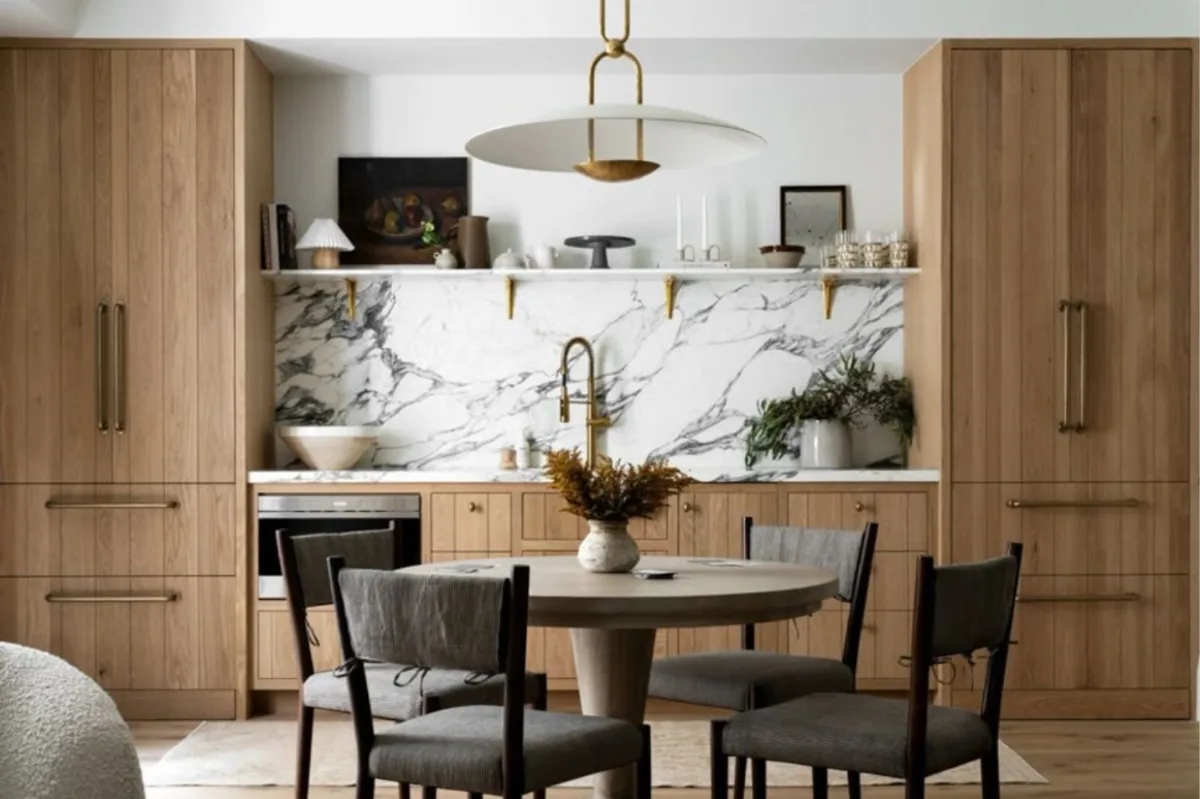
The materials a home is built from, the finishes applied to its surfaces and the way air moves through its spaces all contribute to the indoor environment that the people living there breathe and experience each day. A sustainably built remodel addresses all three.
Low-emission materials free of formaldehyde, phthalates and VOCs produce better indoor air quality from the first day of occupancy. This applies to cabinetry, flooring adhesives, paint, sealants and every other product applied to interior surfaces. The difference between a home built with certified low-emission materials and one built with conventional alternatives is real, especially in the first months after a remodel.
Proper ventilation in a well-sealed, energy-efficient home requires intentional design. Heat recovery ventilators and energy recovery ventilators circulate fresh outside air through the home while capturing the thermal energy of the outgoing air, maintaining indoor air quality without sacrificing the efficiency benefits of a tight building envelope.
Natural daylight is both a health resource and an energy resource. A remodel designed to bring daylight deeper into the home, through window placement, skylight considerations and interior layout that does not block light paths, produces a space that feels energizing during the day and reduces the hours when artificial lighting is needed. The same thinking applies after dark, and layering your lighting with ambient, task and accent sources keeps energy use down without leaving rooms flat.
Moisture control protects both the structure and the occupants. Proper ventilation design, vapor barriers in appropriate locations and smart exhaust systems in bathrooms and kitchens keep moisture levels within a range that prevents mold growth and maintains the integrity of the building materials over time.
Sustainable Interior Design: The Best Materials
The best materials for sustainable interiors are durable, natural or recycled and low in emissions, because a material that lasts decades and keeps the air clean is the most sustainable choice of all. A dependable palette for a Franklin or Brentwood remodel includes FSC-certified or reclaimed white oak for floors and cabinetry, natural stone such as quartzite or limestone for counters, cork for comfortable flooring, lime or clay plaster for walls, recycled glass or handmade tile for backsplashes and natural fibers such as linen, wool and cotton for upholstery and rugs.
Certifications make the choice easier to verify. FSC certification confirms wood came from responsibly managed forests. GREENGUARD Gold certification indicates low chemical emissions for paints, adhesives, cabinetry and flooring. WaterSense labels identify faucets, showerheads and toilets that use less water, and ENERGY STAR marks efficient appliances and equipment. Choosing finishes with these labels is a simple way to build a healthier, longer-lasting interior.
Building Sustainably Over Time
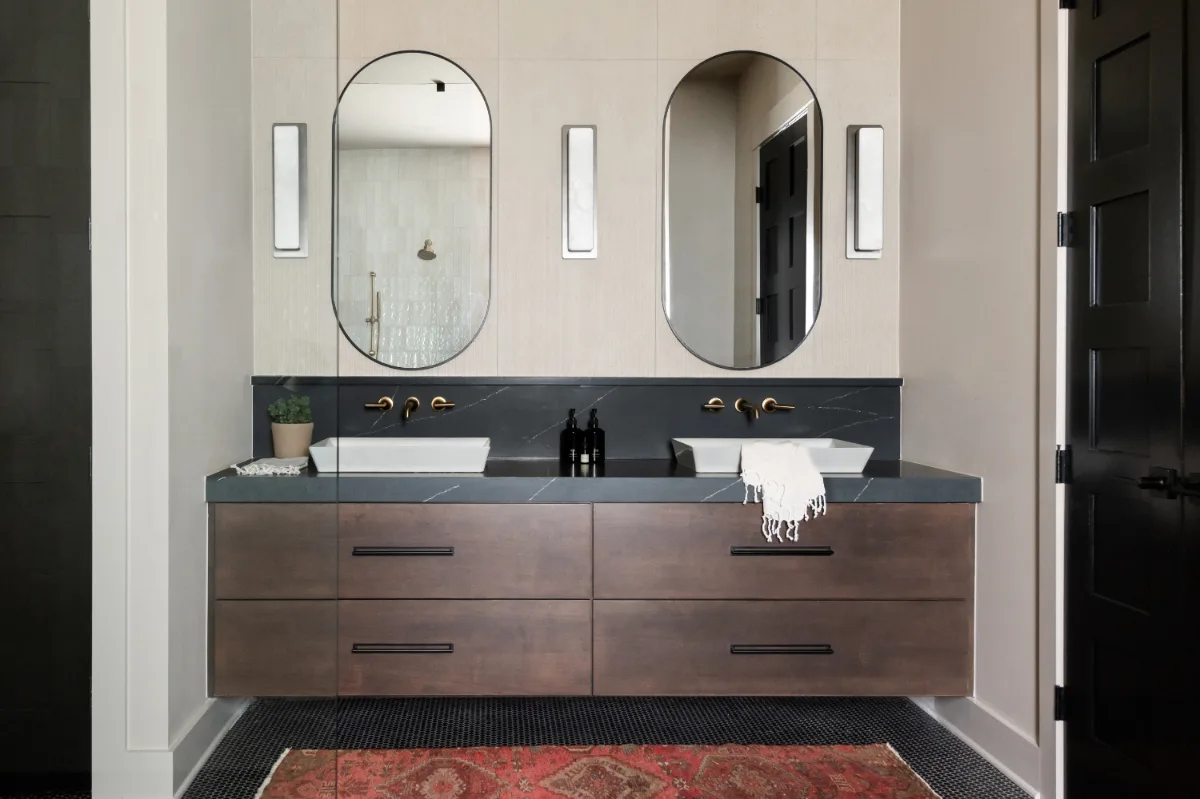
A complete sustainable remodel does not need to happen all at once, and the homeowners who approach it in thoughtfully sequenced phases often end up with better results than those who attempt everything simultaneously. The key is sequencing choices in order of their impact, so each phase builds on the last and the most meaningful improvements are in place earliest.
The highest-impact starting points are the ones that affect the whole home rather than a single room. Insulation and air sealing, window quality and HVAC system efficiency all improve each space in the house and produce ongoing operational savings from the day they are completed. Beginning there, before addressing finish materials or cosmetic upgrades, establishes a foundation that the rest of the remodel builds on.
Repurposing existing elements rather than replacing them wholesale is both the most sustainable and often the most design-forward approach. Cabinetry that can be refinished and re-faced with new doors, hardware and countertops produces a result that reads as custom while preserving the embedded quality of the underlying structure. Existing doors, fixtures and millwork that have genuine quality deserve a second look before being scheduled for replacement.
Local material sourcing reduces the transportation emissions associated with material delivery and often supports suppliers whose quality standards are directly visible and verifiable. In Williamson County, where the design and building community is established and well-connected, sourcing locally can often mean sourcing better.
The Bigger Picture: Resilience and Future-Proofing
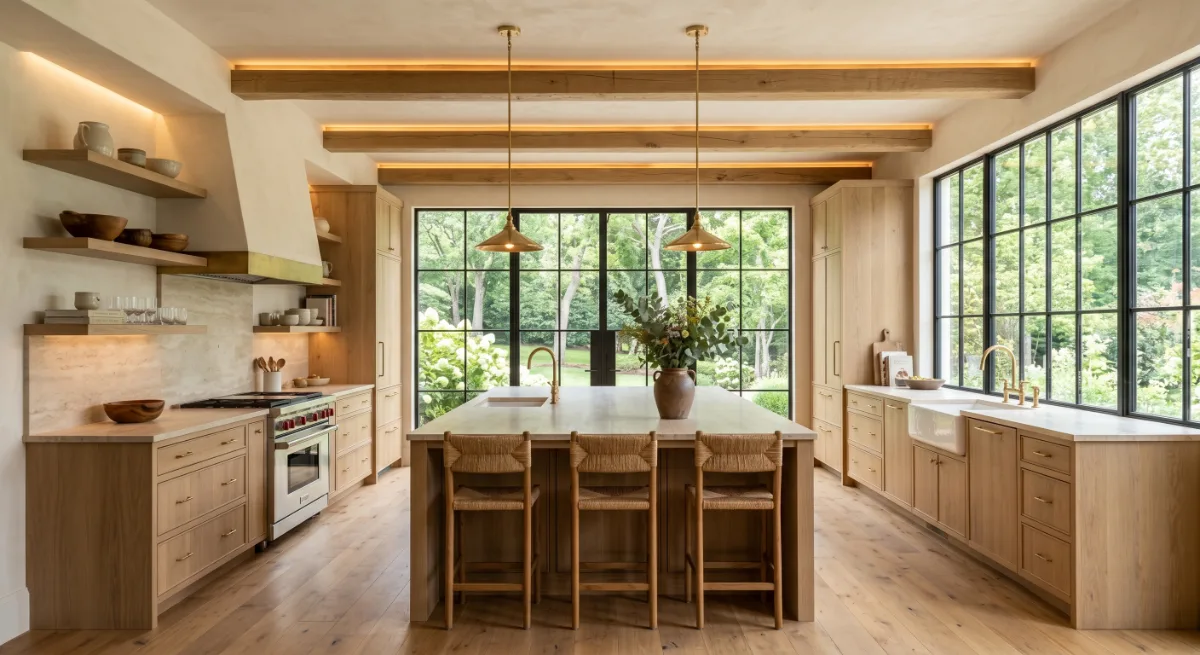
The most lasting argument for sustainable remodeling is not environmental or financial, though both cases are strong. It is that a home built with better materials, sealed and insulated properly, equipped with efficient systems and finished with low-emission products simply performs better over time than one that was not. It is more comfortable in each season, more consistent in its energy use, healthier to live in and more resilient in the face of the utility cost changes and climate variability that characterize the coming decades.
Our guide to adding lasting value to your home covers this same principle from the investment side. Williamson County homeowners who invest in sustainable remodeling are not making a values-based sacrifice. They are making a quality decision that pays dividends in daily life for as long as they live in the home and in resale value when the time comes to pass it on. A home that was built well, in each sense of that phrase, is one that buyers in this market recognize and pay for accordingly.
At Sebring Design Build, designing for resilience is simply designing for quality. The two are the same thing.
Ready to Build Better?
Building better is not a specialty approach. It is simply the thoughtful one. At Sebring Design Build, each material we specify, each system we design and each finish we recommend is evaluated for how it will perform over the life of the home, not just how it looks on the day of completion. That orientation toward lasting quality is what produces the kind of remodel that a homeowner continues to appreciate ten years after the crew has left.
Whether you are planning a kitchen that works as beautifully as it looks, a primary bath designed for genuine comfort and longevity, or a whole-home renovation that addresses materials, systems and indoor environment together, Sebring Design Build brings the design thinking and construction discipline to make each choice count.
It is time that you love your home in each sense. Learn more about our home remodeling services in Franklin, TN, or explore our portfolio of finished projects. Contact Sebring Design Build to schedule your complimentary consultation and explore what building better looks like for your Franklin or Brentwood home.