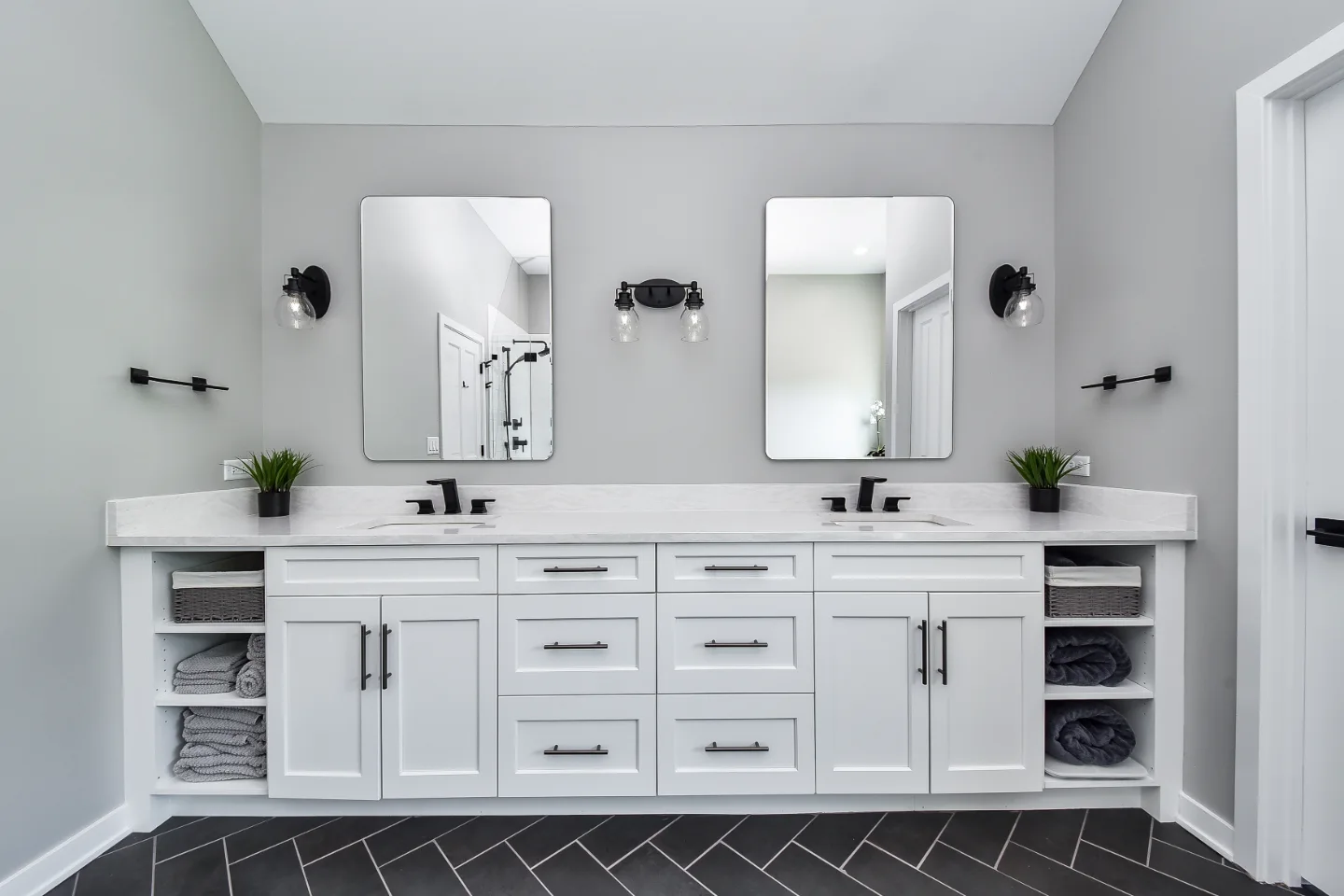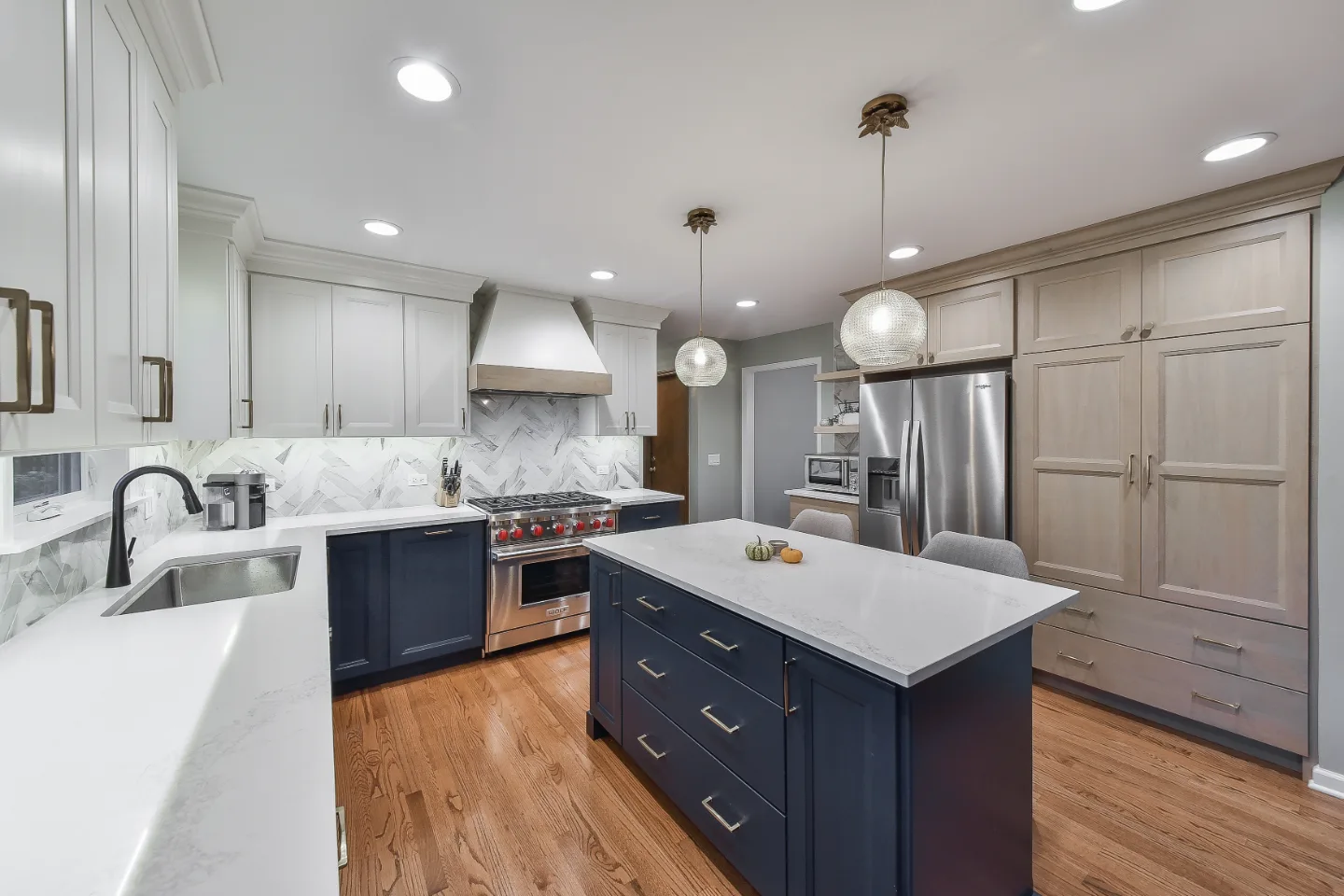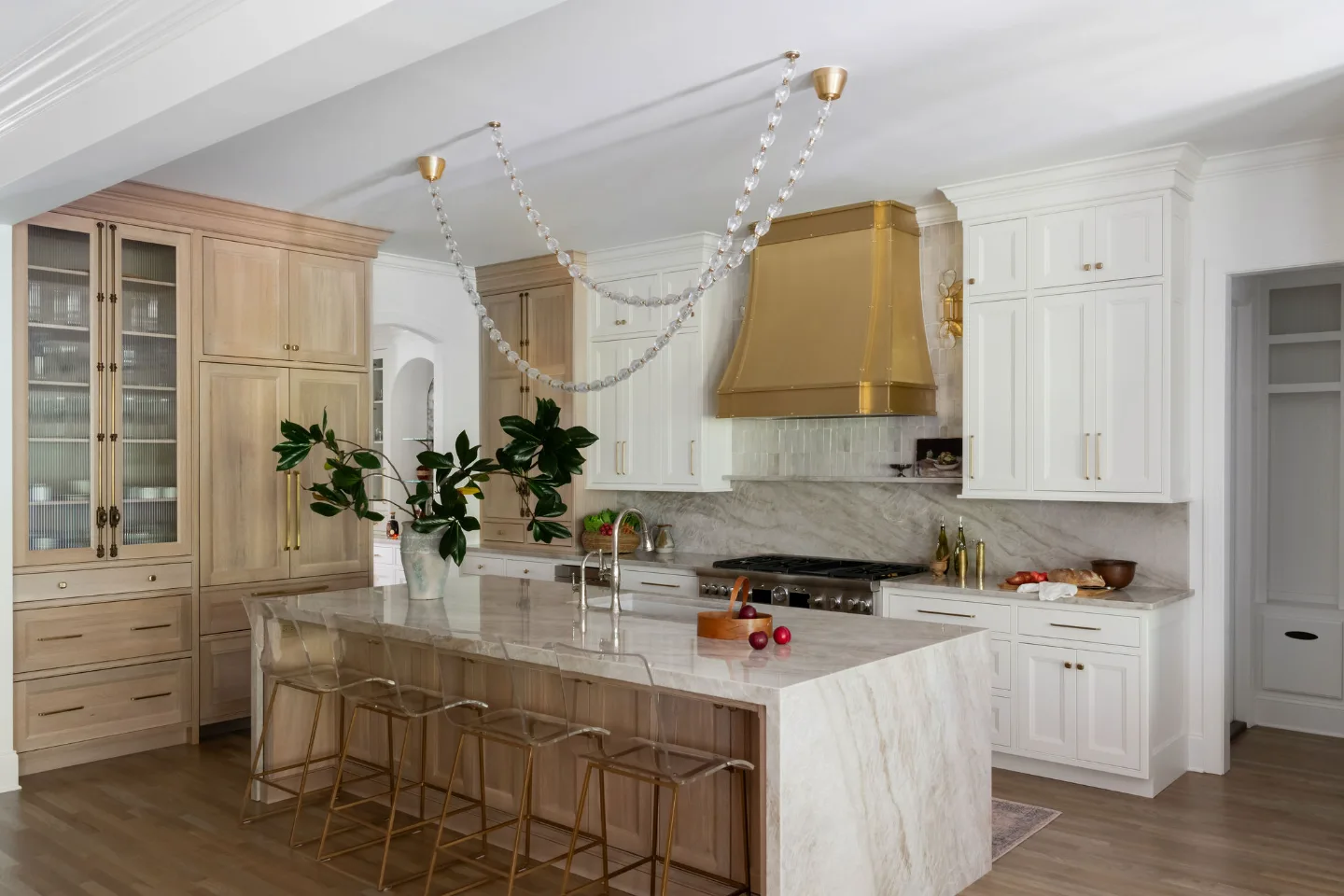

Design-build is the model of residential remodeling in which design and construction are provided by a single accountable team under one contract. The homeowner does not hire a designer and then separately hire a contractor and manage the relationship between them. The designer and the contractor are the same organization, working from the same plan, accountable to the same client for the same result.
For Franklin and Brentwood homeowners planning a kitchen remodel, a primary bathroom transformation or a whole-home renovation, the design-build model addresses the problems that most commonly derail remodeling projects: design decisions made without knowledge of construction cost, materials ordered after construction begins and disputes between designer and contractor that the homeowner is left to navigate. When design and construction are unified, those problems are resolved before the project starts rather than during it. Sebring Design Build was featured in Woman's World discussing how this single-team approach removes much of the frustration homeowners experience during a remodel.
What Is Design-Build and How Did It Begin?

The term "design-build" describes a project delivery model in which a single entity holds the contract for both the design and the construction of a project. In residential remodeling, it means the firm that designs your kitchen also builds it, using one accountable team from the first conversation through the final walkthrough.
This model is not new. Throughout most of recorded history, the person who designed a building and the person who built it were the same individual or closely integrated team. The separation of design and construction into two separate professions and two separate contracts is a relatively modern development. The American Institute of Architects formalized that separation with a code of ethics that, until 1979, actually prohibited member architects from providing construction services. Since that prohibition was removed, the design-build model has grown substantially in residential remodeling because it resolves the coordination problems that separate-contract projects regularly produce.
Today, a qualified design-build contractor can work from a client's existing design, utilize in-house designers or collaborate with outside architects when a project requires licensed architect input. Most residential kitchen, bathroom and whole-home remodels do not require a licensed architect; they require designers with deep knowledge of how residential construction actually works, which is a different and equally specialized expertise.
Design-Build vs. Design-Bid-Build and Other Ways to Hire

Understanding the design-build model is easier when it is compared to the alternatives available to a Franklin or Brentwood homeowner planning a remodel. Our broader comparison of the different types of contractors covers this same landscape from a different angle.
The traditional approach, known as design-bid-build, divides the project into two separate contracts. The homeowner hires a designer or architect to create the design, invites contractors to bid on the finished plans, then separately hires a general contractor to build it. In this model, the homeowner manages two independent professionals who may have different priorities, different interpretations of the design and limited accountability to each other. When design decisions do not translate accurately to construction, or when the contractor's cost exceeds what the design assumed, the homeowner is typically the party resolving the disagreement.
The self-managed approach asks the homeowner to serve as the project manager, hiring individual specialty contractors for each phase of work: framing, electrical, plumbing, tile, cabinetry installation and so on. This route can reduce markup costs but multiplies the coordination burden many times over. The homeowner must source, schedule and manage each trade independently and takes responsibility for the quality and timing of each. In a kitchen remodel alone, this commonly involves coordinating six to eight separate contractors whose work must sequence precisely, the same coordination burden covered in our comparison of subcontractors versus a general contractor.
The design-build approach unifies design and construction under a single firm and a single contract. The homeowner works with one team from the initial consultation through the final walkthrough. The designer and the construction manager are in continuous communication, which means design decisions are made with full knowledge of their construction cost and schedule implications. Materials are selected and ordered before construction begins, so the timeline is far more predictable. When a question or problem arises during construction, it is resolved within the design-build team rather than referred back to the homeowner for arbitration.
Design-Build vs. Design-Bid-Build at a Glance
- Contracts: design-build uses one contract with one firm; design-bid-build uses separate contracts for design and construction.
- Accountability: with design-build, one company answers for the design and the build; with design-bid-build, the homeowner often mediates between the two.
- Pricing: design-build reconciles the design against the investment as it develops; design-bid-build prices the plans only after design is finished.
- Schedule: design-build can order materials before construction begins; design-bid-build waits for bidding and contractor selection.
- Competing bids: design-bid-build lets you compare contractor bids on one set of plans; design-build asks you to choose one trusted firm early.
The Difference Between a Designer and a Decorator

One distinction that matters in a design-build context is the difference between an interior designer and an interior decorator. An interior decorator assists with color selection, furnishings, window treatments and aesthetic choices that do not involve structural changes. An interior designer performs all of those functions and additionally advises on changes that require structural modification: removing walls, relocating plumbing, reconfiguring traffic flow, adding or repositioning lighting. A designer must be involved before construction begins because structural decisions cannot be made after the walls are open without significant disruption and cost.
In a design-build firm, the designer and the construction team work together from the start, which means the structural decisions and the aesthetic decisions are made in the same conversation. The designer specifies what should change; the construction team provides immediate, accurate feedback on what that change costs and how it affects the sequence of work. The homeowner benefits from that integration at each decision point in the project rather than discovering the gaps between design intent and construction reality after a separate contractor has reviewed the plans.
How a Design-Build Remodel Works
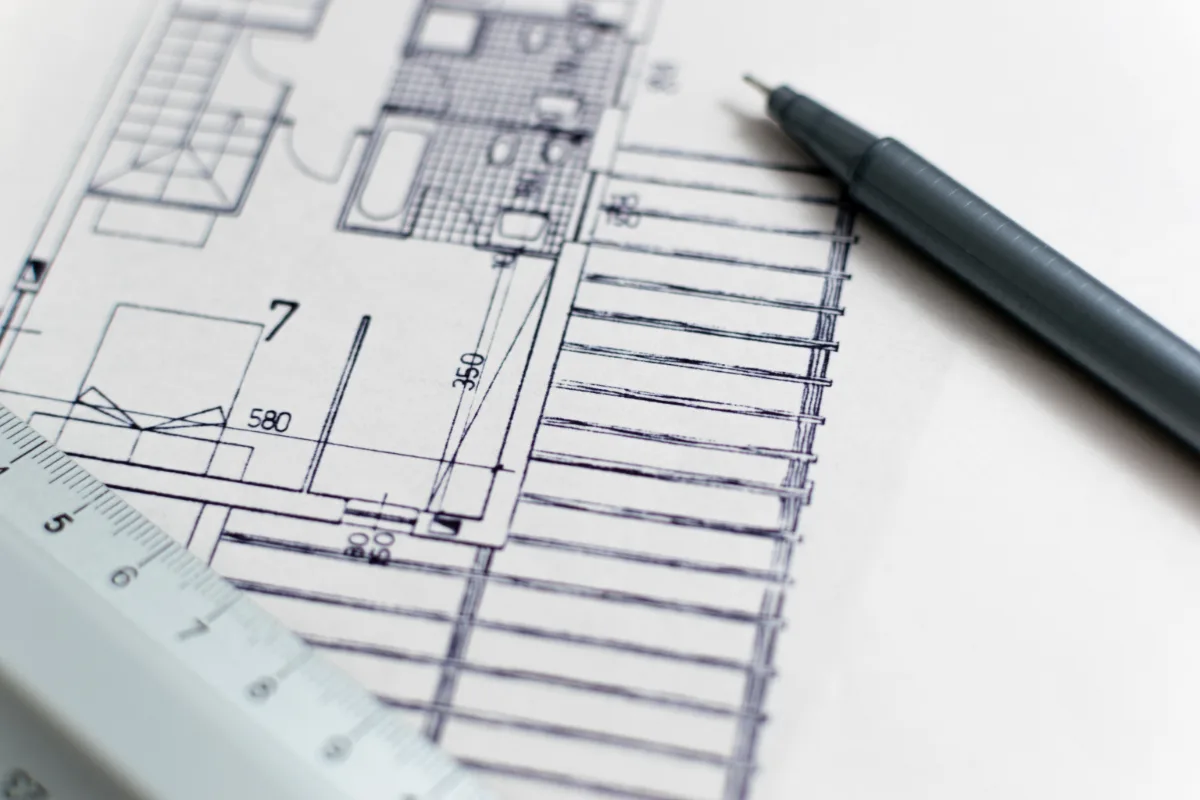
Sebring lays out its full five-step design-build process on its own page; here is the short version. The design-build process is organized to reduce the most common sources of delay, cost overrun and homeowner stress in residential remodeling. The sequence is straightforward, and each step is designed to resolve uncertainty before construction begins rather than discovering it during.
The process begins with a consultation. The homeowner describes what they want to accomplish and establishes a preliminary budget range. The design-build team listens to understand how the household uses the space, what is not working about the current configuration, and what the finished result needs to feel like. This conversation is the foundation of each design decision that follows.
From there, the design team develops several potential solutions. The homeowner reviews them, identifies the directions that resonate and collaborates with the designer to develop the final design. This phase is where the kitchen layout is determined, the material palette is selected and the specific components of the project are specified. The designer works in continuous dialogue with the construction team throughout this phase, which ensures that each design decision is one the team can build within the agreed investment and schedule.
"The most important thing we do in the design phase is make decisions that hold," says Bryan Sebring, CGR. "Before we start construction, we select the cabinetry, the countertops, the tile, the fixtures, everything. Then we order it. By the time the first wall comes down, everything needed to complete that project is either in our hands or on order with a confirmed delivery date. That is what keeps the schedule predictable once work begins."
Once design decisions are finalized, materials are ordered. This is one of the most significant practical advantages of the design-build model. In a traditionally managed project, materials are often ordered as construction reveals what is needed, creating the supply delays that extend timelines and increase costs. In the design-build model, all substantial materials are ordered before work begins, which removes one of the most common causes of project delays.
The firm then secures all necessary permits and prepares a detailed construction agreement that specifies the scope of work, the anticipated schedule and the payment terms. Construction begins only when permits are in hand, materials are ordered and the schedule is confirmed, the same checklist covered in our guide to what to establish before construction begins. During the construction phase, a project manager maintains daily communication with the homeowner and coordinates the sequencing of all trades to keep the project moving without gaps.
Is Design-Build Right for Your Remodel?
The design-build model is a strong fit for many Franklin and Brentwood homeowners planning a significant remodel. The households for whom it delivers the most value are those who have a clear sense of what they want the finished result to feel like but who want expertise and guidance on how to get there, who want a single accountable team rather than the coordination burden of managing separate designers and contractors, and who want an agreed project price and a realistic timeline rather than the uncertainty that open-ended processes produce.
The design-build model is less essential for homeowners who have very specific plans already developed by an architect they want to use, who have substantial personal industry experience managing construction trades, or whose project is so limited in scope that it involves only a single trade and no design decisions at all. Whichever model fits, it helps to know how to vet a remodeler before you sign anything.
For the broad middle ground, which represents the majority of kitchen and whole-home remodels in Williamson County, the design-build approach reduces the most significant risks of the traditional approach: design decisions made without knowledge of construction cost, materials that arrive late because they were ordered after work began, and disputes between separate professionals that the homeowner must navigate while a construction project is underway in their home.
Sebring Design Build brings more than 25 years of design-build remodeling experience to homeowners in Franklin, Brentwood and across Williamson County. Each project begins with a complimentary consultation in which the team listens to what the homeowner wants to accomplish and provides an honest assessment of what the project requires. If you are planning a remodel and want to understand how the design-build process would apply to your specific project, contact Sebring Design Build to schedule your consultation. Learn more about our design-build services in Franklin, TN.