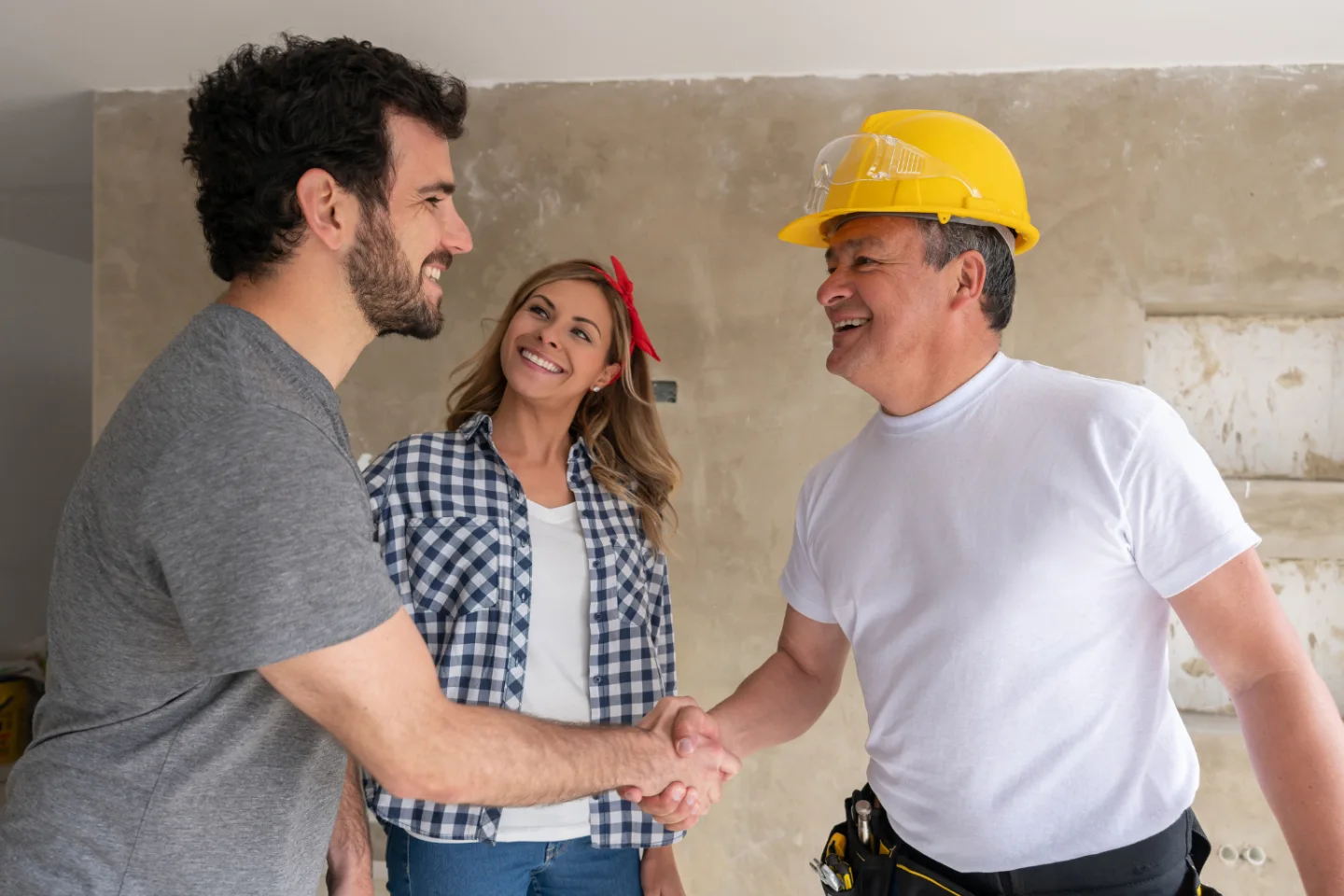

Choosing who will remodel your home is, in a real sense, choosing who you will spend the next several months in a close working relationship with. It is one of the highest-stakes decisions in the entire process, and it is also the one homeowners often rush through, moving from a single conversation straight into a signed contract because a price felt reasonable or a person felt friendly.
A more reliable approach is to evaluate each contractor you're considering across five specific dimensions, score them honestly and let the numbers tell you what your gut alone might miss. We call this the 5 P's: People, Process, Portfolio, Past Clients and Price. Narrow your list to three to five contractors serving Franklin, Brentwood or wherever you are in Williamson County, then walk each one through the same five questions below. Our list of questions to ask before you even meet pairs well with this scoring approach, and our comparison of different types of remodeling contractors helps you understand who belongs on that shortlist in the first place.
1. People (0-10)

You are about to spend months in regular contact with this person and their team. Treat the first conversation the way you'd treat a first date: pay attention to whether they listen as much as they talk, whether they explain things clearly without being condescending, and whether they seem genuinely curious about how you live rather than eager to close the sale.
Communication style matters more here than almost anywhere else. Our tips for clear communication with a remodeling team cover what good answers to this question sound like. Ask directly how they prefer to communicate during a project, whether that's text, a dedicated project management app or a weekly call, and how quickly you can expect a response when something comes up mid-project. A contractor who gets vague or irritated at this question is telling you something important about the next several months.
Score each contractor from 0 to 10 based on how easy, clear and genuinely collegial the relationship feels from this very first conversation.
2. Process (0-10)
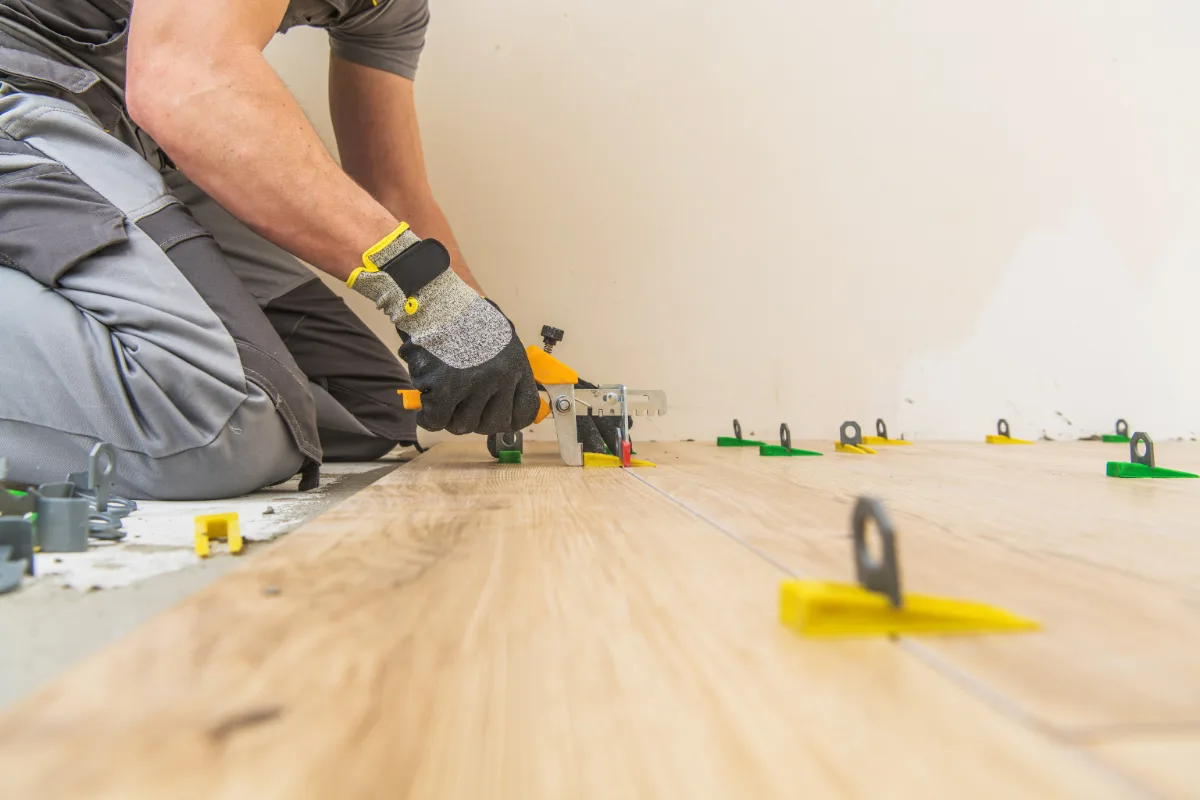
A contractor's process reveals more about the quality of your eventual experience than almost any other factor, because it's the process that determines whether permits get pulled on time, whether the agreed price holds and whether you're the one making frantic calls to three different specialty subcontractors.
Ask pointed questions: Do you have a defined process for a project like mine? Who handles permits and inspections, and is that included in your fee? Our guide to building permits in Franklin covers what that process should look like. Are you licensed and insured for work in Williamson County, and can you provide proof? What's your dispute resolution process if something doesn't go as planned? Who is my single point of contact throughout the project? What will be locked in before construction begins?
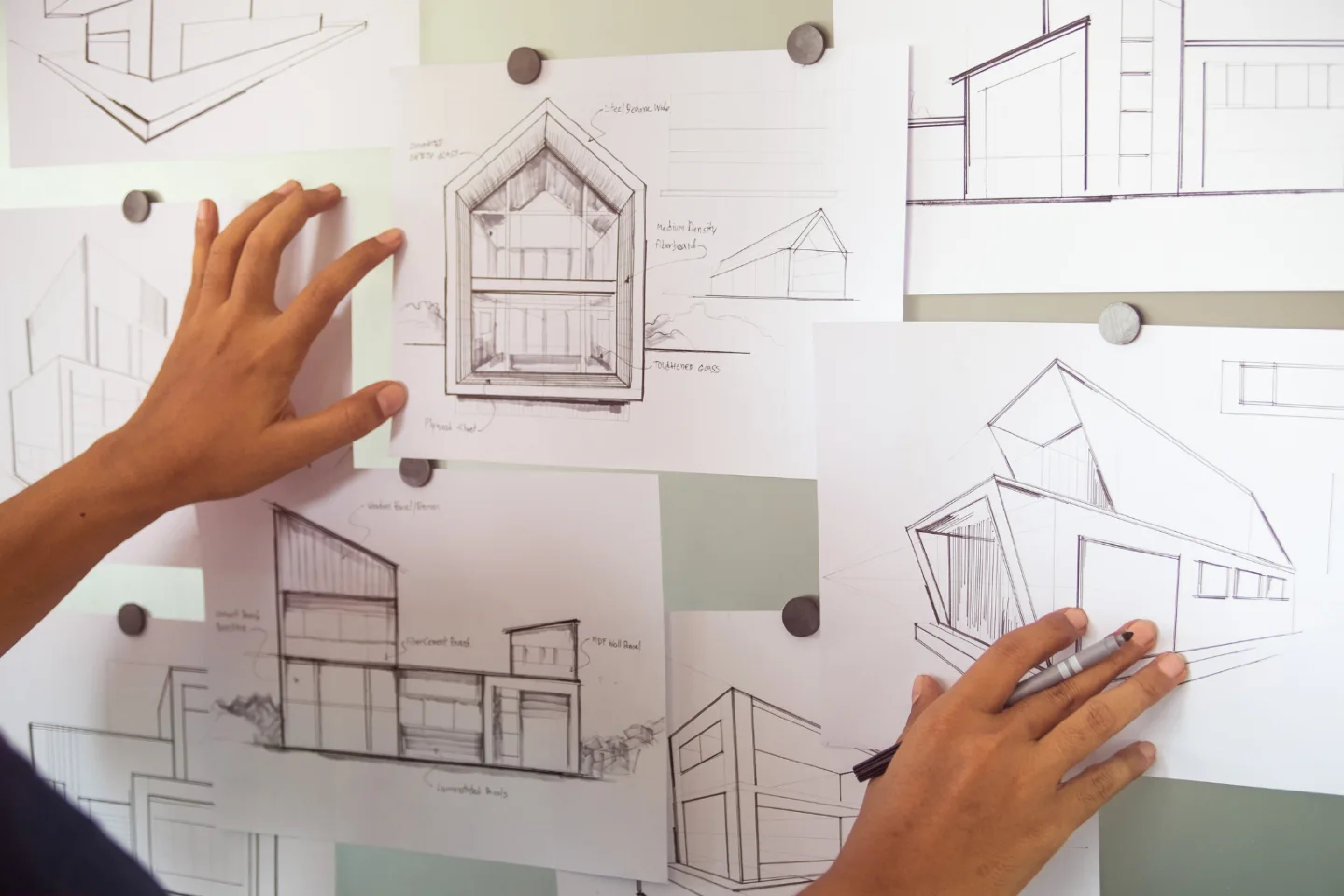
This is where the case for design-build becomes concrete rather than abstract. When one team handles both design and construction under a single contract, permits, materials ordering and construction sequencing are planned together from the start rather than negotiated between separate parties mid-project. That structural difference is often the reason one contractor's process sounds confident and specific while another's sounds improvised.
Score 0 to 10 based on how clearly defined, complete and reassuring their process sounds when you ask these questions directly.
3. Portfolio (0-10)

Past work is the closest thing to a guarantee you'll get before signing anything. A contractor's portfolio should show you not just attractive photos but evidence of the specific type of project you're planning, whether that's a kitchen remodel, a primary bath or a whole-home renovation.
Look for a real body of work, not a handful of curated images. Explore our own portfolio for a sense of what that depth should look like. Ask whether you can visit a completed project in person or speak with the homeowner directly. A contractor confident in their craftsmanship will make this easy. Pay particular attention to projects similar to yours in scope: a contractor with deep experience in kitchen remodels in Franklin and Brentwood homes brings pattern-recognition to your project that general experience can't replicate.
Score 0 to 10 based on the depth of the portfolio, the quality and consistency of the work shown, and how directly it relates to your project.
4. Past Clients (0-10)
Read reviews the way a professional would: not for the star rating alone, but for what they actually describe. A five-star review that says "great job" tells you less than a four-star review that walks through how the contractor handled an unexpected problem mid-project. Look for patterns across many reviews rather than fixating on any single one, and pay close attention to how a contractor responds to critical feedback when it appears.
Volume and consistency both matter. A contractor with 100+ mostly positive reviews accumulated over years should generally score higher than one with three perfect reviews and no other public track record. You can read what our own clients say on our client testimonials page. If you can, reach out directly to a past client and ask about communication, whether the price held and whether the finished project matched what was promised at the start.
Score 0 to 10 based on the volume of reviews, the consistency of the praise and what past clients say about communication, pricing accuracy and how problems were handled.
5. Price (0-10)
Price is genuinely important, but it is the wrong first question. The right question is whether the value on offer matches the investment being asked, and that's a comparison you can only make once you understand what's actually included.
Ask what's covered in the estimate: materials, permits, project management, a workmanship warranty. A meaningfully lower bid usually means something is missing rather than something is efficient, whether that's the quality of materials, the scope of the warranty or the experience of the crew doing the work. A contractor backing their work with a multi-year workmanship warranty is signaling real confidence in what they build, which is worth factoring into the comparison directly.
Be wary of bids far below the others in your comparison set. Ask why directly. The answer often reveals hidden costs, lower-grade materials or scope that will quietly expand once the project starts. Score 0 to 10 based on the value the price represents relative to what's included, not on the number alone.
Adding Up the Scores
Add each contractor's five scores together for a total out of 50, then use this as a general guide:
40-50, Excellent: Easy to work with, a clear and complete process, a strong portfolio, consistently positive reviews and pricing that reflects genuine value. This is the range your final choice should land in.
30-39, Good: A solid contractor, possibly newer to the market with a smaller portfolio or review count, but showing real strength in the fundamentals.
20-29, Moderate: Worth more scrutiny before moving forward. Dig into whichever category scored lowest before making a decision.
Below 20: Keep looking. A low score across multiple categories is rarely a coincidence.
Hiring a Contractor Checklist
Once you have chosen a finalist, confirm each of these in writing before you sign. A professional firm will provide them without hesitation.
- License: Confirm the contractor's Tennessee license through the state's online license lookup, and that it covers the type and size of your project.
- Insurance: Ask for certificates of general liability and workers' compensation insurance, sent directly from the insurer.
- Written scope: A detailed scope of work listing materials, finishes, allowances and anything excluded.
- Agreed price and payment schedule: A price tied to that scope, with payments linked to completed milestones rather than heavily front-loaded.
- Permits: Who pulls permits and schedules inspections, and confirmation that the cost is included.
- Change orders: How changes are priced, approved and documented in writing before work proceeds.
- Warranty: The length and coverage of the workmanship warranty, in writing.
- Lien waivers: Confirmation that subcontractors and suppliers will provide lien waivers as they are paid.
- Schedule and contact: An estimated schedule and one named point of contact for the project.
- References: Two or three recent clients with similar projects you can call.
Why the Design-Build Relationship Changes the Equation
Each of the five P's above gets easier to evaluate, and easier to trust, when a single design-build team is accountable for the entire project. There's one point of contact instead of an architect and a contractor pointing fingers at each other. The design is reconciled against real construction cost before you commit, and materials and selections are confirmed before construction begins, so the project starts from a clear, agreed plan.
At Sebring Design Build, each Franklin and Brentwood homeowner goes through a structured Discovery process before either side commits to anything, backed by a 5-year workmanship warranty and 250+ reviews across Google and Houzz. Our awards and recognition reflect the same standard. Learn more about our design-build approach. If you're ready to see how a contractor who scores well on all five P's actually feels to work with, schedule your complimentary consultation today.