
Before comparing bids or reading a single review, it helps to understand that contractor isn't one category. The remodeling industry is made up of a few genuinely different business models, each suited to a different kind of project. Choosing well starts with understanding which category actually fits what you're trying to accomplish.
Here's an honest look at the four main types, where each excels and where the fit tends to break down. Our guide to choosing the right remodeling contractor covers how to evaluate whichever type fits your project.
Independent Contractors

Independent contractors typically run lean operations, often working from a home office or directly out of a truck, with little overhead and a broad, generalist skill set. They make up the majority of the remodeling industry and are usually the easiest type to find quickly.
Where this fits well: smaller, well-defined projects, a single room refresh, a repair, a project where the scope is simple and unlikely to change once work begins.
Where the fit tends to break down: larger or more complex projects, like a full kitchen or primary bath remodel, that require coordinating multiple trades, managing design decisions and staying current with local permitting and code requirements. Because overhead is minimal, these contractors also often have limited capacity to absorb a delay or a supply issue without it affecting your schedule directly. It is worth raising early, along with the other questions to ask a remodeler, so there are no surprises later.
Trade-Specific Specialists
Some contractors focus entirely on a single trade, plumbing, electrical, tile, roofing and bring genuine depth in that specific area. They're an excellent choice when a project is narrowly scoped to their specialty.
Where this fits well: a single-trade job, replacing a roof, re-tiling an existing shower without touching the rest of the bathroom, addressing a specific plumbing or electrical issue.
Where the fit tends to break down: any project that spans multiple trades at once, since a specialist typically isn't managing the sequencing, design or coordination between trades that a full remodel requires. Hiring several specialists for one project also means you become the one coordinating the schedule between them, similar to the tradeoffs in our comparison of subcontractors versus a general contractor.
Mid-Size Remodeling Companies
Mid-size firms sit between independent contractors and full design-build companies. They typically have a small team of employees, a modest shop or office and more structure around scheduling and project management than an independent contractor, without the full in-house design capability of a larger firm.
Where this fits well: homeowners who want more structure and continuity than an independent contractor offers, without necessarily needing full in-house design services.
Where the fit tends to break down: projects where design and material selection are a significant part of the value you're looking for. Without an in-house design team or showroom, homeowners are often doing more of that planning and sourcing themselves.
Design-Build Companies
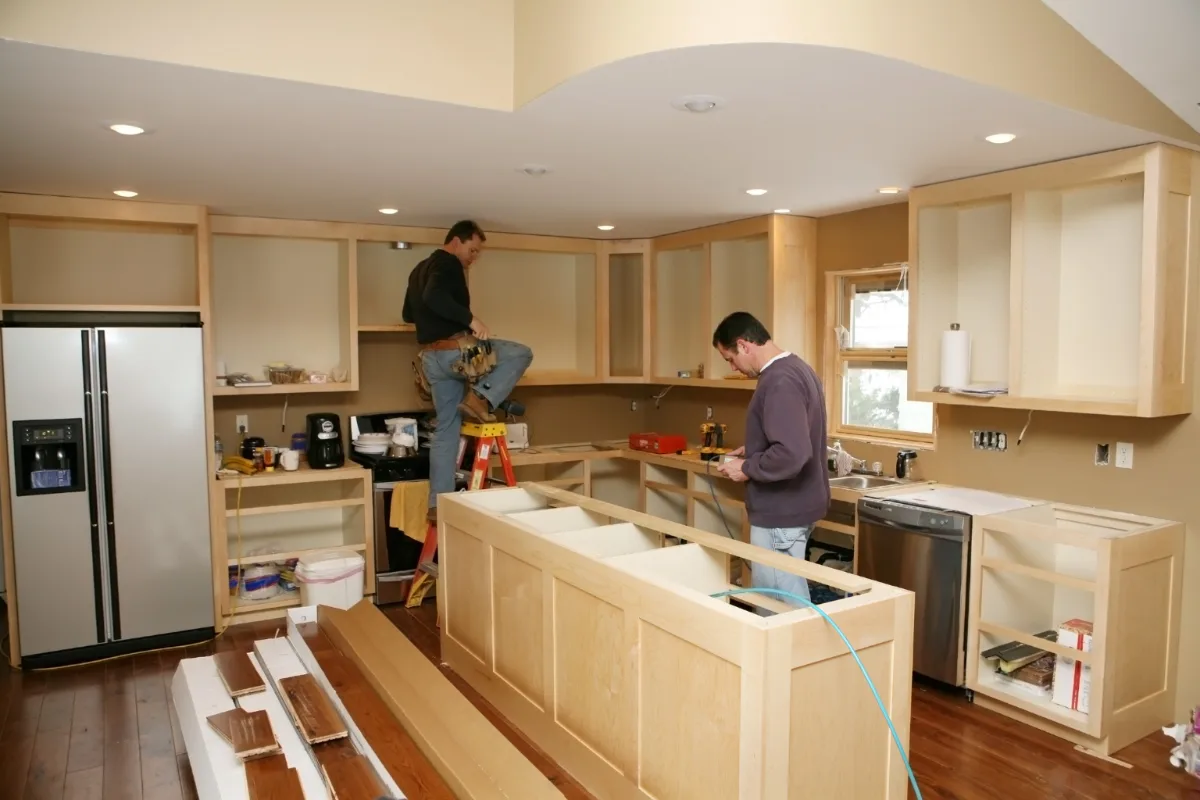
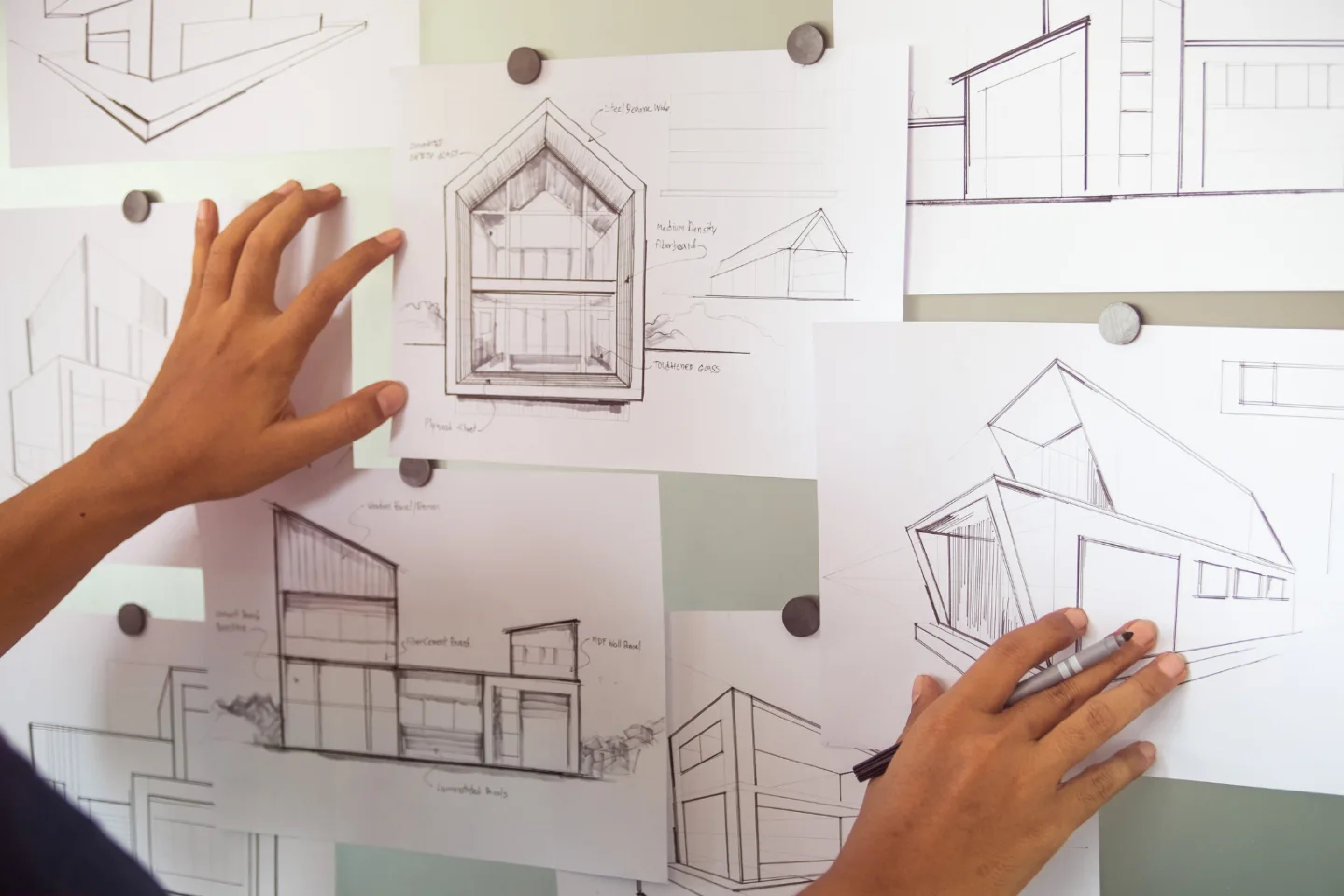
Design-build firms bring design and construction together within one accountable company, managing everything from initial concept through final construction with in-house design staff, project managers and often a dedicated selections showroom.
Where this fits well: kitchen and bathroom remodels, whole-home interiors and any project where design quality, material selection and construction need to be genuinely coordinated rather than handled by separate parties. This is also the model built specifically to prevent the miscommunication and budget surprises that come from an architect and a contractor operating independently. Our guide to whether design-build is right for your project covers this distinction in more depth.
Where the fit tends to break down: truly minor projects, a single fixture swap, a small repair, where the full scope of design-build service isn't necessary to accomplish the goal.
Design-Build vs. General Contractor
A general contractor builds from plans someone else created, coordinating the trades and the schedule once the design is finished. A design-build firm does that same coordination and also leads the design, so layout, selections and investment are worked out together before construction begins. For a kitchen, bath or whole-home remodel, that difference shows up as fewer handoffs and clearer accountability.
If you are weighing a design team and a separate builder, our comparison of design-build vs. design-bid-build walks through the tradeoffs, and our guide to subcontractors vs. general contractors explains who does what on a job site.
Why We Believe in the Design-Build Model
At Sebring, we're a design-build firm because we've seen firsthand how much smoother a project runs when design and construction stay under one roof. There's no handoff where a vision gets lost in translation, no separate architect and contractor pointing fingers when a question comes up, and no gap between what was designed and what actually gets built.
For a kitchen or bathroom remodel, that coordination isn't a luxury. It's the structural reason the process stays calm, organized and true to the vision you started with. Whichever type of firm you hire, a few things should be settled in writing before construction begins.
It's time that you love your home, and choosing the right kind of team for your specific project is where that starts.
Learn more about our design-build approach or explore our portfolio of finished projects.
Schedule your complimentary consultation. We serve Franklin, Brentwood, Leiper's Fork, College Grove, Thompson's Station and all of Williamson County. Let's talk through your project and the right fit for it.