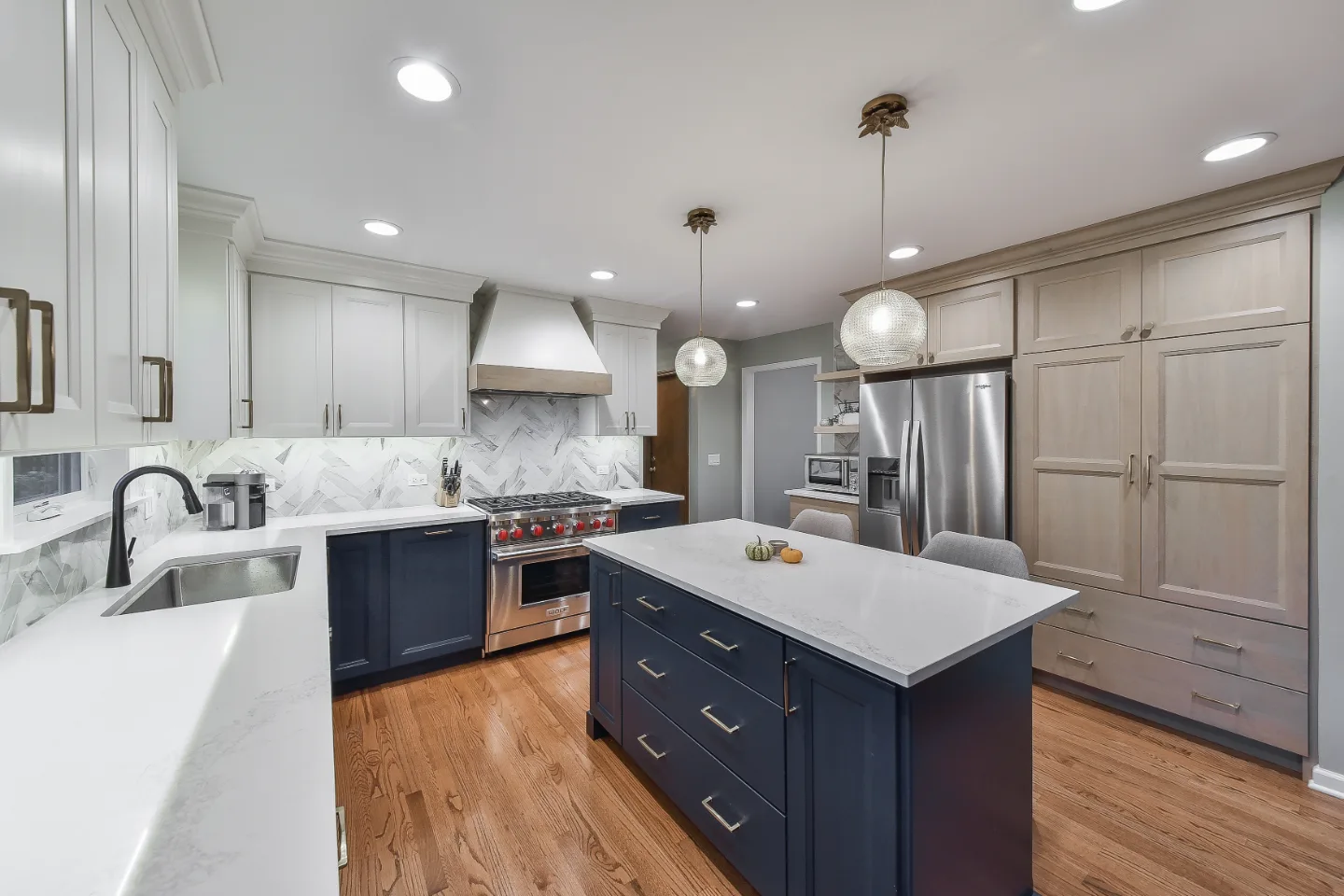
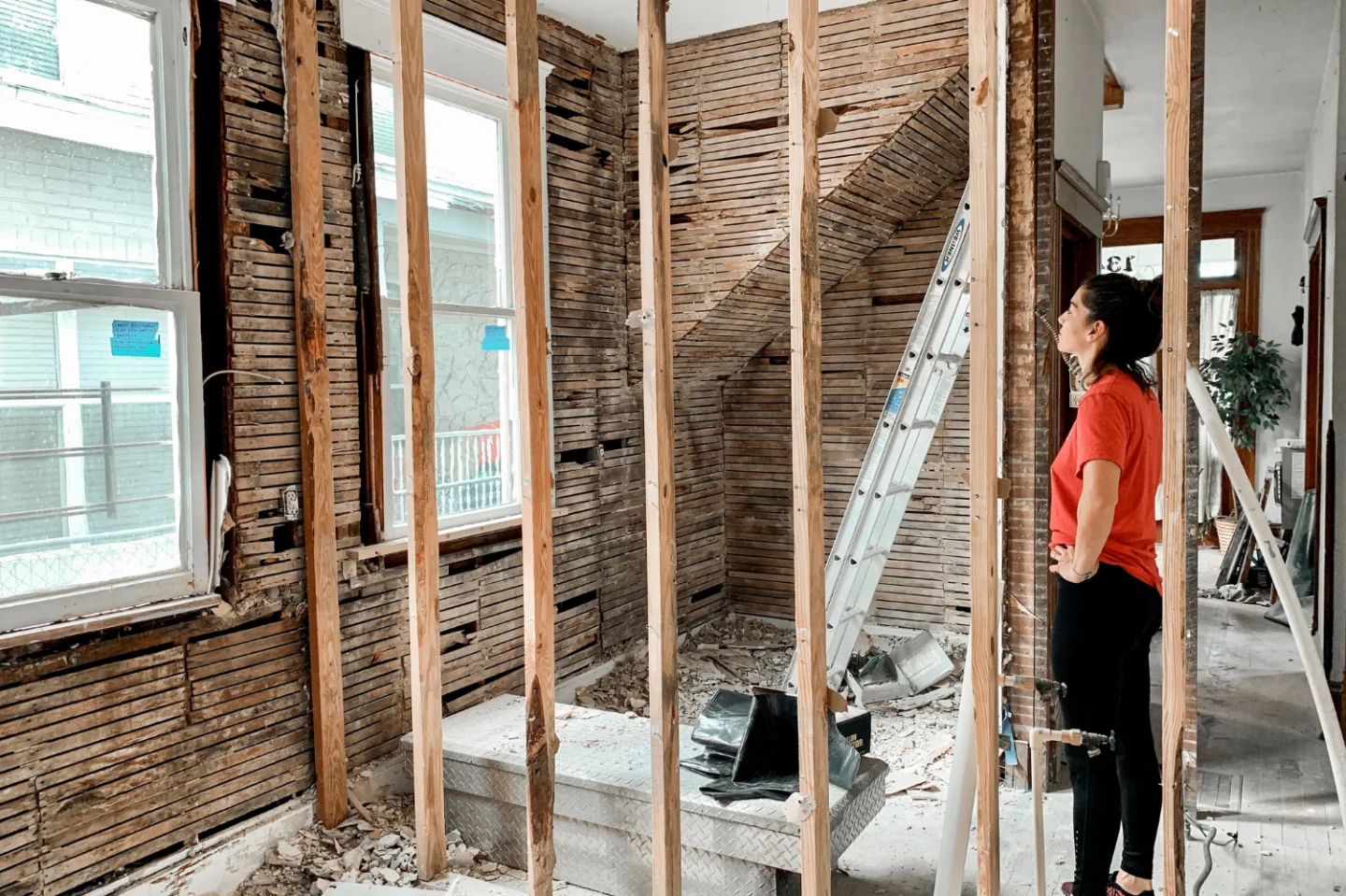
Living in a home while it is being remodeled is one of the more demanding experiences a Franklin or Brentwood family can navigate. The kitchen you use each morning may be off-limits for weeks. Crew members arrive early and leave traces of their work in places you did not anticipate. Noise fills hours that used to be quiet. Dust finds its way through plastic sheeting into rooms that were supposed to be protected.
None of this is a reason not to remodel. It is simply a reason to prepare thoughtfully rather than improvise through it. The families who come through a kitchen or home remodel in the best condition are the ones who treated the living-through-it phase with the same planning attention they gave to the design. They had a schedule. They had a budget contingency. They had a communication plan with their contractor. They had a place in the house designated as a genuine retreat from the project.
These thirteen tips reflect what genuinely works for Franklin and Brentwood homeowners living through a remodel. Not what makes for a good television episode, but what makes the experience manageable for a real family with a real schedule.
1. Set a Precise Schedule Before Demolition Begins

The schedule is one of the most powerful tools available to a homeowner living through a remodel, and the time to establish it is before the first wall comes down, not after. A precise schedule with defined start dates, phase completion dates and a firm end date allows the household to plan around the project rather than constantly reacting to it.
Our guide to what to establish before construction begins covers this alongside the other operational details worth confirming early. Work closely with your contractor to establish working hours, including the earliest start time each morning and the latest finish time each day. Crew arrival at 7am when the household expected 8am is the kind of friction that accumulates into real stress over the course of a multi-week project. When working hours are agreed upon in writing before the project starts, both the crew and the family know what to expect.
A firm schedule also establishes accountability. When each phase of the project has a target completion date, both the contractor and the homeowner can see clearly when things are on track and when a conversation is needed. In a well-run design-build remodel, the schedule is a living document that the project manager updates as phases complete and communicates to the homeowner proactively.
2. Build an Emergency Contingency Into the Budget

When walls open and floors come up during a remodel, the home reveals what is behind and beneath it. In Franklin and Brentwood homes, particularly those built before 2000, what is found behind finished surfaces is sometimes different from what the plans showed. Outdated wiring that needs to be brought to code. Plumbing that needs to be repositioned to accommodate the new layout. Moisture damage that was invisible from the surface, especially in high-traffic areas, like in the case of a mudroom or laundry room.
These discoveries are not failures of planning or estimation. They are a normal part of remodeling, and the appropriate response is to have budgeted for them. The standard recommendation is to hold a contingency of 15 to 20 percent above the contracted project cost. In an older home or in a project that involves significant structural work, that contingency may need to be higher.
Having the contingency in place before the project starts means that a discovered condition is a problem to be solved, not a crisis that threatens the project's completion or quality. It also allows decisions to be made from a position of stability rather than pressure, which produces better outcomes in the selections and specifications that a discovered condition may require.
3. Choose Your Contractor Before Anything Else
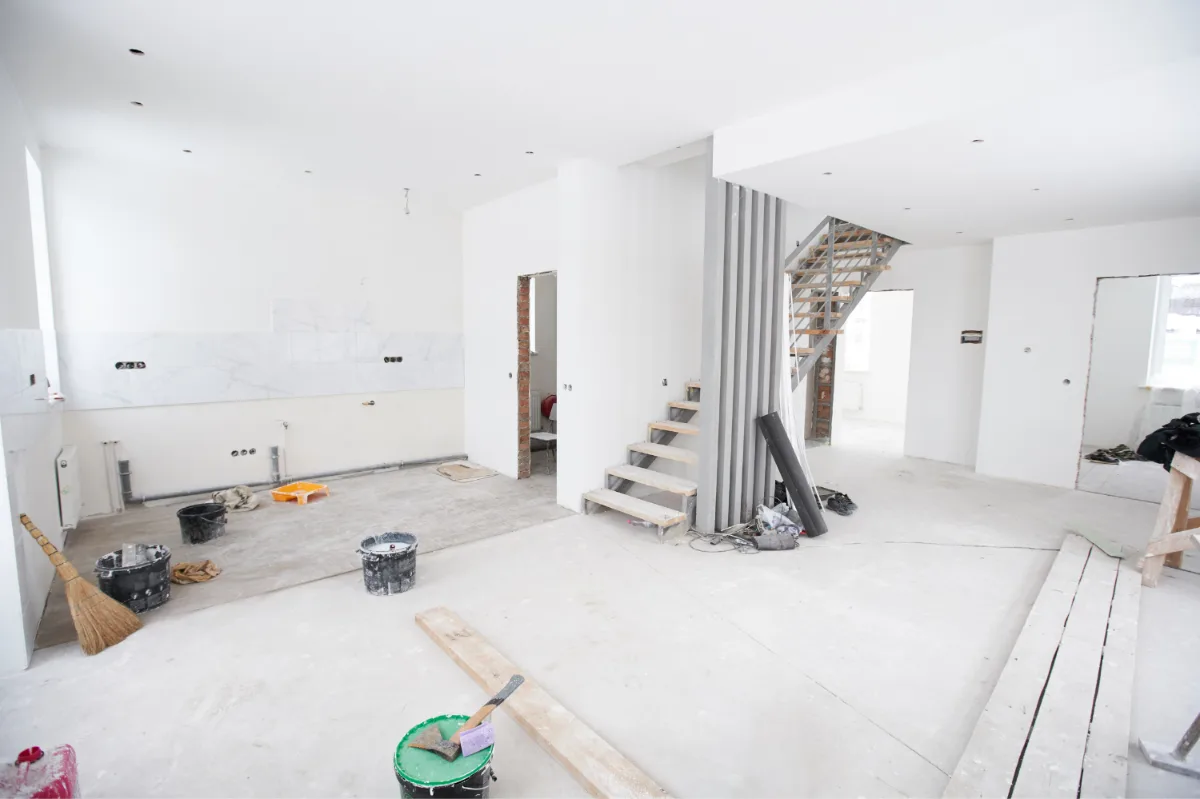
Each decision a Franklin or Brentwood homeowner makes during a remodel, the schedule, the materials, the living-through-it strategy, is only as good as the contractor executing it. The contractor is the person the household will communicate with daily for the duration of the project. The contractor's team will be in the home each working day. The contractor's decisions will determine whether the finished result matches the design.
An experienced and respected contractor will have a professional portfolio of past projects, verifiable reviews from clients in the Williamson County market, proof of insurance and appropriate licensing and certification. A CGR designation, which stands for Certified Graduate Remodeler, signals a contractor who has met the National Association of Home Builders' standards for project management, business practices and client communication. These credentials are worth verifying.
Our guide to choosing the right remodeling contractor covers this decision in more depth. The consultation is where the relationship is established. A contractor who listens carefully, asks detailed questions about how the household lives and what they need the project to accomplish, and explains their process clearly is demonstrating the qualities that will serve the homeowner well throughout the project. Trust your assessment of that conversation as much as you trust the written bid.
4. Move Valuables and Essentials Before Day One
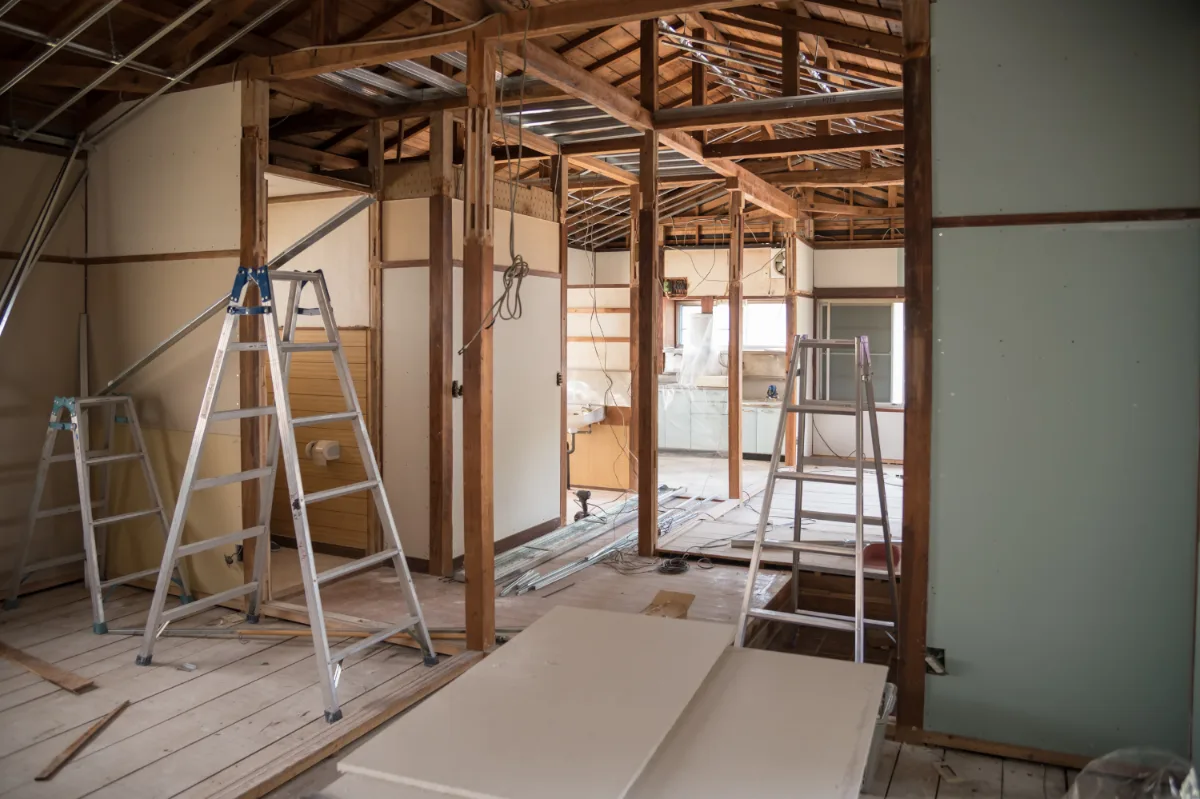
The first morning of a remodel is not the time to be searching for items that should have been relocated before the crew arrived. Make a thorough inventory of everything in the project area before demolition begins: the coffee maker, the laptop charger, the children's homework, the artwork on the walls, the electronics in the adjacent room. Anything valuable or irreplaceable should be moved before the crew arrives on day one.
This inventory also includes items that might obstruct the crew's work. Furniture near the project zone, area rugs that will accumulate construction dust, plants that cannot tolerate the dust or temperature swings that come with an active construction zone. Moving these items before work begins is both practical protection and a courtesy to the crew, who will work more efficiently in a cleared space.
In a kitchen remodel specifically, setting up a temporary kitchen substitute in another part of the house before demolition begins is one of the most important preparations the household can make. A countertop space in the dining room or a spare bedroom with a microwave, an electric kettle, a toaster oven and a mini refrigerator maintains basic food preparation capability throughout the project.
5. Designate Clear Work and Living Zones

The most important living decision in a whole-home or multi-room remodel is where the boundary between the construction zone and the living zone will be, and how that boundary will be maintained throughout the project. This decision should be made explicitly with the contractor before work begins, not negotiated informally as the project progresses.
A professional contractor will establish this boundary using sealed plastic sheeting at doorways, dedicated crew entry and exit points that do not route through the main living areas, and a plan for daily cleanup that contains construction debris and dust within the work zone rather than allowing it to migrate through the house.
In a kitchen remodel specifically, the temporary kitchen substitute should be positioned in the part of the house that is furthest from the construction zone. You can plan this along the mudroom and entry ideas. This gives the family a functional food preparation area that is physically separated from the project activity, which reduces daily conflict between household routines and construction work.
6. Keep Dust Under Control in Living Areas

Dust is the most pervasive and persistent byproduct of any significant remodel. It finds its way through plastic sheeting, under closed doors and into rooms that seem entirely separate from the construction zone. For household members with respiratory sensitivities, allergies or asthma, the dust generated by drywall work, sanding and demolition is a genuine health consideration rather than simply an inconvenience.
A HEPA-filtered air purifier running continuously in the primary living areas of the house during an active remodel removes construction particles from the air that the family breathes. This is a meaningful investment during a kitchen or bathroom remodel that involves significant demolition.
The contractor's crew should be conducting end-of-day cleanup with a HEPA-filtered vacuum rather than a standard shop vac, which recirculates fine particles back into the air. Ask about this specifically during the pre-project conversation. A crew that cleans up at the end of each working day, properly and with the right equipment, produces a substantially more livable construction experience for the household.
7. Make a Plan for Bathroom Access

A bathroom remodel eliminates the household's primary bathroom from daily use, often for about 4 to 10 weeks. Managing that constraint requires planning, not improvisation, particularly in a household with multiple family members on morning schedules.
If the home has a secondary bathroom, establish a household schedule for that bathroom before the remodel begins: designated time slots for showers and morning routines that minimize overlap and congestion. Write the schedule down. The informal assumption that everyone will work it out is accurate for the first day and breaks down by day three.
Your contractor should advise you in advance when plumbing work will require the main water supply to be shut off. These shutdowns are typically short, but knowing they are coming allows the household to prepare rather than be caught off guard. This is the kind of daily communication that distinguishes a well-run remodel from one that requires constant homeowner intervention to stay on track.
8. Create a Temporary Kitchen That Actually Works
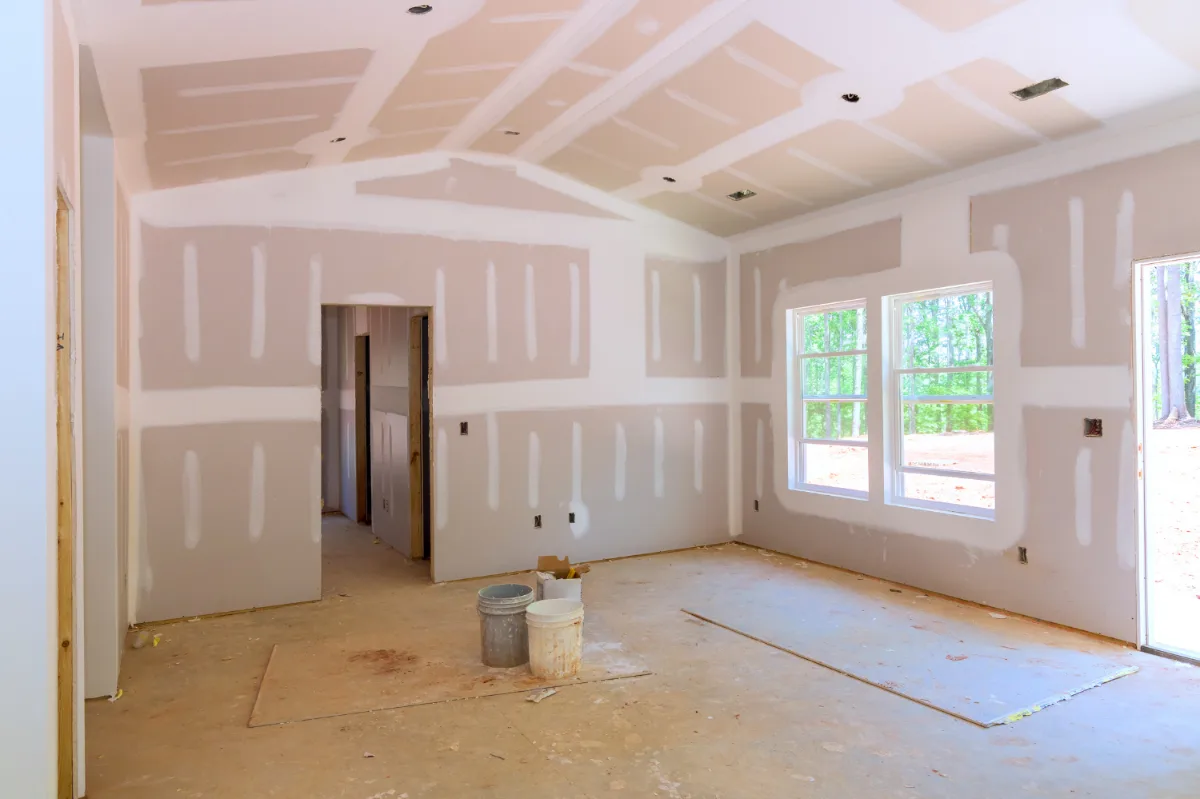
A kitchen remodel without a functional temporary kitchen substitute creates daily stress that is entirely avoidable with forty-five minutes of preparation before demolition begins. The temporary kitchen does not need to match the capability of the finished kitchen. It needs to cover the basics that the household uses daily.
A microwave, an electric kettle, a toaster oven and a mini refrigerator on a sturdy table or countertop surface in the dining room or a spare bedroom provides the capability to heat food, make hot beverages and store fresh groceries. A dedicated space for paper plates and disposable utensils reduces the need for dishwashing access during the project. A simple meal plan developed before the remodel begins, one that leans on simple meals, takeout on the most disruptive days and outdoor cooking when the weather allows, removes the daily decision burden of figuring out food in a kitchen that no longer functions.
The temporary kitchen setup should be in a room that is fully separated from the construction zone, so that food preparation is not happening in the presence of construction dust.
9. Embrace the Mess as a Sign of Progress
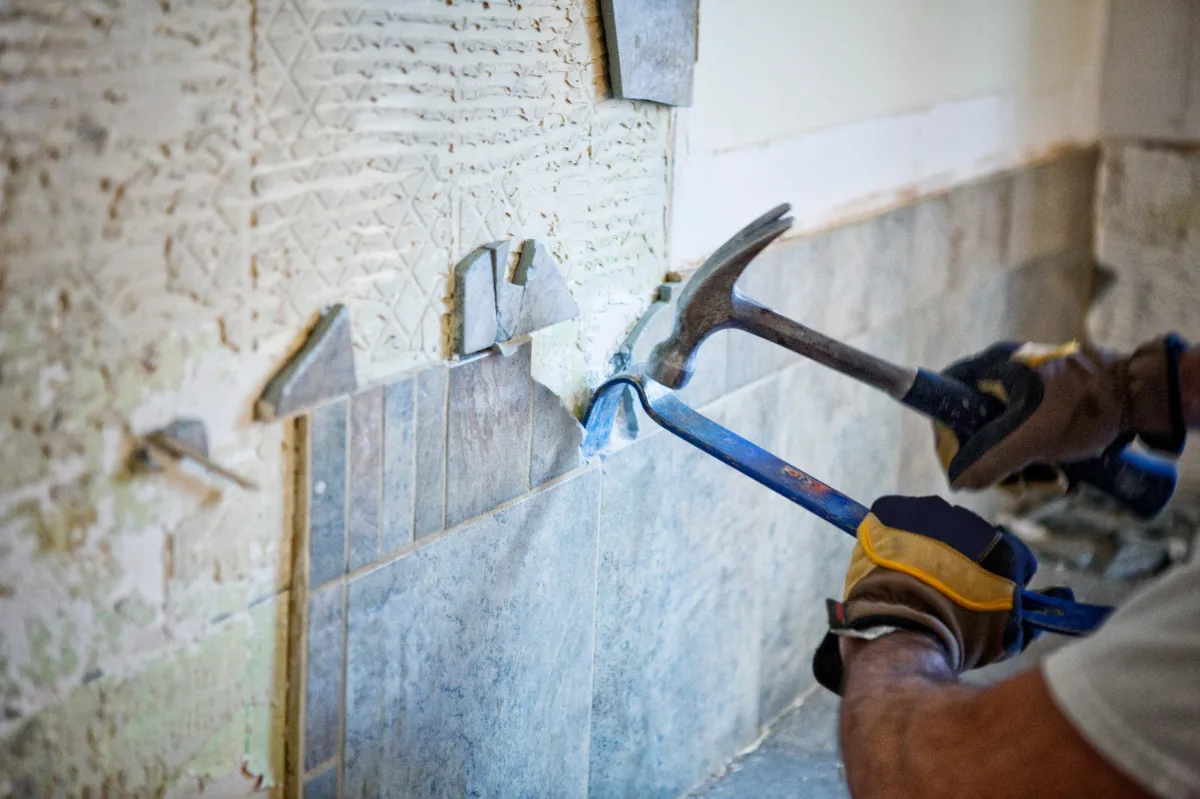
Each kitchen remodel in Franklin and Brentwood produces a period where the home looks more like a construction site than a home. Dust on surfaces that were clean this morning. Materials stacked in hallways. The sound of tools in spaces that used to be quiet. The household's job during this period is to understand what it is looking at.
The mess is progress. Each week of active construction is a week closer to the finished kitchen that prompted the project. The families who move through a remodel most smoothly are the ones who reframe the construction reality in those terms, actively and deliberately, rather than measuring the current state of the house against the state it was in before the project began.
This does not mean ignoring genuine problems. A contractor who leaves construction debris spread through the living areas at the end of the day has created a condition worth addressing. But construction dust on the dining room table on a day when drywall sanding was happening in the adjacent kitchen is a sign of an active project, not a sign of a contractor who is not doing their job.
10. Create a Genuine Sanctuary Away From the Work

A home remodel without a designated sanctuary is a home where there is no place to go when the cumulative weight of the project becomes too much. Each household member, children included, needs a room that is genuinely quiet, clean and separate from the project, where normal life can happen for part of each day.
Choose this room before the project starts and protect it. It is not available for material storage. The crew does not route through it. The noise of the construction zone does not carry into it effectively. It is the place where a parent reads to young children at bedtime, where an adult can sit in something resembling calm after the crew has left for the day, and where the household can remember what the house will feel like when the project is complete.
The sanctuary room is also where visitors should be received during the project. Maintaining some aspect of normal social life, inviting a friend for coffee, having a family dinner that feels like a dinner rather than a construction-zone meal, is meaningful for morale during a long project.
11. Plan Regular Time Away From the House

Living in an active construction zone each day is fatiguing in a way that is not immediately obvious until it is not happening. The background noise, the awareness of strangers in the house, the visual disorder of a project in progress, all of these create a low-grade psychological load that accumulates over weeks.
Planning time away from the house during a remodel is not an indulgence. It is a practical stress management decision that affects how effectively the household functions during the project and how well the homeowner relates to the contractor and the crew. A day trip with the family on a weekend gives everyone involved a reset. A weekend away during a particularly disruptive phase of the project, when the kitchen is fully demolished and the house is at its most chaotic, produces a level of restoration that a sanctuary room within the house cannot match.
Franklin, Brentwood and the surrounding Williamson County area offer no shortage of day-trip destinations within an hour's drive. Planning two or three of these during an 8-to-14-week kitchen remodel is worth scheduling before the project starts.
12. Communicate Openly and Consistently With Your Contractor

Open communication with the contractor is not simply a courtesy. It is the mechanism by which the project stays on schedule, within its planned investment and aligned with the homeowner's expectations and chosen interior design trends. When something is not right, when a finish is not what was specified or a phase is taking longer than planned, the conversation that resolves it must happen immediately rather than accumulating into a problem that is harder to address later.
"The communication standard we set from the beginning of each project is that the homeowner should never have to wonder what is happening," says Bryan Sebring, CGR. "If there is a discovery, a schedule change or a decision that needs to be made, we communicate it the day it happens. Not at the end of the week. The same day. That level of transparency is what allows families to live through a remodel without the anxiety that comes from feeling like they are not in control of what is happening in their own home."
Our tips for clear communication with a remodeling team cover this same standard from the homeowner's side. A contractor who communicates proactively, who tells the homeowner about a discovery before the homeowner notices it themselves, who confirms schedule changes before they affect the household's plans, is demonstrating the professional standard that a significant remodel investment deserves. If that standard is not being met, say so clearly and directly. A professional contractor will respond constructively.
13. Hold a Daily Check-In on Schedule and Progress
A brief daily conversation with the project manager or lead contractor, five to ten minutes at the beginning or end of each working day, is one of the most effective ways a homeowner can stay informed and in control during a remodel without needing to be present on the job site throughout the day.
The daily check-in covers what was completed that day, what is planned for tomorrow and whether there are any decisions or information the homeowner needs to provide. It is the opportunity to surface concerns before they become problems and to confirm that the schedule is holding. It is not a long meeting. It is a brief, structured exchange that keeps both parties informed and prevents the accumulation of unasked questions.
Most professional contractors in the Williamson County market now use a client portal or project management app that provides the homeowner with real-time visibility into the project schedule, open items and daily progress notes. Asking about this capability before signing a contract is worth the time.
One More: Review Your Homeowners Insurance Before the Project Starts
The week before your remodel begins is the time to review your homeowners insurance policy with your broker. Standard policies vary considerably in how they cover liability for injuries on the property during construction, damage caused by construction activity and changes to the home's replacement value as the project adds value to the structure.
For larger renovations that include demolition, structural changes or significant additions to the home's square footage, your broker may recommend adjustments to your coverage. Verifying that your contractor carries current general liability insurance and workers' compensation coverage before signing the contract is equally important. A reputable contractor will provide proof of both without hesitation.
Living Through It Is Part of the Project
The families who come through a Franklin or Brentwood remodel in the best condition are the ones who treated the living-through-it period as a phase of the project with its own plan, its own preparation and its own milestones. They set the schedule before demolition began. They established the budget contingency before the contractor started. They arranged the temporary kitchen before the existing one was demolished. They designated the sanctuary room before the noise started.
When those preparations are in place, the remodel is still disruptive. A home under construction is always disruptive. But it is disruptive in a way that was planned for rather than in a way that is constantly surprising. That difference determines whether the experience is one the household gets through, or one it looks back on as genuinely manageable.
Sebring Design Build works with Franklin and Brentwood homeowners to make the remodeling experience as clear, organized and stress-free as possible from the first conversation through the final walkthrough. Learn more about our home remodeling services in Franklin, TN, or explore our portfolio of finished projects. If you are planning a remodel and want to understand exactly what living through it will require before you commit, contact Sebring Design Build to schedule your complimentary consultation. We will answer each question honestly before any contract is signed.