

There is a particular kind of relief that comes with finally understanding a process. Not just knowing that your kitchen will be beautiful when it's finished, but understanding exactly what happens between today and that first quiet morning in your new space.
A kitchen remodel can feel like an enormous, undefined undertaking, which is precisely why the process matters as much as the finishes. When you know what each phase involves, the entire experience shifts from something to brace for into something you can genuinely look forward to.
Here is what the process actually looks like, from the first spark of an idea to the day you finally love the kitchen you come home to.
Step 1: Discovery, Understand How You Actually Live
Before any design work begins, the most important question is simple: how do you use your kitchen, and how do you wish you could use it? Do you need more storage? A layout that lets you cook while your kids do homework at an island? A pantry that finally has a place for everything?
At Sebring, the kitchen remodel timeline starts with a Discovery meeting at your home, where we walk through your space, listen to how your family actually lives and begin to understand the shape of what's possible. This is the foundation everything else is built on, and it is why design-build firms with designers on staff, rather than firms that treat design as an afterthought, tend to produce kitchens that genuinely fit the people living in them.
Step 2: Design, See Your Kitchen Before It Exists
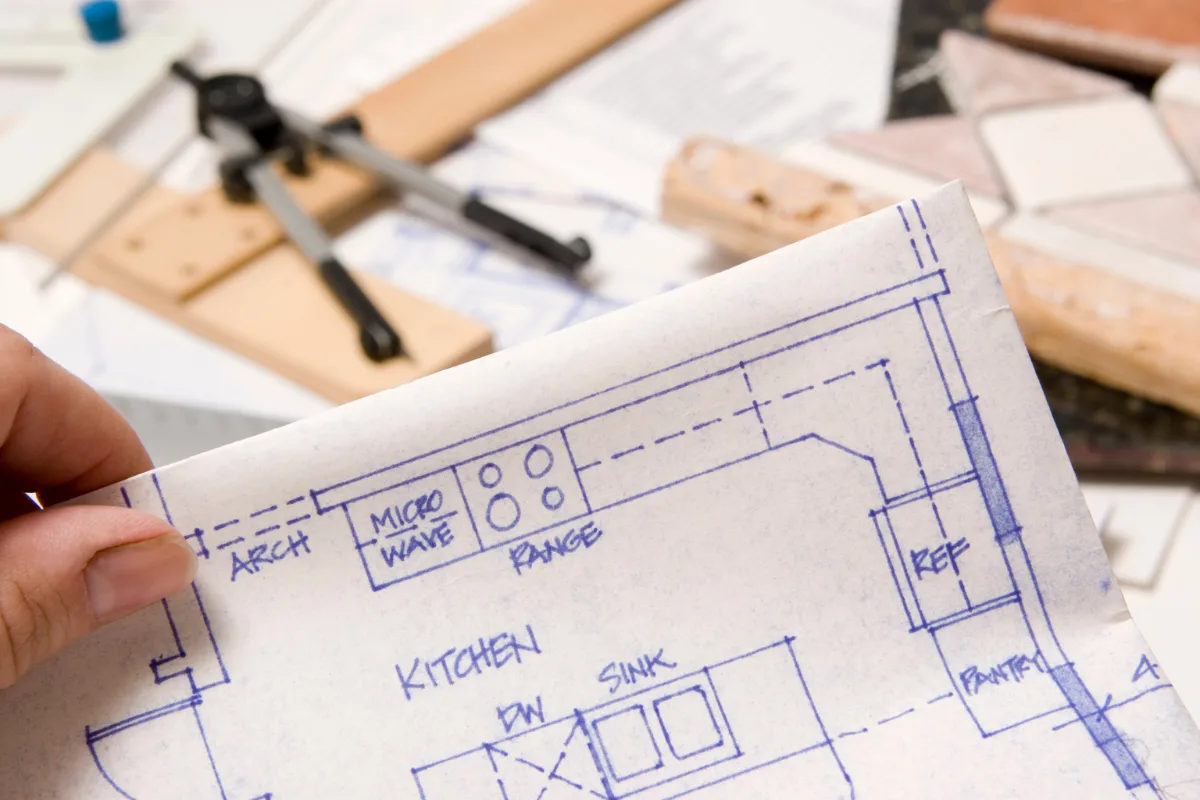
Once we understand your goals, our designers develop a concept and translate it into full-color 3D renderings, so you can see your kitchen before a single material is ordered. This is where cabinet styles, layout options, and material direction take shape.
This is also where your design gets reconciled against your real budget, not after you've fallen in love with a design that costs more than you planned, but before. That single sequencing decision is one of the clearest advantages of a design-build process: there is no gap between your designer's vision and what your kitchen remodel budget can actually support.
Step 3: Selections, Choose Each Material, Once

With your design finalized, it's time to select the specifics: cabinetry finish, countertop material, backsplash tile, plumbing fixtures, lighting, hardware. This is where a kitchen becomes distinctly yours, Calacatta marble or honed quartzite, unlacquered brass or polished nickel hardware, a custom plaster hood or a clean paneled front.
Each selection made here is ordered before construction begins. This is not a small detail, it is one of the biggest reasons the schedule stays predictable. When materials are already on-site, your build isn't waiting on a backordered fixture or a countertop that hasn't been fabricated yet.
Step 4: Preparation, Set the Stage
In the days before construction begins, your kitchen is cleared and prepared. Pantry items relocated, cabinets emptied, adjacent rooms protected from dust and foot traffic. Our team walks you through exactly what to expect and helps you plan for the weeks ahead, including where to set up a temporary cooking and storage space.
This is a small, practical phase, but a well-managed one sets the tone for a calm, organized build.
Step 5: Construction, Watch the Space Take Shape
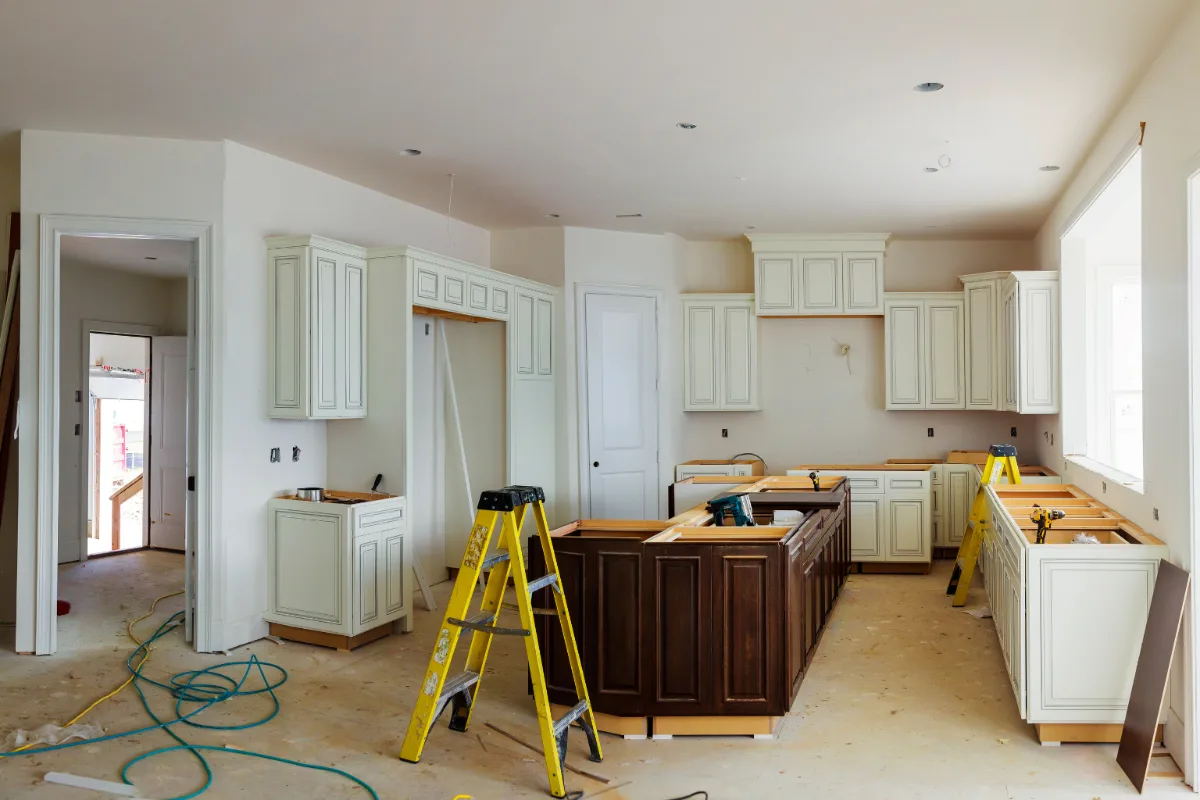
This is the phase most homeowners picture when they think of a remodel, and it moves through a clear sequence: demolition, mechanical rough-in, drywall, flooring, cabinetry, countertops and finish work. A full kitchen remodel typically takes 8 to 14 weeks of construction, and our guide to how long a kitchen remodel takes breaks down what happens week by week.
No project unfolds with zero surprises, older Williamson County homes occasionally reveal aging wiring or plumbing once walls open. What matters is how those moments are handled. Our team communicates immediately, walks you through what was found and keeps the schedule and budget as close to plan as the situation allows. Our online project management system means you know where things stand, no guessing, no waiting for a returned phone call.
Step 6: Inspections, Confirmed Safe, Confirmed Right
Williamson County requires inspections at key milestones, typically once mechanical rough-in is complete and again at project completion. We manage each permit and each inspection on your behalf, scheduling them at the right point in the build so they do not become a bottleneck.
This phase exists for your protection, and we treat it that way: as a confirmation that the work meets code, not a formality to rush past.
Step 7: The Walkthrough, Love the Kitchen You Come Home To
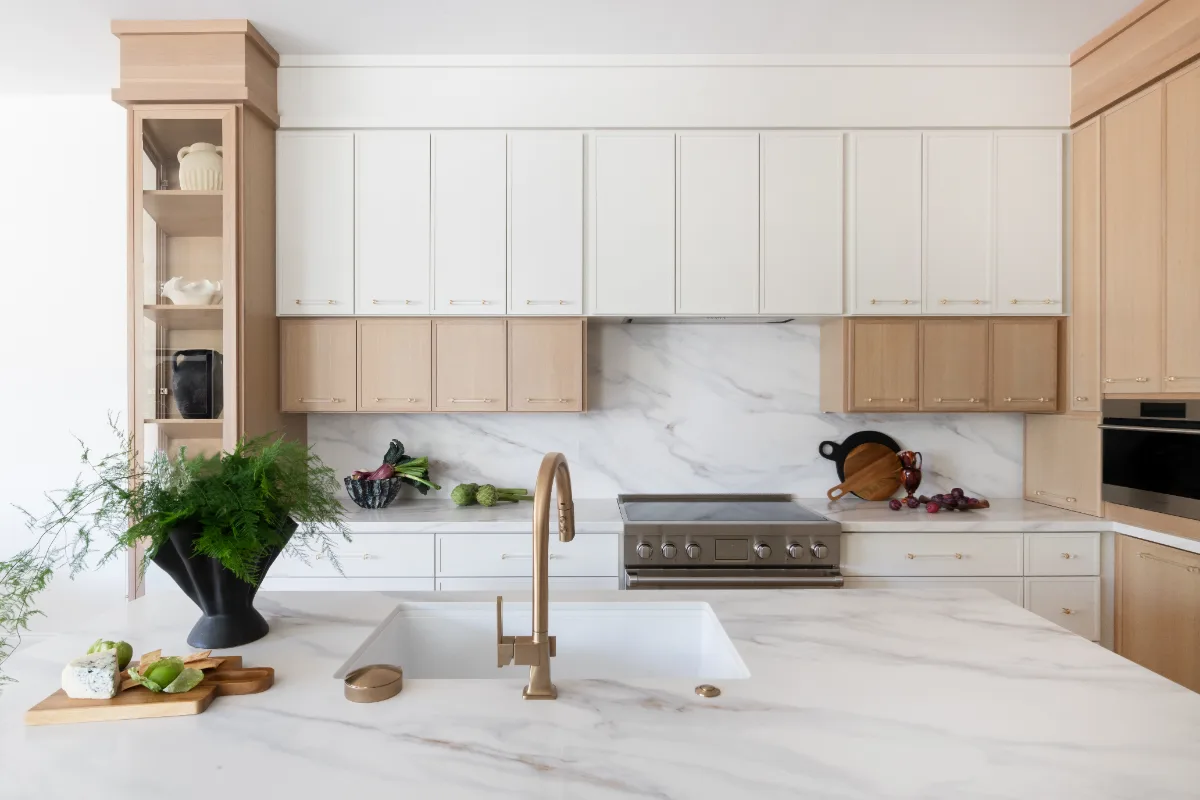
Once construction is complete, we walk the finished kitchen with you in detail. Each drawer, each seam, each finish from the latest kitchen design trends. Anything that doesn't meet our standard is addressed before we consider the project done. This is also where our 5-year workmanship warranty begins, because our commitment to your home doesn't end when the crew leaves.
This is the moment the entire process has been building toward: the first time you see your finished kitchen not as a rendering, but as the space you'll live in for years to come.
Your Kitchen Remodel Checklist
Use this checklist to plan your kitchen remodel before your first design meeting and keep it on track through completion:
- Gather inspiration and note what you love and what frustrates you about your current kitchen.
- Define your must-haves: layout, storage, island seating, appliances and how you cook and gather.
- Set a realistic investment range and confirm financing before design begins.
- Plan a 15 to 20 percent contingency for conditions found once walls are opened.
- Finalize each selection, from cabinetry and countertops to fixtures, lighting and hardware, before construction starts.
- Confirm permits, the schedule and who your day-to-day contact will be.
- Set up a temporary kitchen and plan for meals during 8 to 14 weeks of construction.
- Walk the finished kitchen in detail and get your warranty terms in writing.
It's time that you love your home. A clear process is what makes that possible.
See our full design-build process, learn more about our kitchen remodeling services in Franklin, TN, or explore our kitchen remodel portfolio for real examples.
Schedule your complimentary consultation. We serve Franklin, Brentwood, Leiper's Fork, College Grove, Thompson's Station and all of Williamson County. Let's talk about your kitchen and walk through what this process looks like for your home.