
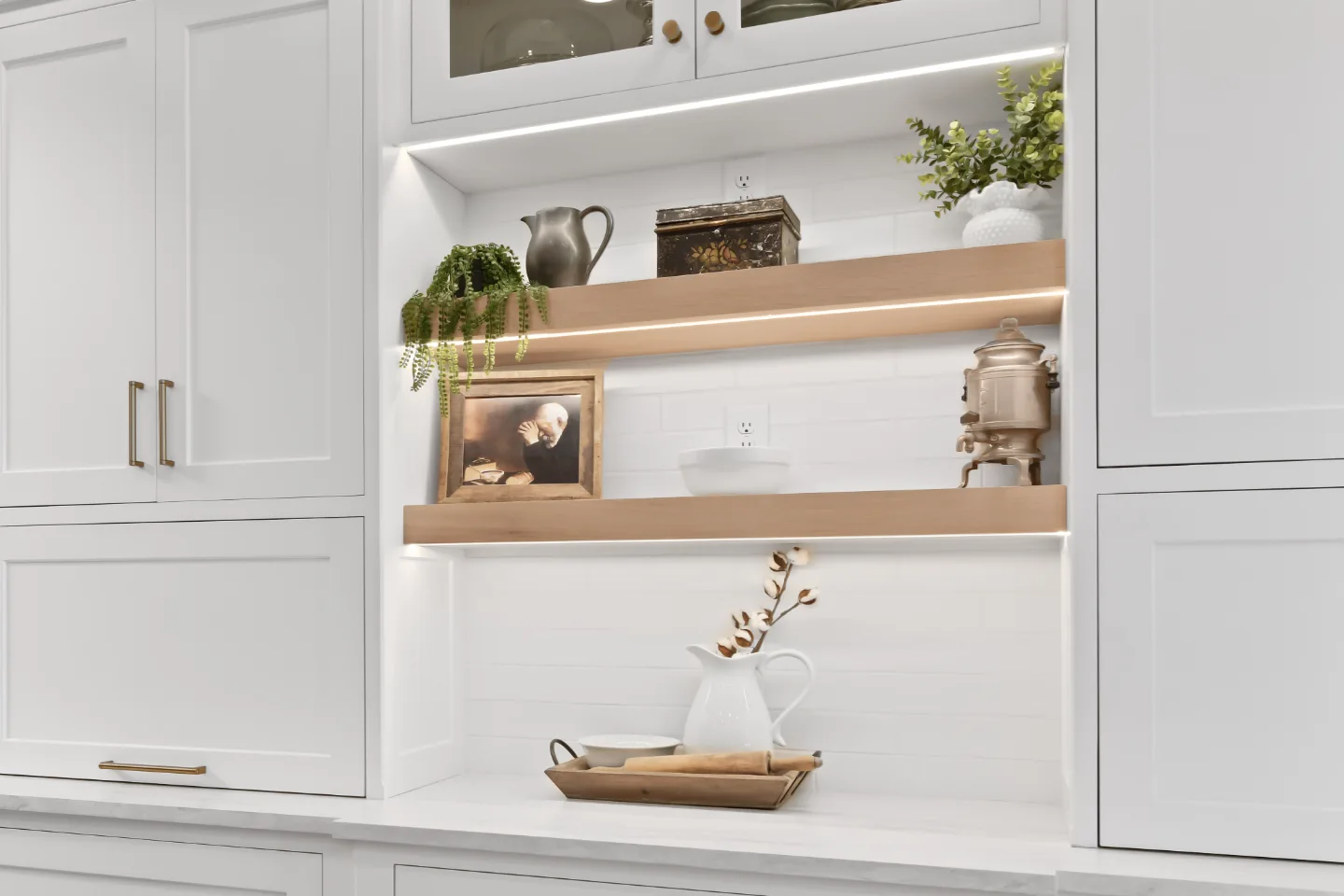
Picture the kitchen that makes your mornings easier, your dinner parties feel effortless and your home feel like it was finally designed for the way your family actually lives. Custom cabinetry that holds everything. Quartzite countertops that are as functional as they are beautiful. A layout that stops making you work around it.
That kitchen is entirely achievable. And the path to it starts not with tile samples or cabinet doors, it starts with a clear, honest budget.
Budgeting a kitchen remodel feels intimidating because the numbers are real and the variables are many. But the homeowners who arrive at their finished kitchens feeling calm and satisfied are not the ones who spent the least, they are the ones who planned the most carefully. This guide gives you the framework to do exactly that, before you ever pick up the phone.
1. Know What You Want Before You Call Anyone
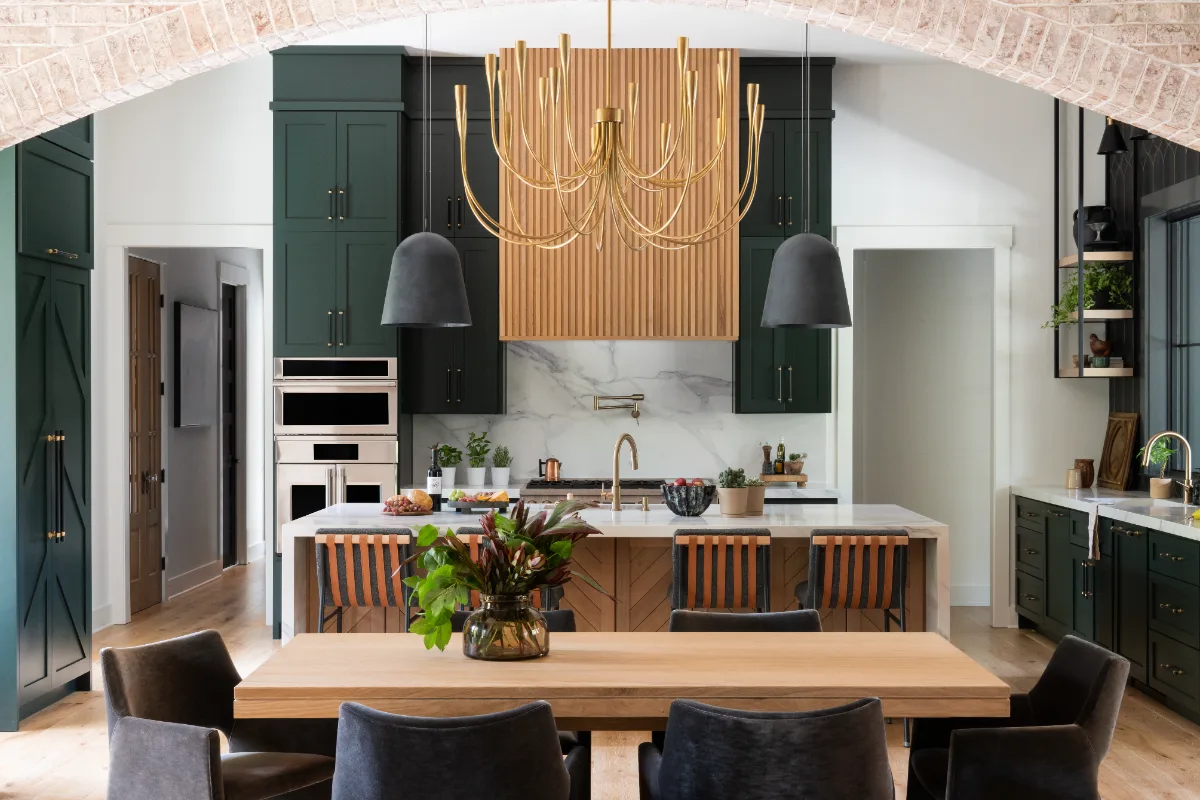
One of the most effective things you can do before a design consultation is spend time gathering inspiration. Houzz, Pinterest, our Sebring portfolio, and luxury kitchen publications all give you a vocabulary for what you love, and more importantly, what you don't. When you can walk into a meeting and say warm tones, unlacquered brass, painted inset cabinetry, and a statement range hood, the design process becomes faster and your budget becomes more accurate immediately.
Homeowners who arrive with a clear sense of direction spend less time in revision cycles, which protects both the kitchen remodel timeline and the investment.
2. Set a Realistic Investment Range, and Understand What It Buys
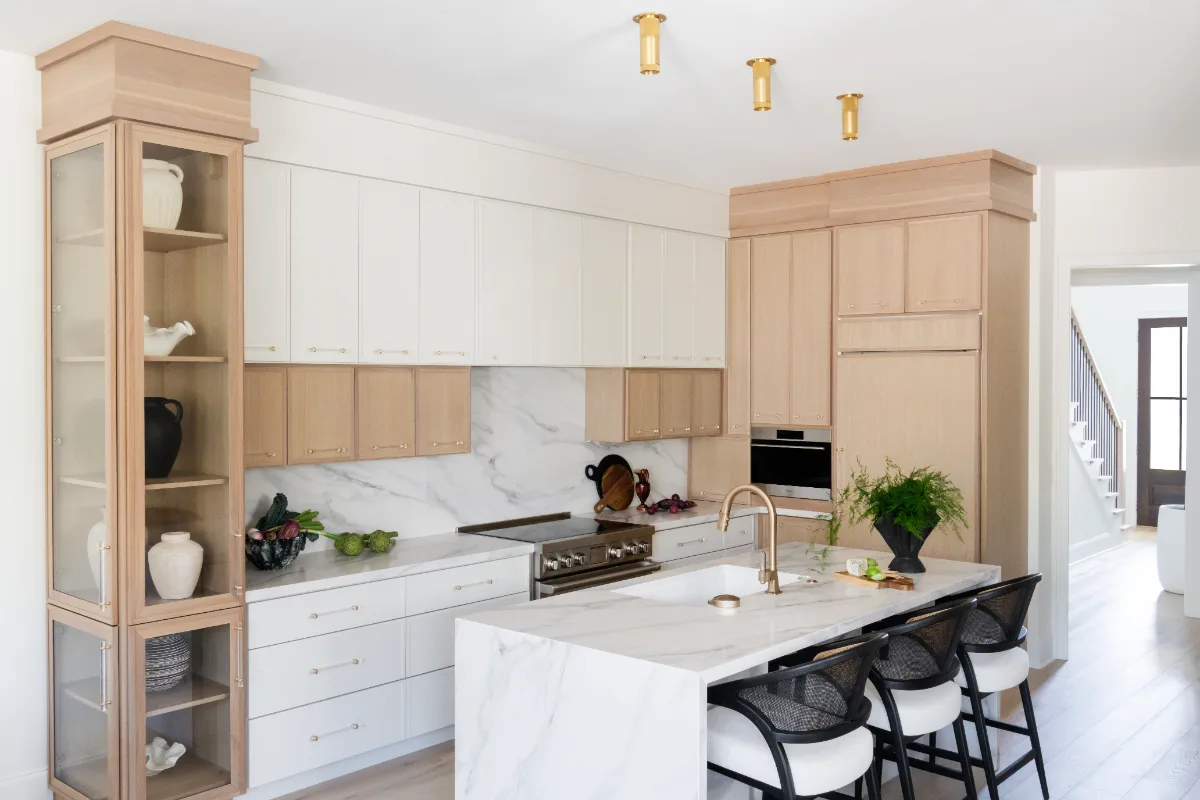
In Williamson County, a well-designed kitchen remodel represents a significant investment, one that scales with the size of your kitchen, the scope of work, the materials you select and whether structural changes are part of the plan. A straightforward refresh of an existing layout with quality materials will sit toward the lower end of that range. A full reconfiguration with custom cabinetry, natural stone countertop design idea, and premium appliances will sit toward the higher end.
For current investment ranges in Franklin and Brentwood, see our guide to kitchen remodel costs. This article focuses on how to plan and protect that budget once you know your range.
We share this openly because an honest conversation about investment is the foundation of a project that doesn't disappoint. The goal is never to spend as much as possible, it's to make decisions that reflect your priorities and serve your home for the next twenty years. At your consultation, we'll walk through your specific goals and give you a clear, personalized sense of what your project involves.
Two things matter when you're setting your range: how long you plan to stay in the home, and the character of your neighborhood. A beautifully remodeled kitchen in Franklin, Brentwood or Leiper's Fork holds and builds value. A kitchen that significantly outpaces the rest of the home or the neighborhood may not return its full investment at resale. Your designer can help you think through this with clarity.
3. Plan Your Financing Before the Design Process Begins
Knowing where your investment is coming from before you start is just as important as knowing how much it will be. The most common financing options for Williamson County homeowners include home equity loans, home equity lines of credit and cash-out refinancing. Each carries different terms, tax implications and draw schedules and the timing of fund availability matters, because deposits are required and materials need to be ordered on a specific schedule.
Work with your financial advisor or lender before your first design consultation. Arriving with a clear, confirmed range gives you and your design team the freedom to create without guessing.
4. Build a 15 to 20 Percent Contingency Into Each Budget
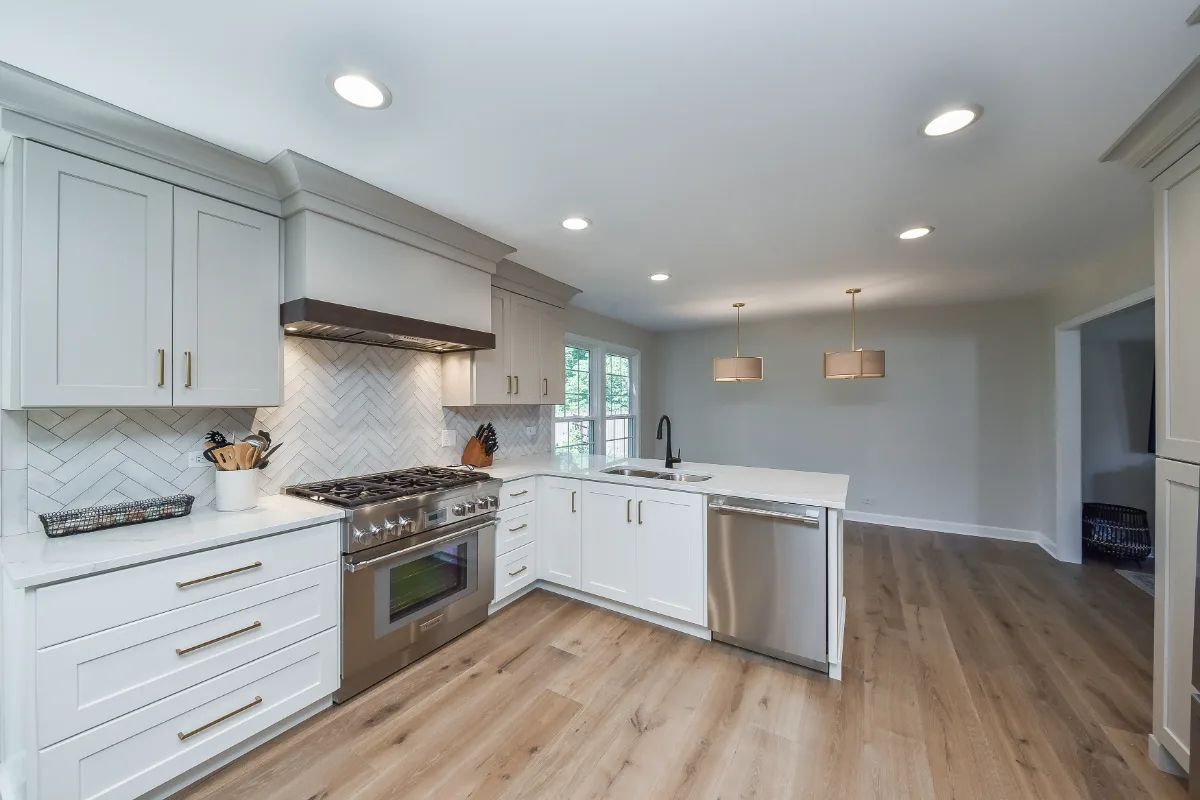
Any experienced remodeler will tell you this, and it's worth repeating: plan for the unexpected. Williamson County homes, particularly those built in the 1990s and early 2000s in neighborhoods like McGavock Farms, Bonbrook and older areas near downtown Franklin, can reveal aging electrical panels, outdated plumbing supply lines or subflooring issues once walls and cabinets come out.
These discoveries are not failures. They are the realities of older construction, and addressing them properly protects your home for decades to come. A 15 to 20 percent contingency built into your planning means these moments feel manageable rather than catastrophic.
At Sebring, we communicate immediately and transparently when something unexpected surfaces, walking you through exactly what was found, why it matters and what addressing it will cost, before any additional work begins.
5. Prioritize Before You Finalize Selections
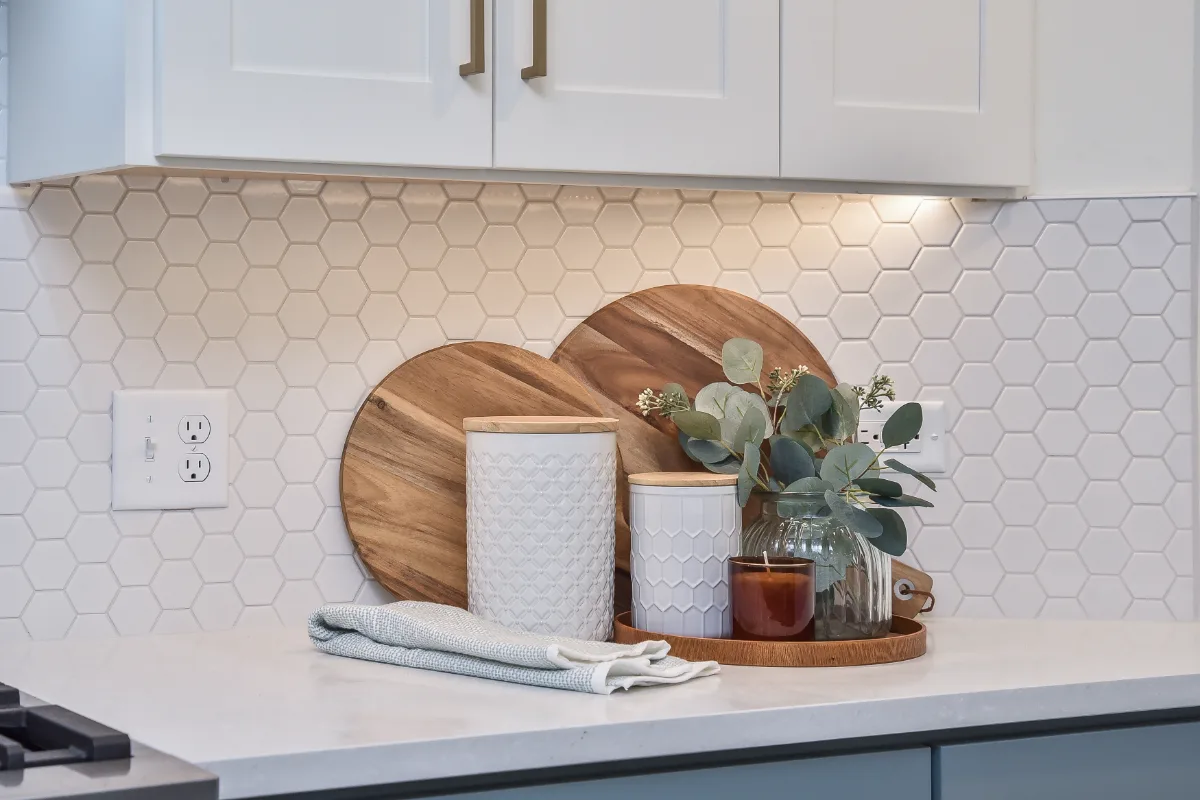
Each kitchen remodel has a hierarchy of importance, and identifying yours early is one of the most valuable things you can do for your budget. If the cabinetry has frustrated you for twenty years, that is where the investment belongs. If the appliances are failing, put them at the top of the list. If the layout has never worked for the way your family cooks and gathers, a reconfiguration may be the most meaningful change you can make.
When priorities are clear, the decisions that follow become easier. The decorative molding, the interior cabinet lighting, the statement hardware, these are wonderful details, but they belong at the end of the list, added once the essential elements are right. Knowing what you're willing to be flexible on gives you room to hold firm on what matters most.
6. Have a Plan A and a Plan B for Key Selections
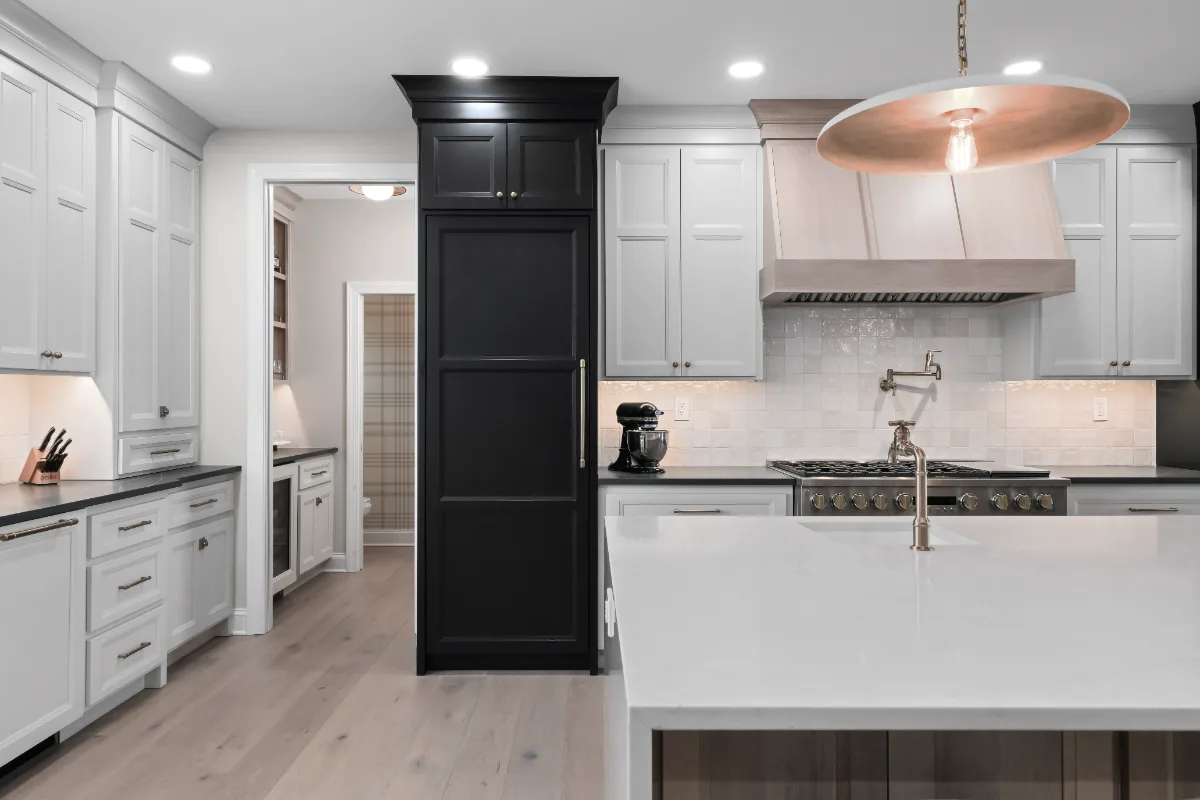
For each major selection, cabinetry, countertops, flooring, appliances, it helps to identify two options you love: a first choice and a considered alternative. This is not about settling. It's about giving yourself a graceful path forward if a material is unavailable, has extended lead times or stretches the budget further than makes sense.
Your Sebring designer will help you identify where material investments have the highest visual and functional return, and where a thoughtful alternative achieves nearly the same result for a meaningfully different investment. This kind of guidance is one of the clearest advantages of working with designers who are also thinking about your budget.
7. Track Each Decision in Writing
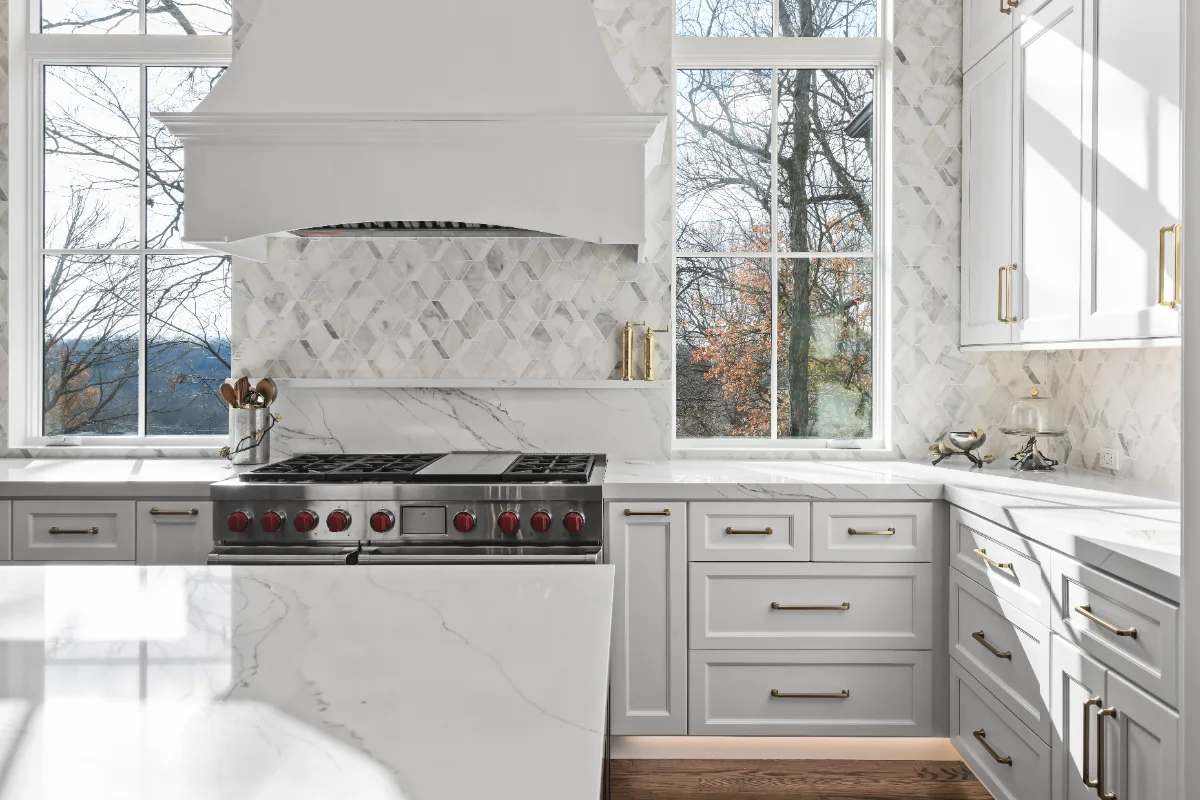
A shared document or spreadsheet tracking each selection, cost and approval creates clarity for everyone involved. It shows you exactly where the budget stands at any point in the process, surfaces any decisions that are creeping beyond their allocated range, and gives you a record of each commitment made. For a project of this scope, the discipline of tracking in real time is what keeps a budget from drifting.
Our project management system keeps clients informed throughout the build, each schedule update, each change and each decision documented in one place. You should never have to wonder where your project stands.
8. Budget for Living During the Remodel
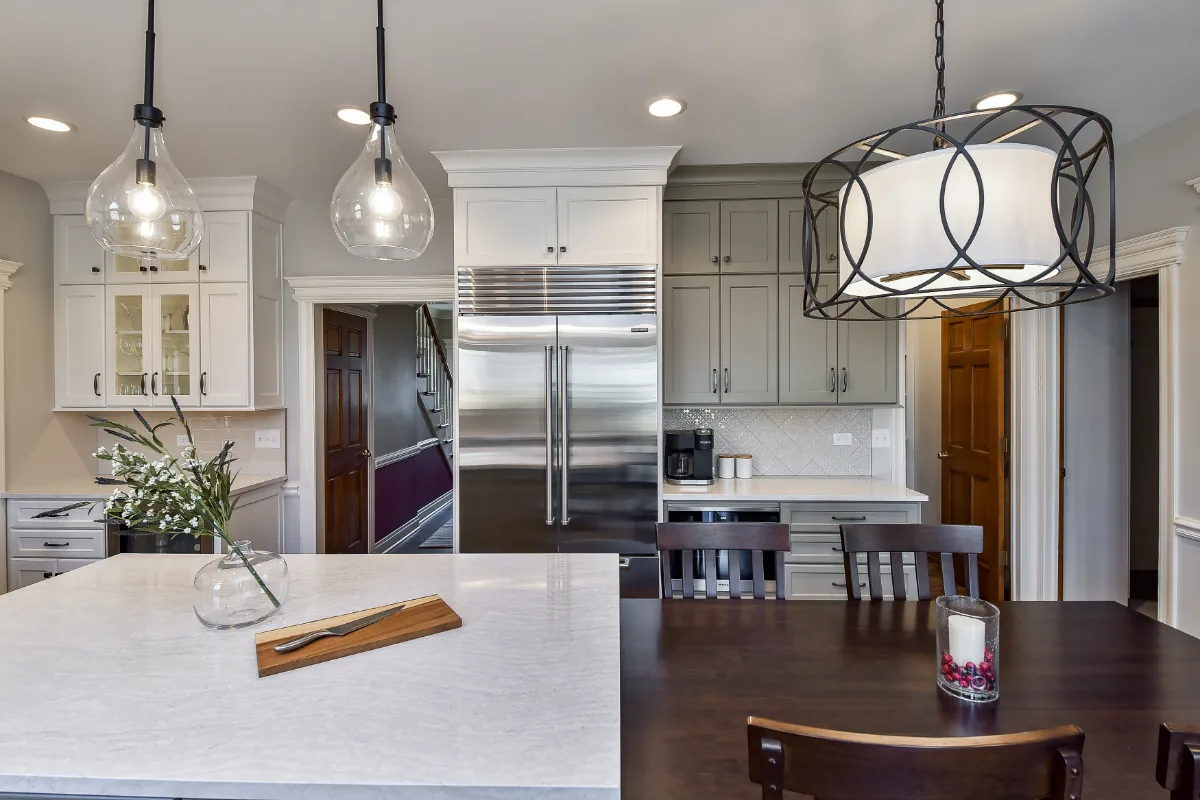
A kitchen remodel of 8 to 14 weeks of construction means as many weeks without a fully functioning kitchen. This is entirely manageable with the right planning, a microwave station in the dining room, a spare refrigerator in the garage, a crock pot that earns its keep, but it also means more meals out than usual. Franklin has no shortage of wonderful options, and this is genuinely one of the more enjoyable parts of the process for many families. Just plan for the cost honestly when you set your total investment range.
Storage is the other consideration. Everything currently in your cabinets needs a home during the remodel. Labeled bins, a rented storage pod or a cleared-out garage corner all work. Planning for this before demolition day makes the whole project feel more organized from the start.
9. Resist Changes Once Construction Begins
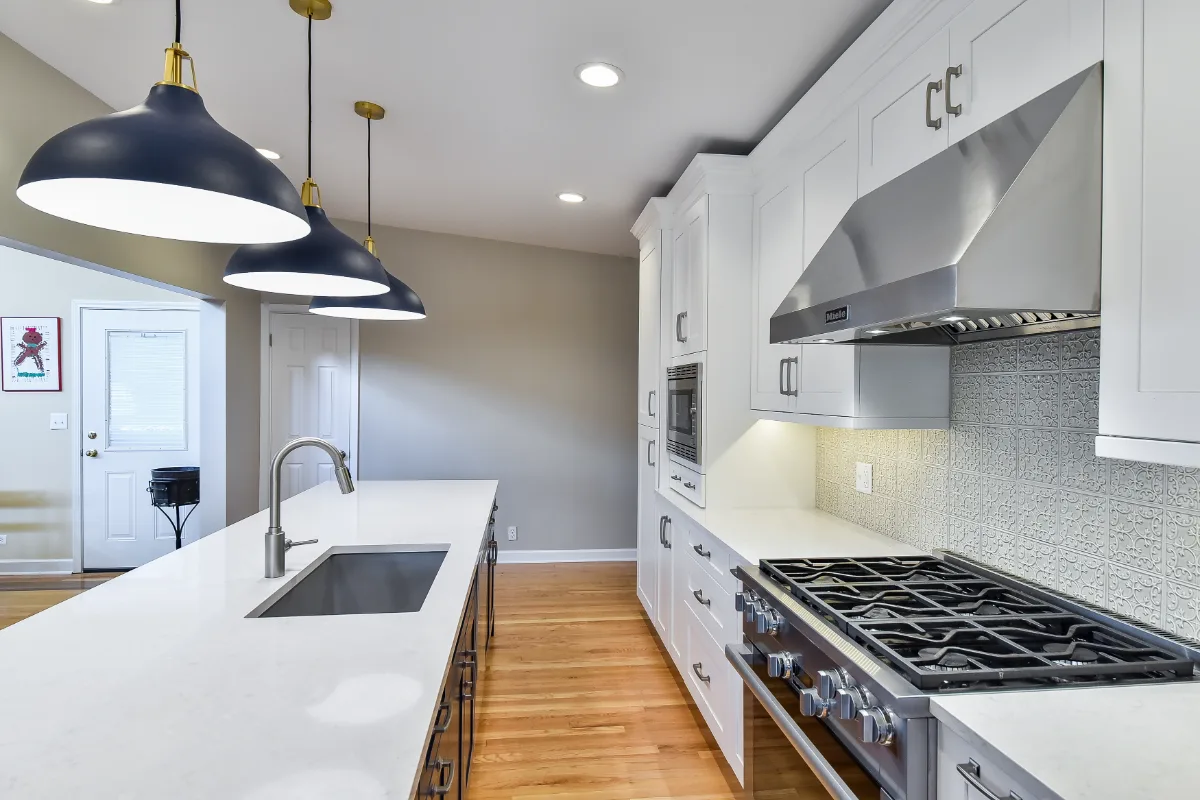
The cleanest, calmest kitchen remodels are the ones where selections are finalized before the first day of demolition, and then honored despite new kitchen design trends. Changes made during construction cost more than the same decision made during the design phase, because materials may already be ordered, work may need to be undone and the schedule shifts to accommodate the revision.
This is one of the most important reasons the Sebring design process is front-loaded: we take the time during the design phase to get each decision right, so that construction can proceed without interruption. When you arrive at the build having already lived with the design in 3D renderings, chosen each finish and confirmed each detail, the urge to change course mid-build is rare, because the decisions were made well.
It's time that you love your home. A kitchen that is thoughtfully designed, carefully budgeted and beautifully built is one of the most rewarding investments a Franklin homeowner can make. We are here to help you make it with confidence.
Explore our kitchen remodel portfolio or learn more about our kitchen remodeling services in Franklin, TN.
Schedule your complimentary consultation. Our team serves Franklin, Brentwood, Leiper's Fork, College Grove, Thompson's Station and all of Williamson County. In your first conversation, we'll talk through your vision, your investment range and what a realistic scope looks like for your home, with no pressure and complete transparency.