Each homeowner starts a remodel with the same hope: a beautiful space, a manageable process and a result worth every bit of the investment. Most get there. The ones who don't usually made one of a handful of avoidable missteps early on, long before the first hammer swung.
None of these mistakes are about carelessness. They're about not knowing what you don't know yet, which is exactly what a good design-build partner exists to help you navigate. Here are the six that come up most often, and how to avoid each one.
1. Assuming You Can DIY More Than You Actually Can
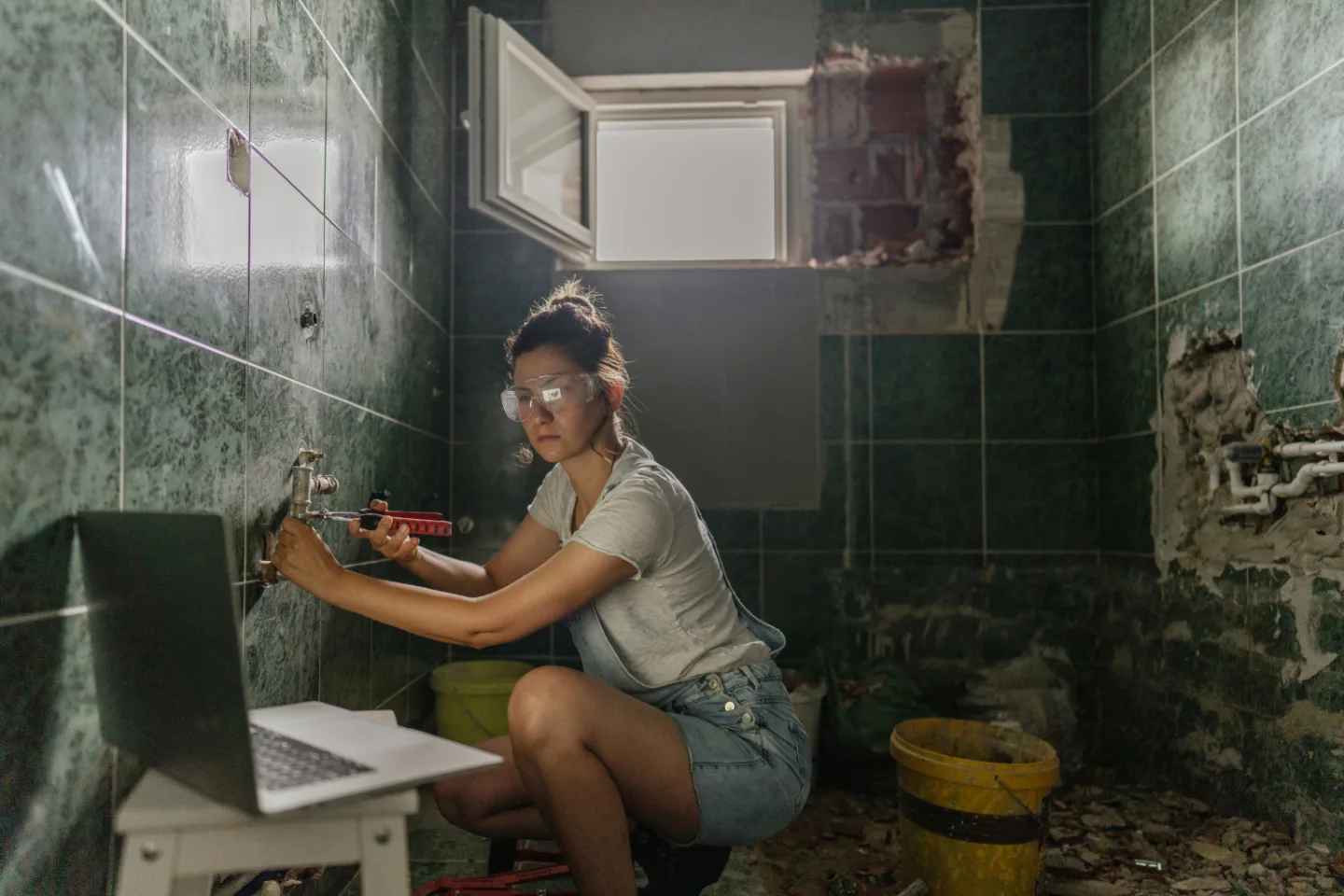
It's a natural instinct. You've replaced a light fixture or patched a wall, and it's tempting to believe the rest of a remodel follows the same logic. But a kitchen or bathroom remodel touches plumbing, electrical, structural framing and finish carpentry, often all at once and each of those trades carries its own code requirements, tools and margin for costly error.
The homeowners who avoid this mistake aren't the ones who do everything themselves or nothing at all. They're the ones who know precisely where their own capability ends and a professional's begins, and who bring in that expertise before a small misstep becomes an expensive one. Our guide to when to DIY and when to call a professional covers this same line in more depth.
2. Starting Without a Clear Vision
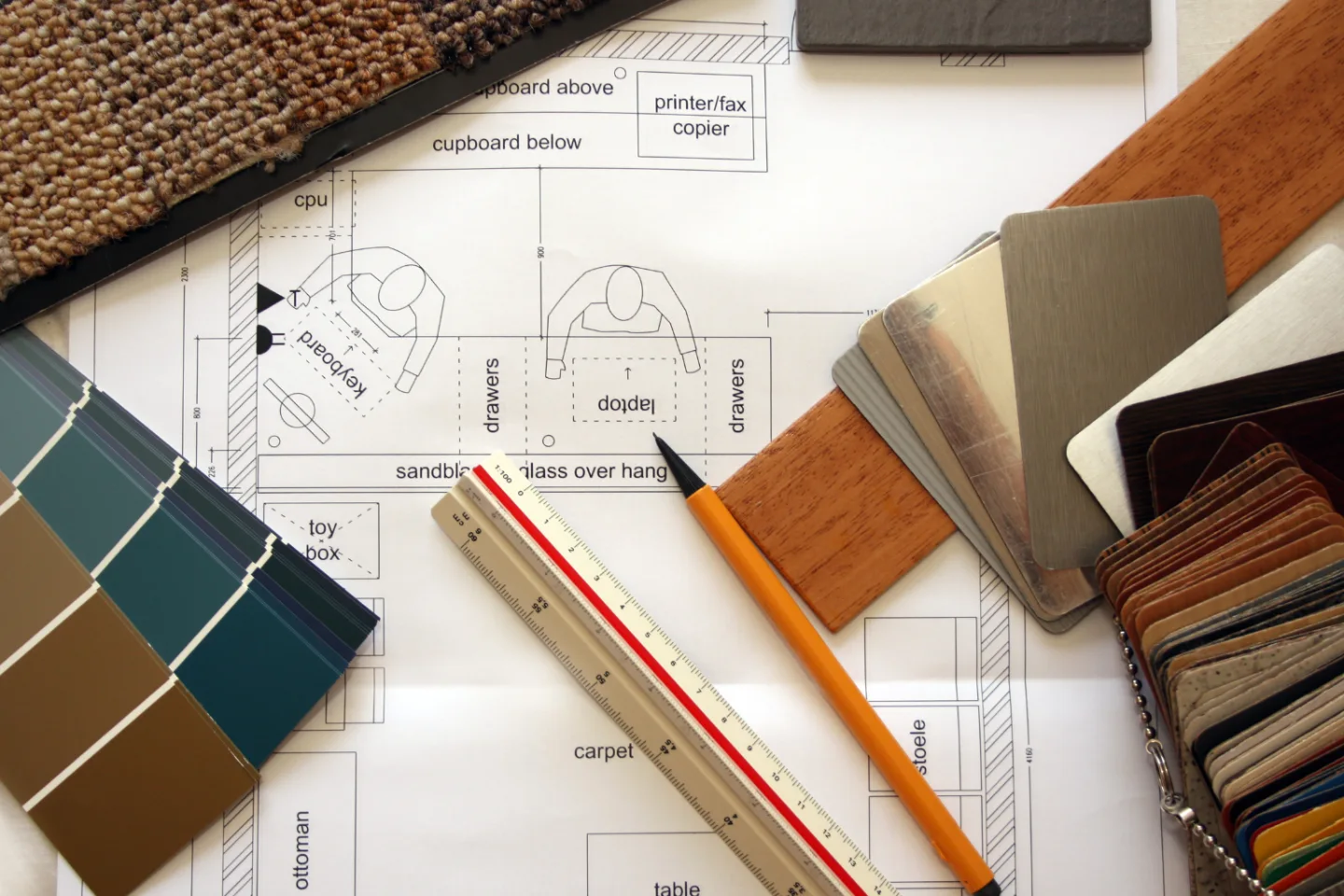
A remodel without a clear direction doesn't just take longer, it costs more. Each change made mid-project, each decision revisited after materials are ordered, adds time and expense that a clear plan would have avoided entirely.
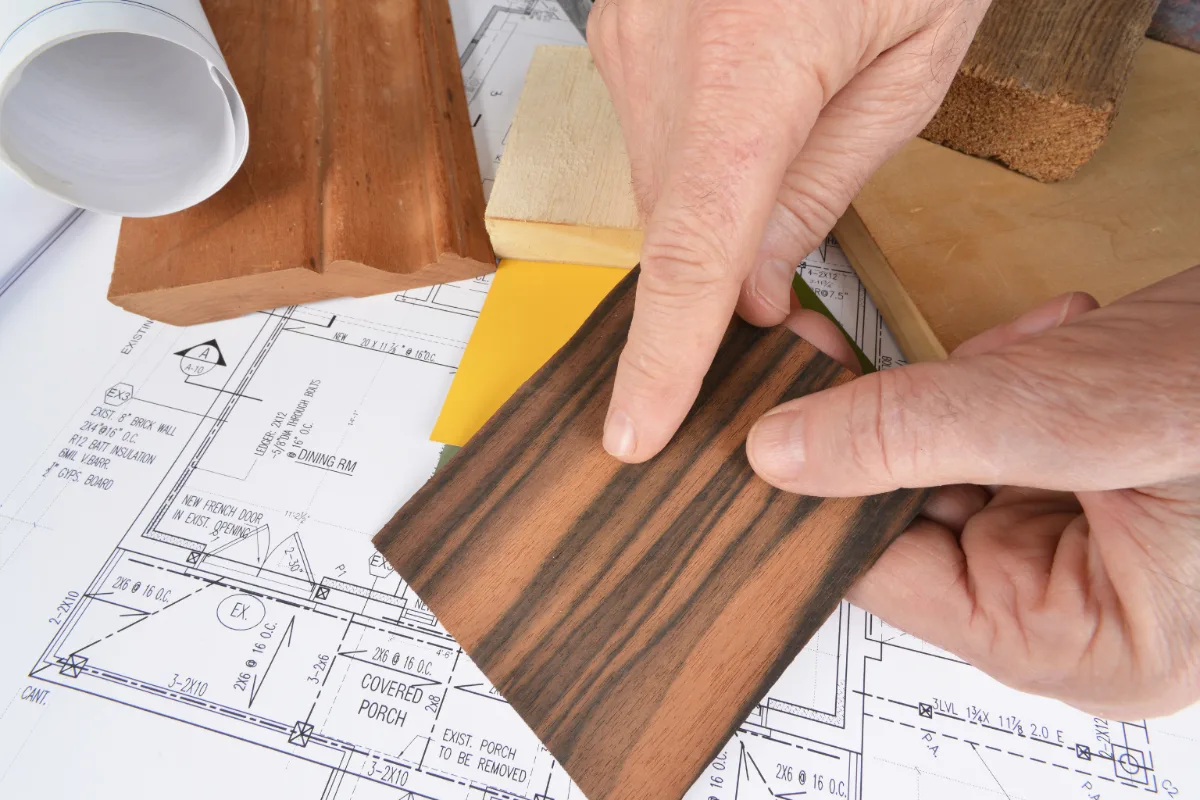
This is exactly why the design phase of the design-build process exists before construction ever begins. At Sebring, we take the time upfront to develop a complete design, confirmed material selections and 3D renderings you can actually see, so that by the time crews arrive, there is little left to decide. The clarity that feels slow at the start is what keeps the entire project fast once it's underway.
3. Underestimating the Real Investment
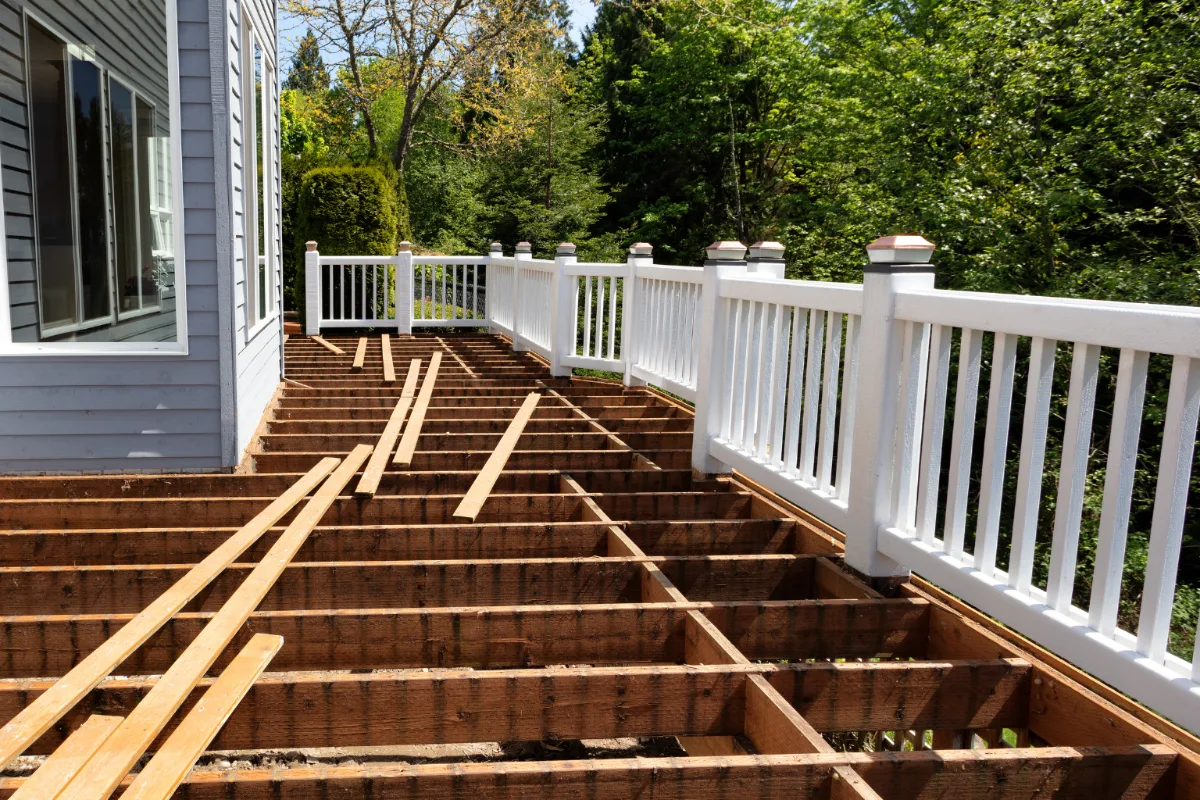
Each remodel budget should account for more than materials and labor. Permits, design fees and a genuine contingency for the unexpected all belong in the plan from day one. Homeowners who research only the finishes they want, without researching what a realistic project actually involves, often find their vision and their budget were never aligned to begin with.
The fix isn't to spend less time dreaming. It's to have an honest budget conversation early, before you fall in love with a plan your investment range can't support. A qualified designer will tell you clearly what's realistic within your range, and help you prioritize accordingly. A pre-design checklist is a good way to set that budget before you commit to a plan.
4. Ignoring What the House Is Already Telling You
Older homes carry history, and sometimes that history includes aging wiring, outdated plumbing or a foundation that has settled over the decades. These signs are often visible before construction ever begins, gaps between molding and wall, drafts around older windows, water stains that hint at a slow leak, if you know to look for them.
Addressing what a home is already signaling, before design work locks in a plan, prevents the kind of mid-project discovery that derails a timeline. This is one of the most valuable parts of a thorough Discovery process: identifying what a home needs before committing to what it will become.
5. Treating Permits as Optional
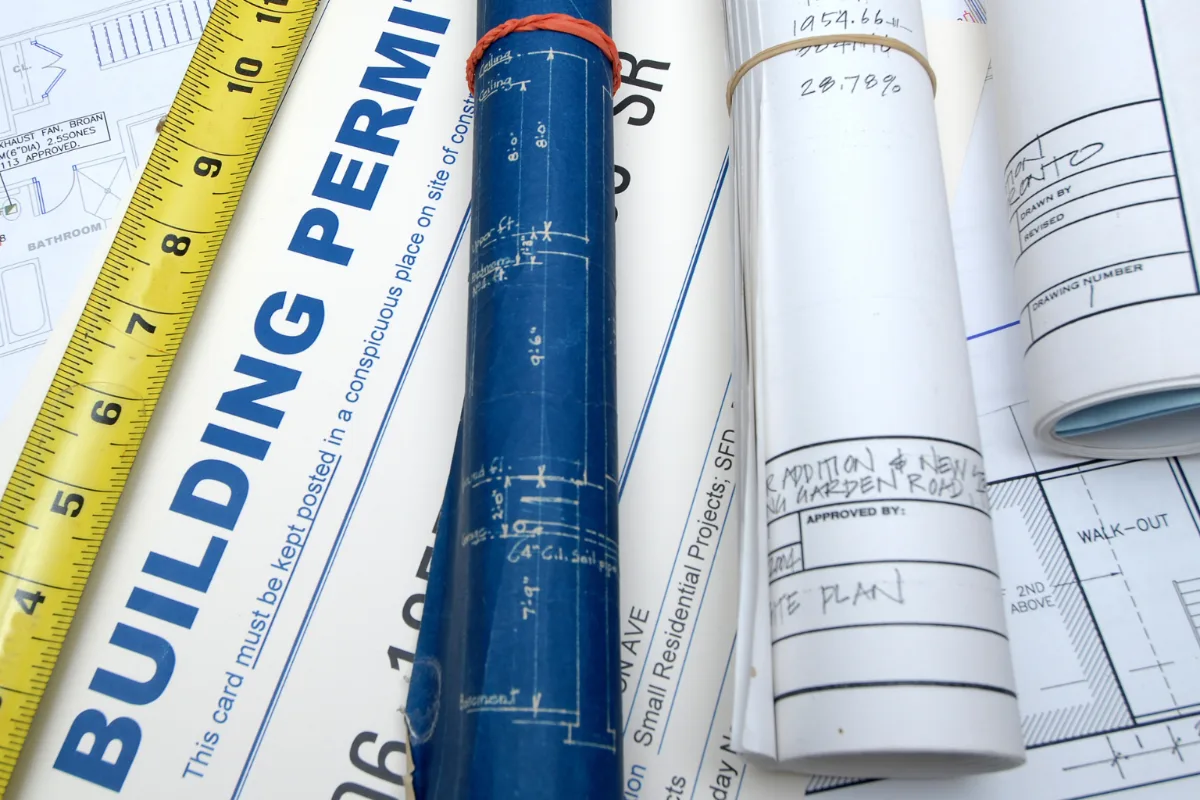
It's a common and costly assumption: this project is too small to need a permit. In reality, most kitchen and bathroom remodels involving plumbing, electrical or structural changes require one in Williamson County, and skipping that step can delay a project, complicate an insurance claim or create a real problem when it's time to sell the home.
Our guide to building permits in Franklin covers this in more depth. The homeowners who never make this mistake are the ones working with a team that handles permitting as a standard part of the process, not an afterthought. At Sebring, each required permit is pulled and each inspection is scheduled on your behalf, so it is not a decision you have to make.
6. Choosing a Contractor by Price Alone
The lowest bid rarely reflects the same scope, materials or level of service as a more considered estimate. Homeowners who choose based on price alone often end up paying for the difference later, in change orders, in delays or in work that has to be redone.
Our guide to choosing the right remodeling contractor covers a more complete framework for this decision. A better filter: ask how a firm handles warranty, communication and permitting and pay attention to whether they can explain their pricing clearly. A contractor who welcomes that conversation is showing you exactly the kind of transparency that defines a good working relationship for the months ahead.
Why a Design-Build Approach Prevents Most of These Mistakes Before They Happen
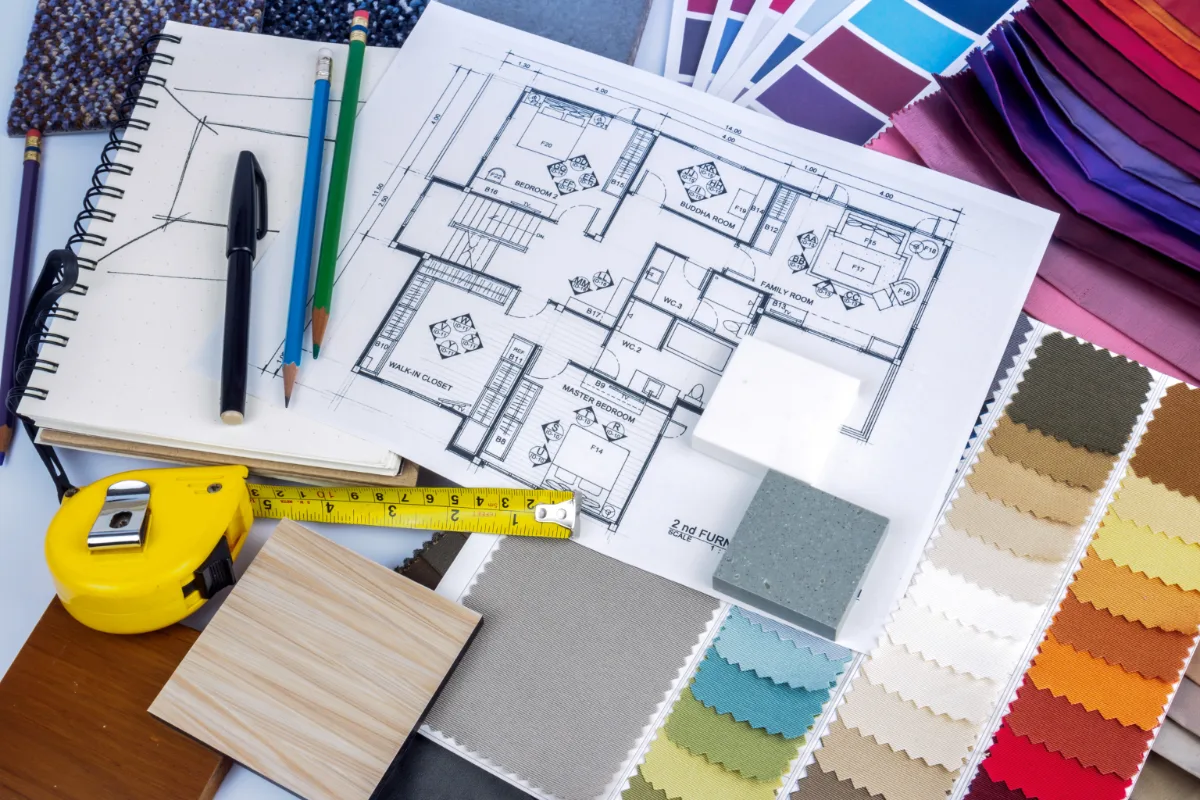
Nearly every mistake on this list traces back to the same root cause: a gap between vision, budget and execution. A design-build approach closes that gap by design. One team develops your vision, confirms it against your real budget and builds what was planned, with no handoff where things get lost and far fewer surprises waiting on the other side of a wall.
It's time that you love your home. Avoiding these six mistakes is a meaningful part of how you get there.
Learn more about our design-build approach or explore our portfolio of finished projects.
Schedule your complimentary consultation. We serve Franklin, Brentwood, Leiper's Fork, College Grove, Thompson's Station and all of Williamson County. Let's talk through your project before a single decision is made.